





Pineapple and pear are both delicious and healthy, but how do they stack up against each other? We're breaking down the nutritional showdown between these popular fruits, and exploring the crucial differences between eating them whole versus juicing.
The Tropical Contender: Pineapple's Profile
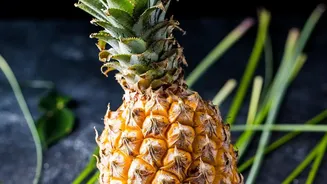
Pineapple is a powerhouse of Vitamin C, a crucial antioxidant that supports your immune system and skin health. A single serving can provide a significant portion of your daily needs. It's also an excellent source of manganese, a mineral vital for bone health and metabolism. But pineapple's most famous component is bromelain, a complex of protein-digesting enzymes. Research suggests bromelain has anti-inflammatory properties that may help reduce swelling, support digestion, and even ease symptoms of sinusitis. While present in the fruit, this enzyme is most concentrated in the stem and core.
The Temperate Staple: Pear's Power
Pears shine in a different but equally important area: dietary fiber. A medium-sized pear contains about 6 grams of fiber, which is more than you'd find in a comparable serving of pineapple. This fiber, particularly a type called pectin, is fantastic for digestive health. It helps maintain bowel regularity, feeds beneficial gut bacteria, and can aid in making you feel full longer. Pears are also a good source of copper and potassium, minerals that support nerve function and heart health. Plus, they provide antioxidants like flavonoids, especially in the skin, which is why it's best to eat them unpeeled.
Head-to-Head: The Nutritional Showdown
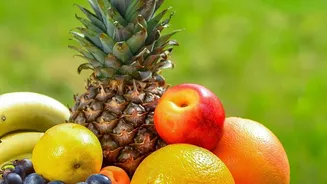
When placed side-by-side, the choice depends on your goals. For a massive Vitamin C boost, pineapple is the clear winner, containing significantly more than a pear. For fiber, the pear takes the crown, offering over double the amount found in pineapple per 100 grams. Their calorie and sugar content are quite similar, making neither inherently 'better' for weight management based on those numbers alone. However, one key difference is their effect on blood sugar. Pineapple has a higher glycemic index (around 59-66) compared to the low glycemic index of a pear (around 38), meaning pineapple can raise blood sugar levels more quickly.
The Juice Question: A Sweet Compromise?
This is where the nutritional story takes a sharp turn for both fruits. The process of juicing strips away the most valuable component of whole fruits: the fiber. For pears, this means losing the bulk of what makes them so great for digestion and satiety. For pineapples, it means removing the fiber that helps slow the absorption of its natural sugars. What’s left is a concentrated source of sugar and calories. A cup of pineapple juice, for instance, can have significantly more sugar and calories than a cup of fresh pineapple chunks. While the juice still contains vitamins and minerals, their benefits are offset by the rapid sugar rush, which can lead to a blood sugar spike and subsequent crash.
Why Whole Fruit Is The Undisputed Champion
Whether you're team pineapple or team pear, eating the fruit whole is the superior nutritional choice. The fiber in whole fruit is critical. It slows down digestion, ensuring a more gradual release of sugar into the bloodstream, which provides steady energy and prevents sharp insulin spikes. This fibrous pulp and skin also contain a wealth of additional nutrients that are lost in the juicing process. Furthermore, the act of chewing and digesting whole fruit contributes to feelings of fullness, helping with appetite control in a way that drinking a glass of juice simply cannot match. For maximum health benefits, from gut health to blood sugar management, the whole fruit is always the way to go.