






From the Himalayas to the Cosmos
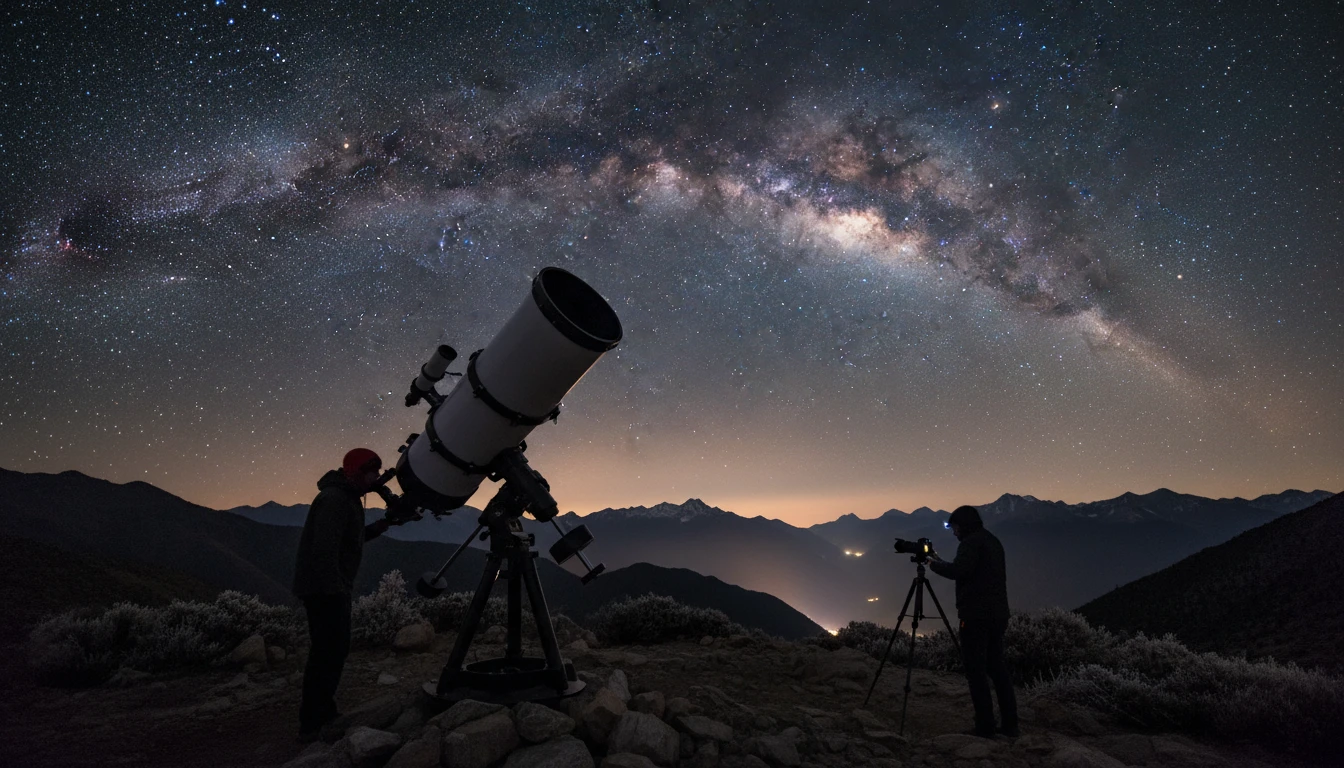
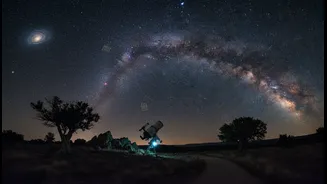
High in the mountains of Sikkim, where life is often dictated by ancient traditions and the rhythm of the seasons, a new kind of work is taking root. Local residents are becoming citizen scientists, playing a crucial role in cutting-edge radio astronomy.
This remarkable initiative is part of RAD@home, a pioneering Indian collaboratory that trains ordinary citizens to analyse complex astronomical data from world-class telescopes. Instead of needing to be in a high-tech lab, these volunteers use laptops to sift through images, bridging the gap between their remote homes and the vastness of space. The project demonstrates that scientific discovery is no longer confined to universities and major research centres; it can happen anywhere, even in a village nestled among the peaks of the Himalayas.
The Power of the Human Eye
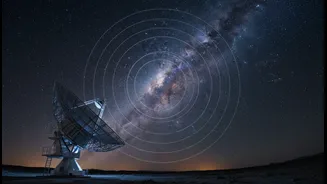
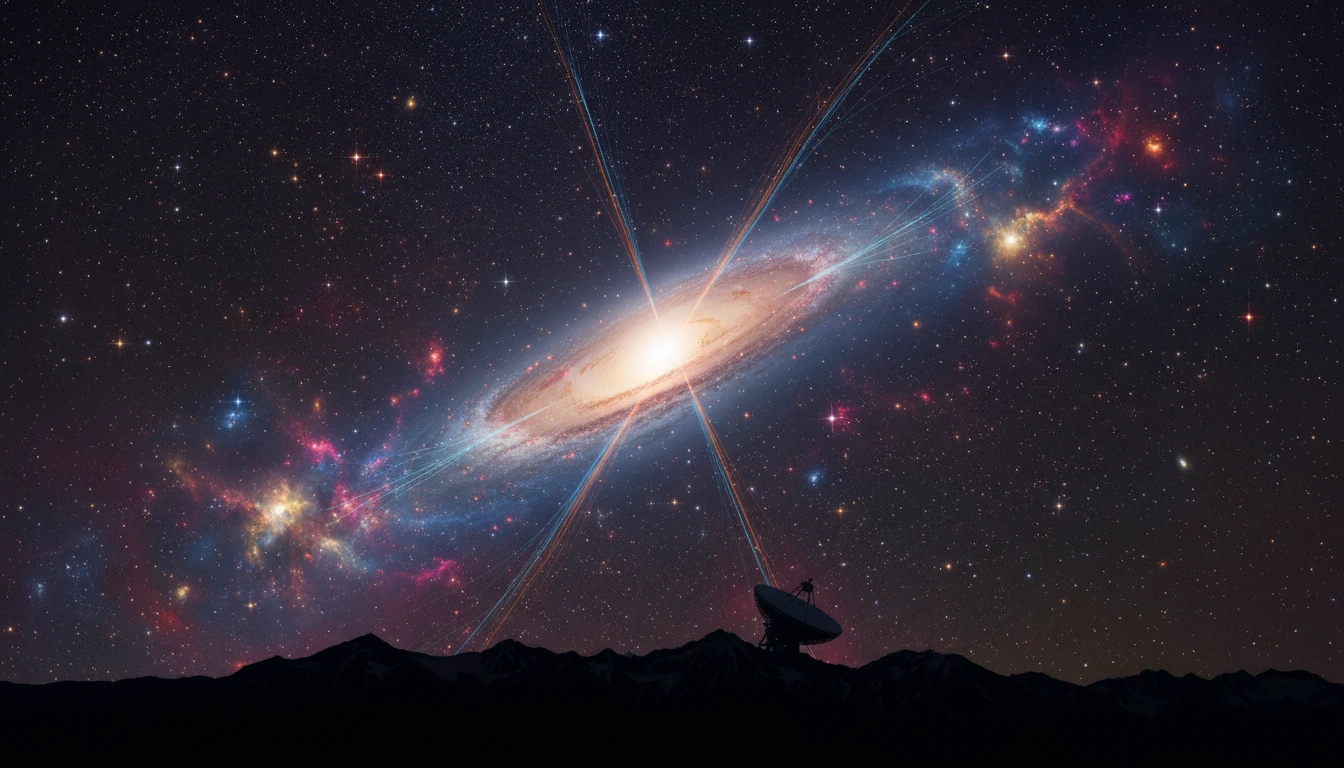
The core of the project involves analysing data from powerful radio telescopes like the LOFAR telescope. This data arrives as images of deep space, filled with countless objects. While sophisticated algorithms and AI can process vast amounts of this information, they are often programmed to find what they expect to find. The human eye, however, possesses an unparalleled ability to recognise unusual patterns and spot anomalies. Recently, this exact strength led to a significant discovery by a citizen scientist from Sikkim named Pranim Limbo. While participating in an online training session, Limbo identified a unique 'bow-and-arrow' shaped radio galaxy, a structure that had been previously missed by automated systems. This discovery, published in a prestigious international astronomy journal, underscores the vital contribution that curious and dedicated citizens can make to science.
Empowering a New Generation
The impact of this citizen science program extends far beyond data analysis. For the community in Sikkim, it represents a powerful engine for education and empowerment. It introduces young people to career paths and scientific concepts they might never have otherwise encountered. Astronomy motivation activities are crucial in rural India, where school curriculums often lack practical, hands-on science opportunities. Initiatives like RAD@home and others which promote astro-tourism and dark-sky awareness are helping to change this. By involving locals in global research, the project fosters a sense of pride and ownership. It shows students and adults alike that they can be active participants in the scientific process, not just passive observers. This builds scientific temperament and could inspire a new generation of scientists, engineers, and innovators from regions that have historically been on the periphery of mainstream scientific endeavours.
A Model for the Future
The success of the Sikkim citizen science project serves as a powerful model for the future of research and development in India and beyond. It proves that scientific innovation can be decentralised and inclusive. The Sikkim government itself has been actively promoting science and technology for economic upliftment and the creation of a scientific temperament among its people. The RAD@home collaboratory is already looking ahead, planning how to integrate its citizen science network with the upcoming Square Kilometre Array (SKA), a massive international radio telescope project in which India is a key partner. This suggests that the role of citizen scientists is only set to grow. By harnessing the collective power of curious minds, regardless of their location or background, we can accelerate the pace of discovery and ensure that the benefits of science are shared more equitably across society.