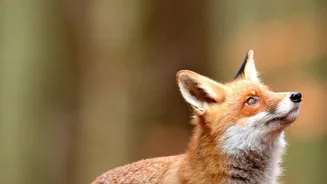



Look past the usual pigeons and stray dogs, and you'll find a hidden wilderness thriving in the heart of India's cities. From elusive leopards in Mumbai to giant antelopes on Delhi's roads, a surprising range of wildlife is adapting to our world.
Our Unexpected Neighbours
When
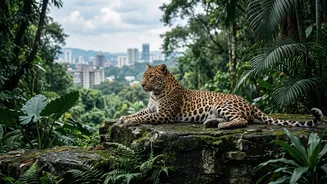
you think of a megacity like Mumbai, 'leopard territory' isn't the first thing that comes to mind. Yet, within the urban sprawl, these big cats navigate a world of highways, apartment buildings, and railway tracks. They are perhaps the most stunning example of a growing global phenomenon: wildlife adapting to urban environments. In India, this isn't limited to one species or city. Rhesus macaques have become notorious residents of Delhi and Jaipur, treating temples and government buildings as their personal forests. Meanwhile, Delhi's state animal, the Nilgai or blue bull, is periodically spotted trotting calmly through traffic, a surreal sight for residents. This isn't just about animals straying from forests; it’s about them actively carving out a life in landscapes we consider exclusively human.
Why the City is the New Wild
The primary driver for this urban migration is habitat loss and fragmentation. As cities expand, they swallow up natural landscapes, leaving animals with little choice but to adapt or disappear. But it’s not just a story of desperation; cities can also be accidental havens. For many animals, urban areas offer an endless buffet. Poorly managed waste provides a reliable food source, attracting everything from rodents and dogs to larger predators that prey on them. Leopards in Mumbai, for instance, have a diet that heavily features stray dogs, which are drawn to garbage dumps on the fringes of Sanjay Gandhi National Park. Furthermore, cities can offer protection from traditional predators and hunting dangers, creating a relatively safe environment for adaptable species.
Masters of Urban Adaptation
Surviving in a city requires a new set of skills. Many urban animals have become masters of adaptation, changing their behaviour to thrive alongside millions of people. Leopards, for example, have become largely nocturnal in urban settings, using the cover of darkness to move through human-dominated areas. They use walls, drainage channels, and scrubland as corridors to navigate the concrete jungle. Other species, like rhesus macaques, have learned to exploit human habits, snatching food and becoming bold in their interactions. This behavioural flexibility is key. Animals that can learn to see a building as a cliff face, a garbage dump as a food source, and nighttime as their prime time for activity are the ones that succeed in the city.
The Challenge of Sharing Space
While the idea of urban wildlife is fascinating, the reality is complex and often fraught with conflict. The same behaviours that allow animals to survive can create significant problems for human residents. This ranges from the nuisance of monkeys raiding homes in Delhi to the very real danger of encounters with leopards in Mumbai's suburbs. Human-wildlife conflict is on the rise as the overlap between territories grows. These interactions are shaped by perception; long-time residents may have a history of coexistence, while newer inhabitants might view the animals as a threat to be removed. Finding a balance where both humans and animals can be safe is one of the biggest challenges for urban planners and conservationists today.
Towards a Future of Coexistence
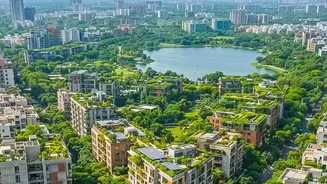
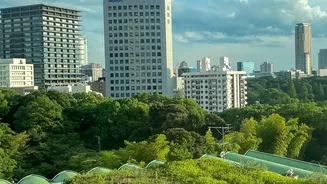
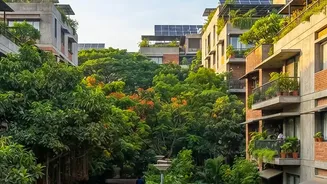
The solution isn't to simply remove the animals. Experts argue that creating cities designed for coexistence is the only sustainable path forward. This involves smarter urban planning, such as maintaining green corridors that allow wildlife to move safely between fragmented habitats. Effective waste management is also crucial, as it reduces the artificial food sources that attract animals into residential areas in the first place. Beyond infrastructure, public awareness is key. Community-led initiatives focused on responsible pet ownership, securing waste, and understanding animal behaviour can significantly reduce conflict. By viewing cities as shared ecosystems, rather than exclusively human domains, it's possible to foster a new kind of urban environment where both people and wildlife can thrive.