




Decoding 'Active Time'
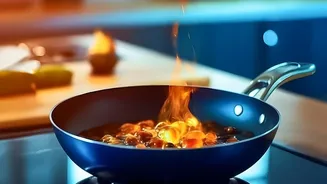
When a recipe lists "active time," it's referring to the period when you are hands-on with the food. This includes all the tasks that require your direct involvement and attention. Think of it as the 'doing' phase: chopping vegetables, mixing a batter,
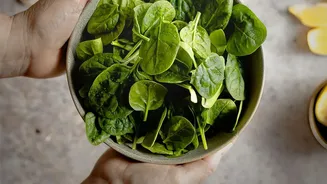
searing a steak, stirring a sauce, or assembling a lasagna. Professional chefs often refer to the preparation part of this as 'mise en place', a French term meaning 'everything in its place'. This involves gathering and preparing all your ingredients before the cooking actually begins. Active time is the most visible part of cooking, but it's only one piece of the puzzle.
The Hidden Factor: 'Inactive Time'
Inactive time is the secret ingredient in a recipe's schedule. This is any period where the food is developing on its own, without your constant supervision. Examples are everywhere in cooking: meat marinating in the fridge, dough rising on the counter, a stew simmering slowly on the stove, or a cake cooling on a rack. While you might be able to step away, this time is not optional. A tough cut of meat needs its long, slow braise to become tender, and bread dough requires a proper proof to achieve a light, airy texture. Ignoring or rushing these inactive periods can lead to disappointing results. This waiting period is just as crucial as the active prep work.
Total Time: The Real Commitment
The 'total time' is the most honest number on a recipe card. It is the sum of both the active and inactive time, representing the entire duration from the moment you start preparing your first ingredient until the dish is ready to be served. Some recipes might even include resting time in this final figure, like letting a roast sit for 10-15 minutes before carving to allow the juices to redistribute. When planning your meal, the total time is the number you should use to work backward from when you want to eat. If a dish has a 20-minute active time but a 2-hour inactive time for chilling, it's a 2-hour and 20-minute commitment from start to finish.
Your Personal Pace Matters
It’s important to remember that recipe times are estimates written by their authors, who are often experienced cooks working in an organized space. Your personal timeline might differ based on several factors. Your knife skills, kitchen layout, and even how familiar you are with the recipe can all affect your speed. A professional chef might chop an onion in 30 seconds, while it might take a home cook a few minutes. Multitasking, or the lack thereof, also plays a role. Are you cleaning as you go, or will you have a big pile of dishes to tackle at the end? Always be kind to yourself and add a buffer, especially when trying a recipe for the first time.
How to Plan Your Cooking Like a Pro
To avoid the dinnertime scramble, adopt a simple, three-step planning process. First, read the entire recipe from top to bottom before you do anything else. This helps you spot any steps that require advance planning, like soaking beans overnight or bringing butter to room temperature. Second, identify all the time components: active prep, hands-on cooking, and any inactive marinating, resting, or chilling times. Add them all up to get a realistic total time. Finally, use that total time to create a simple schedule. If your dish needs to rest for 15 minutes and you want to eat at 7:00 PM, you know it needs to come out of the oven at 6:45 PM. This simple habit transforms cooking from a race against the clock into a relaxed, enjoyable process.