


Punjab’s Hearty Classic: Sarson da Saag and Makki di Roti
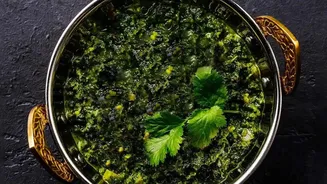
In North India, winter is synonymous with Sarson da Saag. This iconic Punjabi dish is a robust puree of mustard greens (sarson), often balanced with spinach (palak) or bathua to temper the greens' natural peppery bitterness. The dish's existence is tied
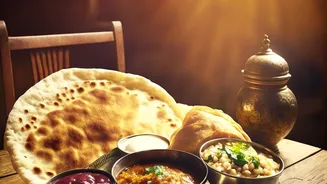
directly to the agricultural calendar, as mustard is a winter crop harvested between October and March. The slow-cooked saag is mashed until creamy, thickened with a touch of maize flour (makki ka atta), and finished with a sizzling tadka of ghee, onions, ginger, and garlic. It's served with Makki di Roti, a rustic flatbread made from maize flour, which provides a nutty, slightly sweet counterpoint to the earthy saag. A generous dollop of white butter and a piece of jaggery on the side complete this quintessential winter meal, designed to be deeply warming and satisfying.
Gujarat’s Winter Bounty: Undhiyu
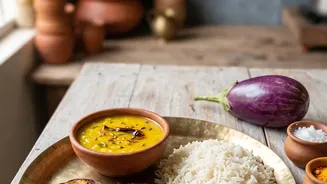
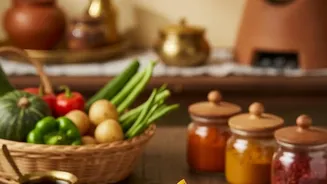
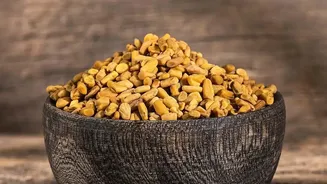
Undhiyu is the undisputed star of Gujarati winter cuisine, a complex, slow-cooked casserole that celebrates the season's harvest. Its name comes from the Gujarati word 'undhu', meaning 'upside-down', a nod to the traditional method of cooking the dish in a sealed earthen pot buried underground and fired from above. This one-pot meal features a medley of winter vegetables like surti papdi (flat beans), purple yam (ratalu), sweet potatoes, and small eggplants. These vegetables are often stuffed with a paste of coconut, coriander, and spices. The dish is further enriched with 'muthia', which are spiced dumplings made from fenugreek leaves (methi) and gram flour. Undhiyu is more than just a dish; it's a community event, especially popular during the Uttarayan kite festival in January.
Bengal's Sweet Secret: Nolen Gur
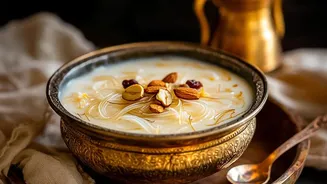
In West Bengal, winter arrives with a unique sweetness in the form of Nolen Gur, or date palm jaggery. This seasonal delicacy is made by simmering the fresh sap of the date palm tree, a process that can only happen in the colder months (typically November to February) when cooler temperatures prevent the sap from fermenting. The result is a jaggery with a smoky, deep caramel flavour that is entirely distinct from its sugarcane counterpart. Available in both liquid (jhola gur) and solid (patali gur) forms, it transforms Bengal's most beloved sweets. From Sandesh and Rasgulla to the rice pudding known as Payesh, countless desserts are given a winter makeover with this prized ingredient, making it an integral part of the region's winter identity and festive traditions like Poush Sankranti.
The Pan-Indian Comfort: Gajar ka Halwa
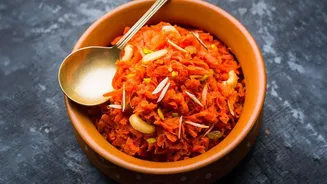
While many winter dishes are fiercely regional, Gajar ka Halwa is a dessert that unites the country. This sweet pudding is a staple in many Indian homes once the temperature drops. Its popularity is tied to the availability of sweet, juicy red carrots that flood North Indian markets during winter, providing the dish with its signature colour and flavour. The process involves slow-cooking grated carrots with milk, ghee, and sugar until the mixture becomes rich and dense. Cardamom adds fragrance, while a garnish of chopped nuts like almonds and pistachios provides texture. Beyond its comforting taste, the halwa is packed with ingredients considered beneficial for the season; carrots are a great source of Vitamin A, while ghee is an Ayurvedic staple believed to keep the body warm from within.
Warming Ingredients: The Logic of Winter Spices
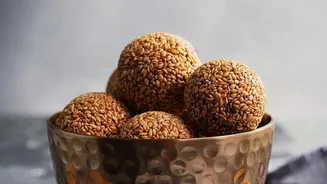
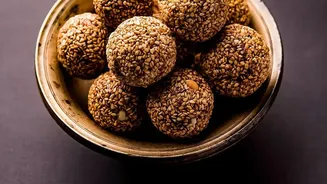
Across all regional cuisines, a common thread is the use of 'warming' ingredients. Ayurvedic tradition classifies certain foods and spices by their effect on the body, and winter cooking leans heavily on those that generate internal heat. Spices like ginger, black pepper, cloves, and cinnamon are key components of many winter dishes and 'garam masala' blends. Their role is not just to add heat in terms of spiciness but to improve circulation and aid digestion during colder weather. Similarly, ingredients like millets (bajra, jowar), sesame seeds (til), and jaggery (gur) are favoured across states like Rajasthan, Maharashtra, and Haryana for their perceived warming properties and nutritional density, forming the backbone of many rotis, khichdis, and ladoos.