




The Philosophy of Warm Minimalism
Many of us want a home that feels calm and tidy but recoil from interiors that seem cold or sterile. This is where the concept of warm minimalism comes in. It’s a design approach that keeps the clean lines and open spaces of minimalism but removes the coldness
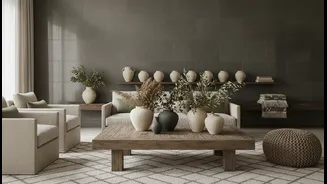
by focusing on natural materials, layered lighting, and comfort. The goal isn’t to add more decorative items; it’s to choose functional pieces made from materials that feel good to see and touch. Instead of filling surfaces with trinkets, this style lets the inherent texture of wood, wool, or linen do the decorative work, creating a sense of depth and personality without the visual noise.
Embrace the Honesty of Wood
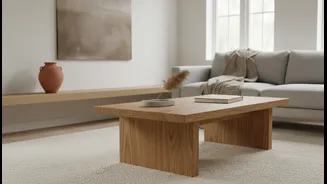
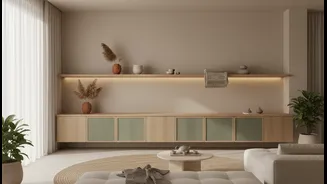
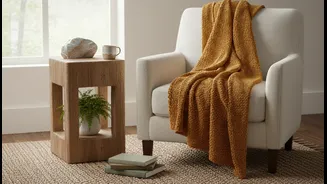
Wood is one of the most effective materials for instantly warming up a room. Its natural grain, tones, and imperfections bring life and movement to a space. The key is to incorporate wood in functional, significant pieces rather than small, scattered accents. Think of a solid wood dining table, a timber bed frame, or a wide-plank floor. These larger elements ground the room and provide a warm foundation. Even in a kitchen, wooden cutting boards or a utensil holder can soften the hard edges of countertops and appliances. When choosing wood, you don't have to match everything perfectly, but sticking to one or two dominant tones with similar undertones (like warm oaks with maple, or cooler ash with walnut) can create a cohesive look.
Layer Textiles for Tactile Comfort
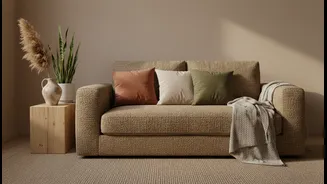
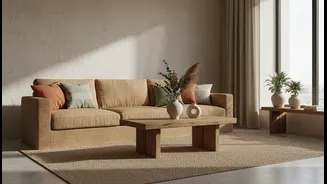
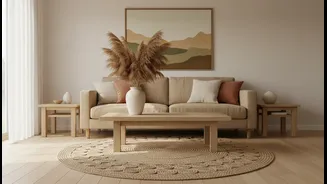
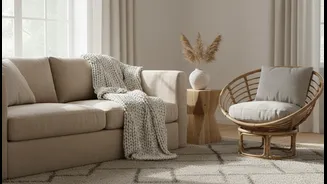
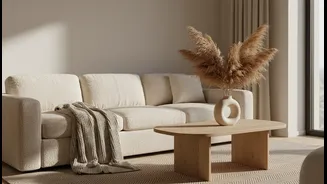
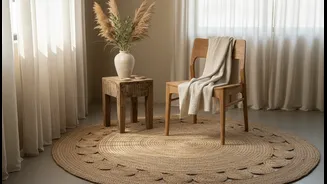
Texture is a powerful tool because it adds sensory richness without adding clutter. Layering different fabrics is a simple way to make a room feel more inviting. Imagine a linen sofa, a chunky wool throw, and a few cotton cushions. Each material has a different feel and look, adding layers of visual interest. A plush wool or jute rug can define a space and add instant coziness underfoot, especially on a hard floor. Curtains made from natural fibres like linen or cotton can also soften the light and the overall feel of a room. The idea is to combine different textures—smooth, rough, soft, and coarse—to create a dynamic and comfortable environment.
The Grounding Power of Stone
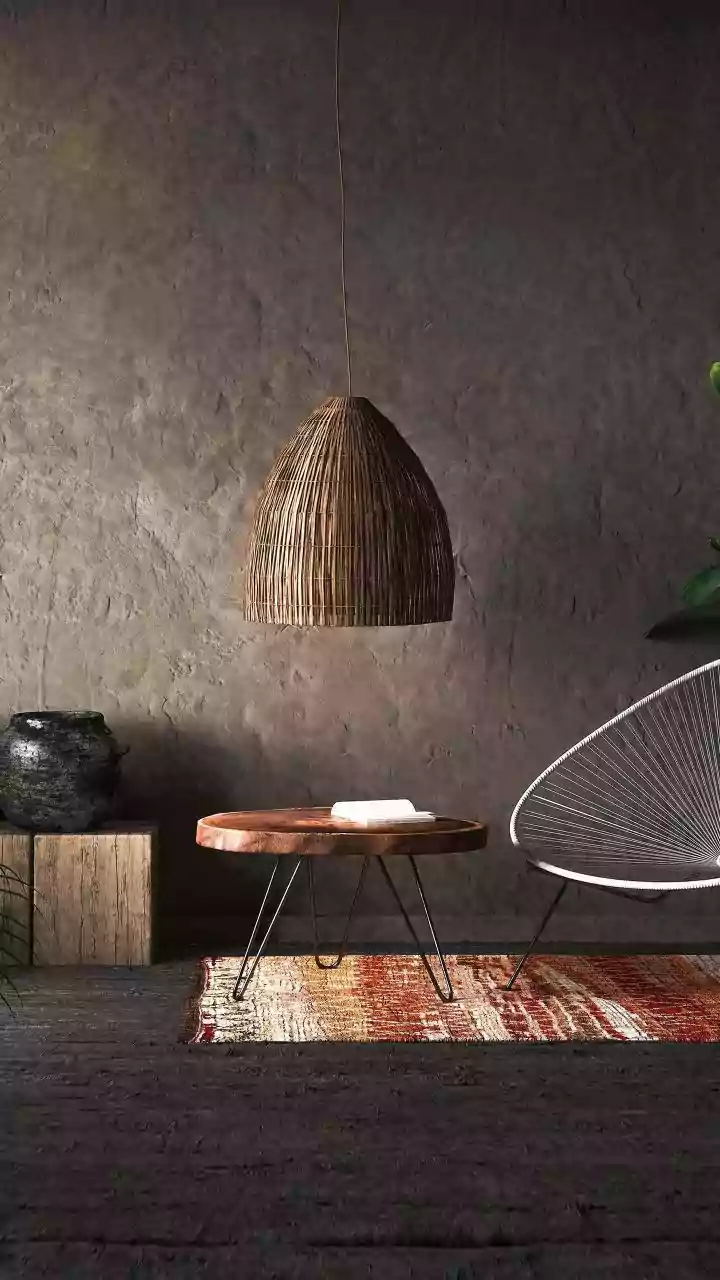
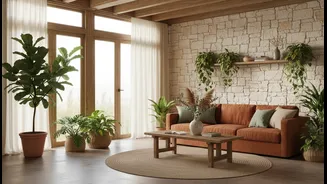
Stone might sound cold, but when used thoughtfully, it brings an earthy, grounding quality to a space. Materials like travertine, slate, or even terracotta have a natural, tactile character that adds immense depth. A stone accent wall, a travertine coffee table, or a slate hearth can act as a quiet, powerful anchor in a room. The beauty of stone lies in its permanence and stillness, which provides a perfect counterbalance to the warmth and movement of wood. This combination of wood and stone is timeless, creating a dialogue between materials that feels both sophisticated and deeply connected to nature.
Don't Forget Plants and Lighting
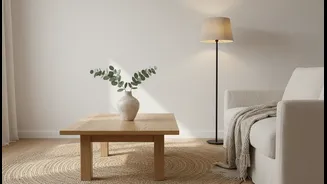
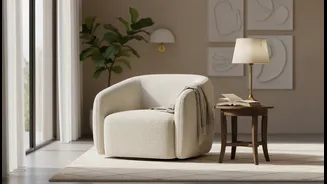
Bringing natural elements indoors is another core principle. Plants are the most obvious way to do this, adding life, colour, and organic shape to a room without contributing to clutter. A few well-placed plants, from a large fiddle leaf fig to smaller potted greens, can instantly make a space feel more alive. Finally, lighting is crucial. Harsh overhead lighting can make any room feel sterile. Instead, layer your lighting at different heights. A floor lamp next to a reading chair, a table lamp on a console, and warm-toned bulbs (around 2700-3000K) create soft pools of light that make a room feel gentler and more intimate in the evening.