



Pre-Trip Vehicle Health Check
A safe journey begins days before you turn the key. Driving through the ghats in heavy rain is challenging, and your vehicle must be in prime condition. First, inspect your tyres. Ensure they have a tread depth of at least 3mm for better grip on wet,
slippery roads. Worn tyres are a major risk and can lead to skidding or hydroplaning. Next, check your wiper blades. If they leave streaks or make chattering sounds, replace them. Visibility can drop to near-zero in a downpour, and effective wipers are non-negotiable. Also, test all your lights: headlights (both low and high beam), brake lights, indicators, and fog lamps. In the foggy conditions common to Agumbe, being visible to others is as important as seeing the road ahead. Finally, have your brakes inspected. The steep descents of the ghat roads put immense strain on them, and wet conditions increase stopping distances.
Route, Timing, and Road Conditions
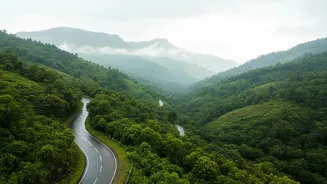
The drive from Bangalore to Agumbe is approximately 350 kilometres. A popular and scenic route goes via Hassan, Belur, and Sringeri. While the highways are generally in good condition, the roads become narrow and winding after Thirthahalli as you enter the Agumbe ghat section. This section features several sharp hairpin bends. It's crucial to start your journey from Bangalore early in the morning to avoid driving on these unfamiliar ghat roads after dark. Visibility drops significantly at night, compounding the risks of rain and fog. During the monsoon, authorities may restrict heavy vehicle traffic on the Agumbe ghat to prevent landslides, which can make the drive smoother for cars but also indicates the potential danger. Always check for local advisories before you leave.
Safe Monsoon Driving Techniques
Driving in the ghats during monsoon requires a different mindset. Reduce your speed significantly and maintain a greater distance from the vehicle ahead, as braking takes longer on wet surfaces. On the winding, narrow roads, honk before blind turns to alert oncoming traffic. One of the most critical techniques for steep descents is engine braking. Instead of constantly pressing the brake pedal, which can cause it to overheat and fail, shift to a lower gear. This uses the engine's resistance to control the car's speed. In conditions of heavy fog or rain, use your low beam headlights. Using high beams is counterproductive as the light reflects off the water droplets, creating a wall of glare that reduces visibility. Be vigilant for signs of landslides, such as mud on the road, falling rocks, or cracked trees.
Essential Packing for a Rainforest Trip
Beyond your usual luggage, a monsoon trip to Agumbe requires specific gear. Pack a comprehensive first-aid kit, including antiseptic, bandages, and any personal medications. Insect repellent is a must, as the damp conditions are a breeding ground for insects and leeches. Carry an umbrella, raincoats, and waterproof bags to protect your electronics, including your phone and camera gear. A powerful torch with spare batteries is essential, as power cuts can be common and you may need it if you have car trouble at night. Also pack a power bank for your phone, as mobile networks can be patchy in remote areas. It's wise to have some dry snacks and drinking water in the car as well.
Capturing the Rainforest: Photography Tips
Agumbe is a paradise for photographers, especially during the monsoon when the landscape is vibrant and misty. The region is particularly famous for macro photography of frogs, insects, and other rainforest life. To protect your gear, use a rain cover for your camera and a lens hood to keep water droplets off the lens. An external flash can be very helpful in the low-light conditions of the dense forest. Some of the most iconic photography spots include the Sunset View Point, which offers panoramic vistas of the Western Ghats even on cloudy days. The various waterfalls, such as Onake Abbi Falls, Jogi Gundi Falls, and Barkana Falls, are at their most spectacular during the monsoon. However, trekking to these falls requires caution on slippery paths, so wear appropriate footwear and consider a local guide.