






What Exactly is a 'Cool-Cation'?
The idea is simple: instead of chasing the sun, you run from it. A cool-cation is a holiday planned specifically to visit a destination with a milder, more comfortable climate during peak summer months. [3, 4, 10] It’s a move away from the sweltering
beaches of the Mediterranean or crowded tropical resorts, and towards the crisp air of higher altitudes or northern latitudes. [14] Think swapping a trip to Greece, where the Acropolis might close due to extreme heat, for the refreshing fjords of Norway or the breezy highlands of Scotland. [9, 14] This trend, first identified by Condé Nast Traveller in late 2023, has rapidly gained popularity as travellers seek refuge from increasingly intense heatwaves. [3, 4, 5]
A Direct Response to a Warming World
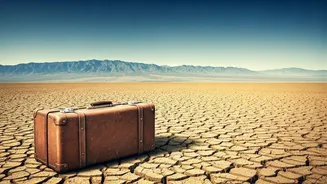
The rise of the cool-cation isn't a random fad; it's a direct consequence of climate change. Record-breaking summer temperatures are no longer an anomaly but a recurring event. [1, 9] In fact, 74% of global travellers say that climate uncertainty now impacts how they plan their trips. [11] With traditional summer destinations in Southern Europe experiencing scorching heatwaves and wildfires, many are rethinking their travel plans. [1, 19] It’s not just about comfort, but also about safety and accessibility, as extreme heat can shut down tourist sites and make daytime exploration unbearable. [14] As a result, travel platforms have seen a massive surge in searches for cooler destinations, with some reporting increases of over 70% for trips to these temperate zones. [12, 18]
The New Hotspots for Staying Cool
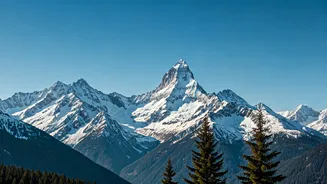
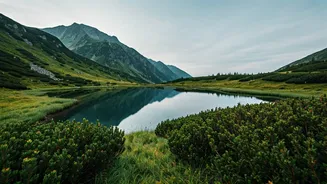
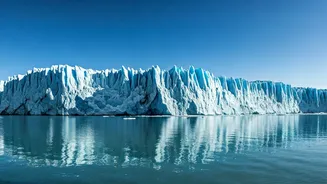
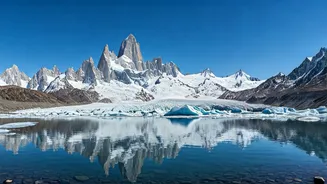
So, where are people going? The most popular cool-cation destinations are often in Northern Europe. Countries like Norway, Sweden, Denmark, Finland, and Iceland are seeing a significant rise in tourism. [3, 8, 9] The appeal lies in their mild summer climates, stunning natural landscapes, and opportunities for outdoor activities without the risk of heatstroke. [9, 20] Other popular choices include the alpine regions of Switzerland and the Dolomites in Italy, the Scottish Highlands, and the coasts of Ireland. [6, 7, 13] Beyond Europe, destinations like Canada, Alaska, and even Patagonia in South America are gaining traction as places to find respite from the heat. [2, 6, 14]
The FOMO Factor: More Than Just Comfort
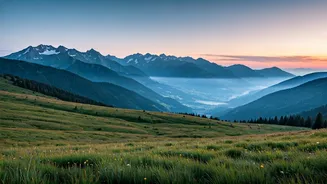
While the initial motivation for a cool-cation is practical, it has quickly evolved into a social phenomenon. As idyllic images of misty mountains and serene fjord cruises flood social media, a sense of FOMO—or Fear Of Missing Out—has begun to build. [21, 25] A trip to a chilly, unique destination is becoming a new kind of status symbol, a pivot from the once-coveted tan. This is particularly true for younger generations like Gen Z, whose travel behaviours are heavily influenced by social media trends and a desire for unique experiences. [21, 25] A cool-cation signals not just the ability to afford a holiday, but also a conscious choice to prioritise comfort and explore off-the-beaten-path locations, turning a climate adaptation into a desirable lifestyle statement. [3]
The Uncool Side of Cool-Cations
However, this growing trend is not without its problems. Many of these newly popular cool-cation spots are not equipped to handle a sudden influx of tourists. This can lead to the very overtourism that travellers were trying to escape, putting a strain on local infrastructure and housing. [16, 22] There's a certain irony in contributing to carbon emissions by flying to a cooler destination to escape the effects of climate change. [17] Furthermore, the economic benefits for these new hotspots could come at a cost to traditional destinations that depend heavily on summer tourism. [16, 17] The challenge, therefore, is to manage this shift sustainably, ensuring that the quest for a comfortable holiday doesn't create new environmental and social problems. [17, 22]