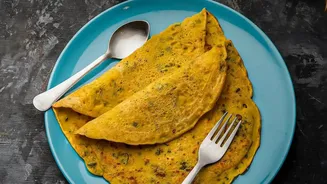


Kuttu Ka Cheela (Buckwheat Pancake)
A fantastic and savoury alternative, kuttu ka cheela is a gluten-free pancake made from buckwheat flour. Kuttu is a popular ingredient during fasting periods like Navratri. To make the batter, simply mix kuttu ka atta (buckwheat flour) with water, sendha
namak (rock salt), and spices like chopped green chillies and grated ginger. You can also add grated vegetables like potato or cucumber for extra texture and nutrition. Cook it on a hot tawa with a little ghee or oil until crisp and golden brown on both sides. It’s light, easy to digest, and provides sustained energy, making it a perfect start to your day. Serve it hot with a side of plain curd or mint chutney.
Samak Dosa or Pulao (Barnyard Millet)
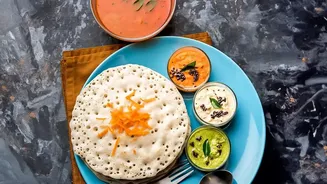
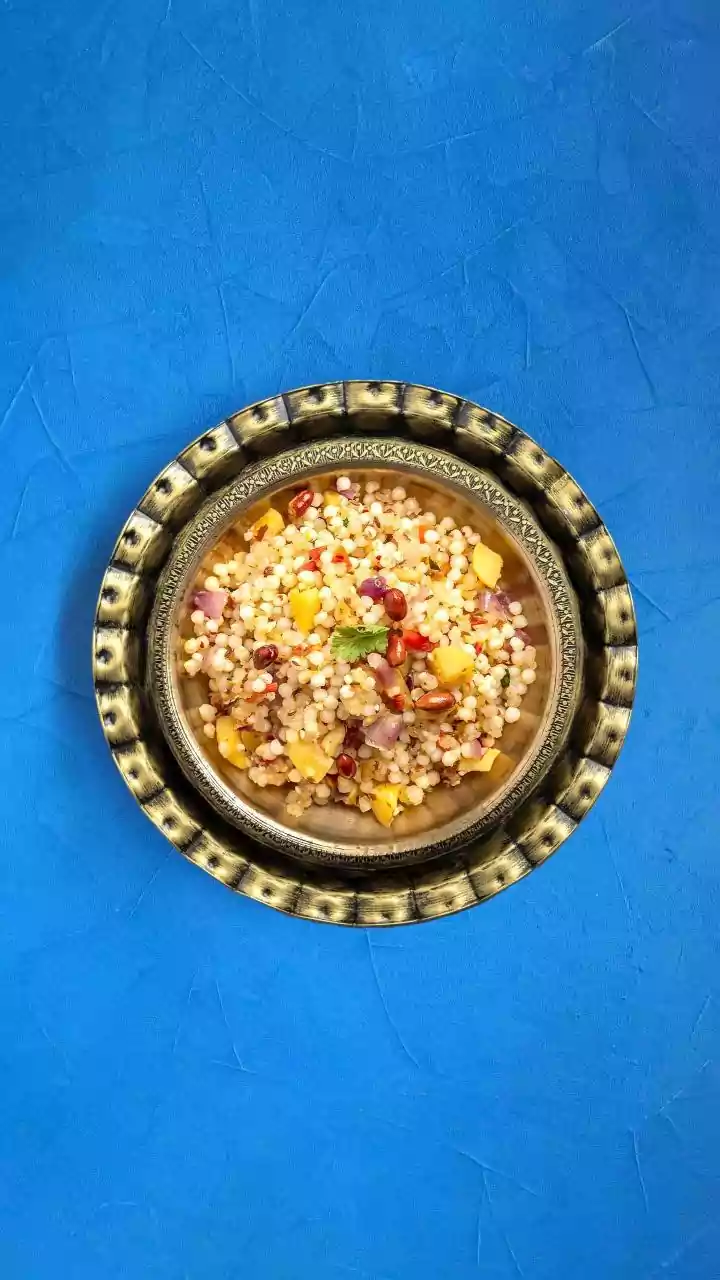
Samak ke chawal, or barnyard millet, is not a true rice but a tiny, nutrient-dense seed that is a wonderful grain substitute for fasting. You can prepare a quick and flavourful pulao by tempering cumin seeds, green chillies, and peanuts in ghee, then adding soaked samak rice, potatoes, and water, and cooking until fluffy. For a South Indian twist, try making samak dosa. A batter can be made by grinding soaked samak rice, which is then spread on a tawa like a regular dosa. This versatile millet is easy on the stomach, gluten-free, and can be adapted into many forms, from khichdi to kheer.
Rajgira Paratha (Amaranth Flatbread)
Rajgira, or amaranth flour, is a protein-packed, gluten-free option that works brilliantly for making soft, satisfying parathas. The dough is typically made by combining rajgira atta with boiled and mashed potatoes, which act as a binding agent. Seasoned with rock salt, cumin powder, and fresh coriander, these parathas are incredibly flavourful. Rolling them can be a bit delicate, but placing the dough between two sheets of parchment paper can make it easier. Cook them on a hot griddle with ghee until they have lovely brown spots. These parathas are quite filling and pair wonderfully with a simple lauki (bottle gourd) sabzi or a bowl of fresh curd.
Makhana and Nut Smoothie
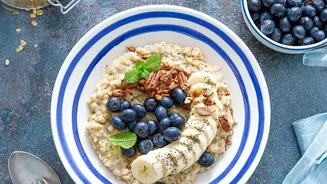
For those who prefer a liquid breakfast, a creamy smoothie can be both hydrating and deeply nourishing. Phool makhana (fox nuts) are a vrat-friendly staple, low in calories but high in nutrients. To make a smoothie, lightly roast a cup of makhana until crisp, then blend them with a banana, a handful of almonds and walnuts, a cup of milk or yogurt, and a sweetener like dates or honey. This blend provides a healthy dose of protein, healthy fats, and carbohydrates to keep you energised. You can also add a pinch of cardamom for a fragrant lift. It’s a quick, no-cook option perfect for busy mornings.
Fruit Chaat with a Twist
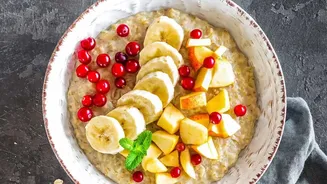
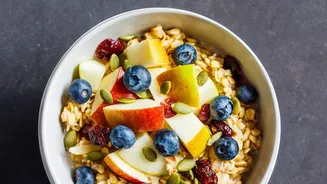
Never underestimate the power of a well-made fruit chaat. It’s the simplest and most refreshing vrat breakfast. To make it more substantial, combine seasonal fruits like apples, bananas, pomegranates, and papaya with cubes of boiled sweet potato. Sweet potatoes offer complex carbohydrates for lasting energy. For the dressing, mix lemon juice, roasted cumin powder, and sendha namak. A sprinkle of chopped walnuts or almonds adds a delightful crunch and healthy fats. This colourful bowl is not only visually appealing but also packed with vitamins, minerals, and fibre, ensuring you feel light yet satisfied.