



Embrace the Balanced 'Thali'
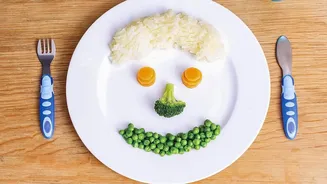
Forget complex calorie counting. A powerful and traditional tool for ensuring balanced nutrition is the Indian thali. The goal is variety and proportion on a single plate. A simple rule is to visually divide your child's plate: half should be filled with
fruits and vegetables, one quarter with whole grains, and the final quarter with a protein source. Whole grains like roti, brown rice, or millets provide sustained energy. For protein, include dals, paneer, eggs, or legumes like chickpeas and beans. Adding a small bowl of curd and a spoonful of ghee for healthy fats completes the picture, providing essential nutrients for brain development and bone strength. This approach ensures a mix of macronutrients and micronutrients in every meal.
Reinvent Snack Time
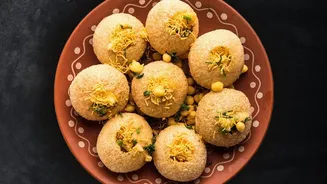
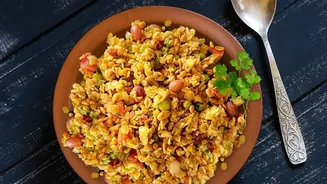
Snacks are a major part of a child's daily intake, but they are often dominated by packaged foods high in salt, sugar, and unhealthy fats. The Food Safety and Standards Authority of India (FSSAI) has regulations restricting such foods in and around schools, highlighting their concern. At home, you can make snack time a nutritional win. Instead of chips, offer roasted makhana (fox nuts) or chana (chickpeas), which are rich in protein. Swap sugary biscuits for a small serving of poha, a steamed dhokla, or a fruit chaat. Even familiar treats can be made healthier, like a baked samosa with a vegetable and paneer filling. These homemade options are not only healthier but also introduce children to a wider range of flavours and textures.
Navigate the Picky Eating Phase
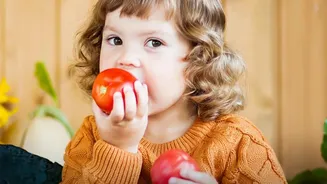
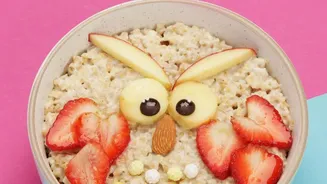
Mealtime battles with a picky eater are stressful for parents and children alike. Experts agree that pressuring or bribing a child to eat often backfires, creating negative associations with food. A more effective strategy is patient and repeated exposure. It can take more than ten tries for a child to accept a new food. Offer new foods in small portions alongside familiar favourites without pressure. Another powerful technique is to involve your child in the process. Take them to the market, let them help wash vegetables, or stir a simple batter. When children feel a sense of ownership over the meal, they are more likely to try it. Trust their hunger cues; as long as they are active and healthy, their appetite will regulate itself.
Tap into Seasonal and Local Power
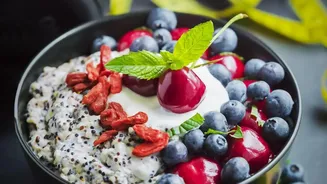
Eating seasonal and local produce is a cornerstone of traditional Indian wellness for good reason. Foods grown in their natural season are often fresher, more affordable, and more nutrient-dense. For example, a locally grown seasonal fruit will likely have higher vitamin content than one that has been transported over long distances and stored. Following nature’s calendar also brings diversity to your child's diet throughout the year, which is beneficial for gut health. In summer, hydrating foods like watermelon and cucumber are ideal. The monsoon brings immunity-supporting vegetables like bitter gourd, while winter offers a bounty of leafy greens like spinach and methi, and vitamin C-rich fruits like oranges and amla.