




The Tale of Two Valleys
Before you pack your bags, it's crucial to understand that Kasol and Jibhi offer two vastly different experiences. Kasol, nestled in the Parvati Valley, is a vibrant, bustling hub known for its energetic café culture, international crowd, and social atmosphere.
It’s the place for those who want trekking routes and social energy right at their doorstep. Jibhi, located in the quieter Tirthan-Banjar region, is its introspective counterpart. It offers silence, dense deodar forests, and a slower pace of life, making it ideal for those seeking a true mental reset and deep focus. Your choice depends entirely on the work-life blend you're aiming for: social and active, or peaceful and solitary.
Kasol: The Backpacker's Workstation
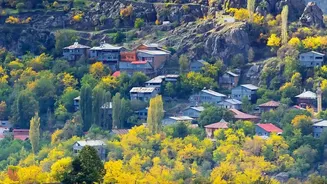
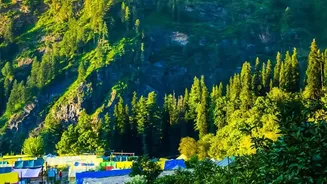
For remote workers who thrive on energy, Kasol is a prime destination. The main town and its surrounding villages like Chalal and Katagla are packed with guesthouses, hostels, and homestays that cater to a wide range of budgets. You can find dorm beds for as little as ₹500–₹800 a night or private rooms for a little more. The area's main draw is its dozens of cafes, many offering Israeli and Italian food, which often double as co-working spots for travellers. While the vibe is fantastic, connectivity can be a mixed bag. Main Kasol has better mobile coverage, and many cafes offer Wi-Fi, but it's not always reliable for heavy-duty tasks like large file transfers. It's best suited for writers, social media managers, and those whose work doesn't depend on constant, high-speed video calls.
Jibhi: A Haven for Focused Work
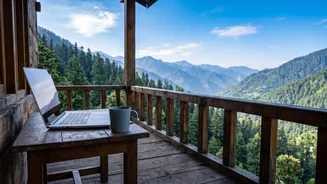
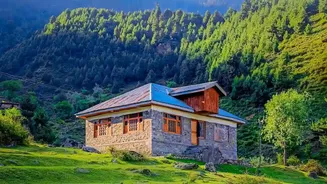
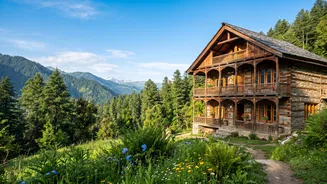
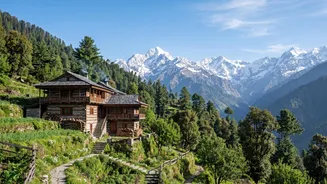
If your idea of a mountain office involves birdsong and the sound of a flowing river, Jibhi is your answer. The accommodation here leans towards charming wooden homestays and private cabins that offer a more immersive natural experience. These are often run by local families, providing home-cooked meals and a warm, welcoming atmosphere. In recent years, Jibhi has adapted to the needs of digital nomads, with many homestays and a few dedicated cafes now providing reliable Wi-Fi, often through JioFiber connections, and essential power backup. While more serene, it's not disconnected. However, it's wise to confirm the type of internet connection (broadband vs. mobile hotspot) and power situation before booking a long stay. Jibhi has no ATMs, so it’s essential to carry enough cash.
Finding Affordable, Work-Ready Stays
The key to an affordable workcation is planning, especially for longer stays. In both Kasol and Jibhi, many hosts offer significant discounts for weekly or monthly rentals. Look for homestays slightly outside the main town centres for better rates and more peace. For Kasol, this could mean staying in nearby villages like Chojh or Katagla. For Jibhi, look towards villages like Tandi or Shoja. When searching on platforms like Airbnb, Booking.com, or even Facebook travel groups, use specific keywords like "workation," "long-term stay," and "Wi-Fi with power backup." Don't hesitate to message hosts directly to clarify your work requirements. A beautiful cottage is only a viable workspace if it keeps you connected.
Your Essential Mountain Work-Kit
A successful work-from-mountains experience depends on being prepared. Even with hosts promising good connectivity, the mountains are unpredictable. Power cuts, especially during monsoon season, are common, so a personal power bank for your laptop and phone is non-negotiable. Carrying a portable Wi-Fi dongle with a reliable SIM (Jio and Airtel are generally best in these regions) can be a lifesaver when the primary network fails. Also, pack layers of clothing, a waterproof jacket, and comfortable shoes. Finally, adopt the local rhythm. Schedule your deep work for the quiet mornings and save afternoons for hikes to a nearby waterfall or exploring the local village, ensuring you get the best of both worlds.