





The September Weather Outlook
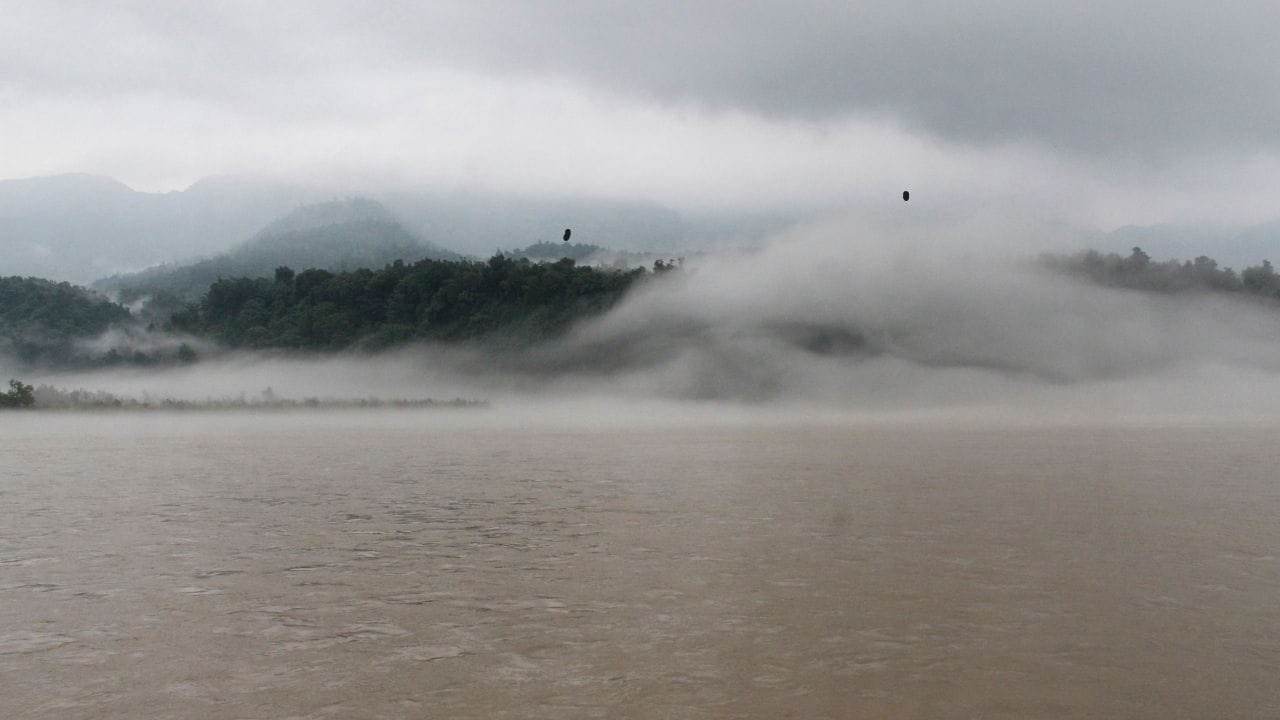
While the monsoon typically begins its withdrawal from northwest India in September, the process is not uniform. A low-pressure system over the Bay of Bengal is expected to bring a fresh spell of rain to eastern and central India in the first week of the month.
The India Meteorological Department (IMD) has forecast heavy to very heavy rainfall across several states, with regions like Odisha and Chhattisgarh facing the highest threat of extremely heavy showers. This wet spell is expected to persist across northwest, central, and eastern India until at least September 5th, potentially delaying the monsoon's overall exit. This means travellers should anticipate wet conditions in many parts of the country, rather than assuming a dry, post-monsoon climate.
High-Risk Zones for Travellers
Certain regions are more prone to September showers and their consequences. According to forecasts, eastern India (Odisha, Jharkhand, West Bengal), central India (Chhattisgarh, Madhya Pradesh), and parts of the Northeast (Assam, Meghalaya, Arunachal Pradesh) are expected to see significant rainfall. Hilly states like Uttarakhand and Himachal Pradesh are also on alert for widespread rain, which increases the risk of landslides and road blockages. In the south, coastal Karnataka and Kerala may also experience widespread rain. Travellers planning trips to these areas should build extra buffer days into their itineraries and stay updated on local advisories.
Tips for Navigating Road Travel
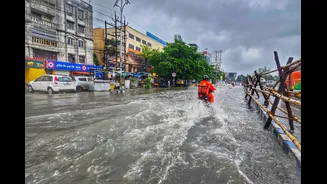
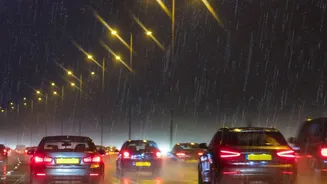
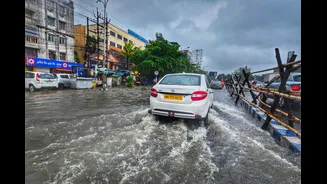
Road trips during the tail-end of the monsoon require extra vigilance. Urban areas like Delhi have recently experienced how sudden, intense downpours can lead to severe waterlogging and massive traffic jams, causing widespread disruption. In hilly areas, the primary danger is landslides, which can shut down key routes for days. Before setting out, check real-time traffic updates and crisis alerts on apps like Google Maps, which can provide information on road closures. Avoid driving at night during heavy rain, maintain a slower speed on wet roads, and never attempt to cross a flooded street, as water levels can be deceptive. It is also wise to inform family or friends of your route and expected travel times.
Dealing with Flight and Train Delays
Heavy rain can have a cascading effect on air and rail transport. At airports, thunderstorms, poor visibility, and waterlogged runways can lead to significant delays, diversions, and cancellations. Recently, a single day of heavy rain in Delhi caused over 400 flight delays and more than a dozen diversions. Airlines typically issue travel advisories during such weather, so always check your flight status before leaving for the airport. For train travel, waterlogging on tracks and landslides in ghat sections are major causes of delays and cancellations. Use the official National Train Enquiry System (NTES) for the most reliable updates. If your train is cancelled, e-ticket refunds are usually processed automatically.
Essential Packing and Preparation
Smart packing can make a huge difference. Prioritise quick-drying clothes, a reliable raincoat or poncho, and waterproof footwear. A waterproof cover for your backpack is essential to protect electronics and documents. Always carry a power bank, a basic first-aid kit with any personal medicines, and some dry snacks and water in case of long delays. It is also crucial to have flexible bookings for hotels where possible, as sudden changes to your itinerary may be necessary. Finally, check if your travel insurance covers disruptions caused by natural calamities, as this can provide a financial safety net.