


The Search for Guilt-Free Indulgence
Let's be honest, the love for desserts is universal, but so is the desire to eat healthier. For years, this has felt like a compromise. You could either have the decadent, satisfying treat or the ‘healthy’ version that tasted like a pale imitation. But
that’s changing, and the humble brownie is at the forefront of this shift. As health awareness grows, people are actively looking for ways to cut down on refined ingredients like maida (all-purpose flour) without sacrificing taste. This has sparked a wave of culinary innovation, and the star of this movement is an ancient grain that’s making a major comeback: millet.
What Are Millets, Anyway?
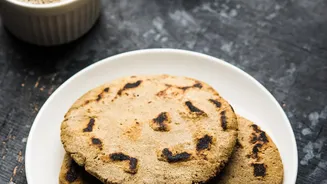
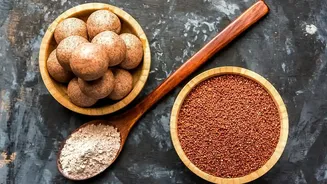
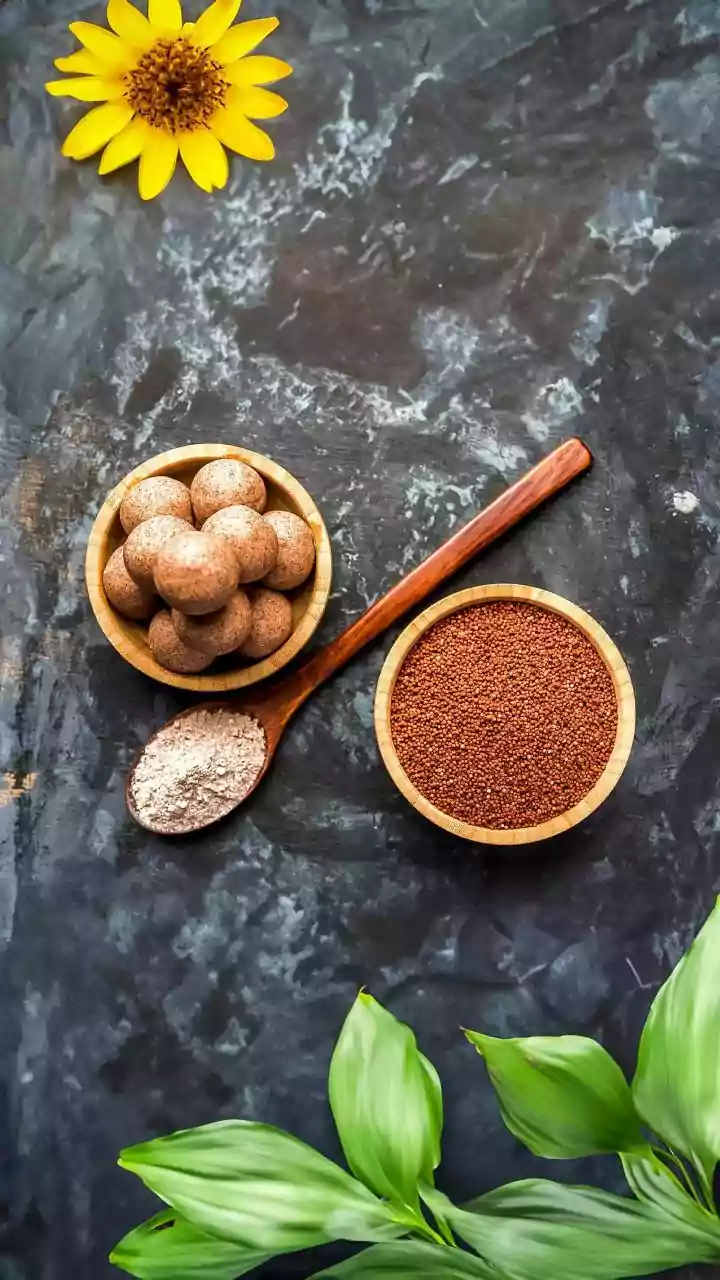
For generations in India, millets like jowar (sorghum), bajra (pearl millet), and ragi (finger millet) were staple foods, long before wheat and rice became dominant. These small-seeded grasses are incredibly resilient, requiring less water to grow, making them a sustainable choice for farmers. While they were once seen as traditional or old-fashioned, the UN's declaration of 2023 as the International Year of Millets helped thrust them back into the global spotlight, highlighting their immense potential for both nutrition and food security. Now, chefs and home bakers are rediscovering these powerhouse grains, not for porridge or rotis, but for cakes, cookies, and especially brownies.
A Nutritional Upgrade for Your Brownie
So, what happens when you swap millet flour for maida in your brownie recipe? You get a significant nutritional boost. Unlike refined wheat flour, which is stripped of its nutrients, millet flour is a good source of protein, fibre, and essential minerals like magnesium, iron, and phosphorus. Millets are naturally gluten-free, making them a fantastic option for those with celiac disease or gluten sensitivity. The high fibre content aids digestion and helps control blood sugar levels by slowing down glucose release, which is a major advantage over the sharp spikes associated with refined flour. For instance, ragi is exceptionally high in calcium, while bajra is rich in iron, addressing common nutritional deficiencies.
But How Does It Affect the Taste and Texture?
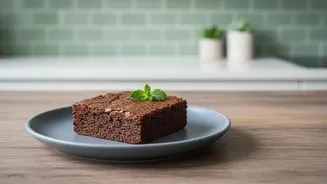
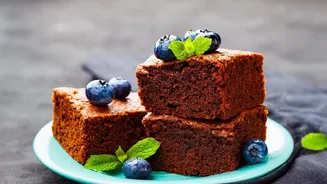
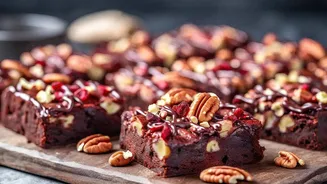
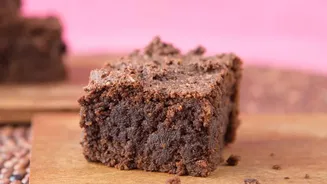
This is the all-important question. A healthy brownie is only a success if it's still a joy to eat. Fortunately, millet flours perform beautifully in baked goods. They have a mild, slightly nutty and earthy flavour that complements the rich taste of chocolate perfectly. Different millets offer different characteristics. Jowar has a neutral flavour, while ragi adds a deep, malty note and a darker colour. Texturally, millet flours can create a wonderfully tender and cake-like crumb. Because they absorb more moisture, the resulting brownies are often denser and fudgier than their wheat-based counterparts — a quality many brownie lovers actively seek. The end product is a brownie that is not just a treat, but a satisfying and complex dessert.
Tips for Baking with Millet Flour
Ready to try it yourself? Making the switch is simple, but there are a few things to keep in mind. You can’t always substitute millet flour for wheat flour in a 1:1 ratio. A good starting point is to replace about 25-30% of the all-purpose flour in your favourite brownie recipe with millet flour. Many successful recipes use a blend of millet flours, like combining ragi and jowar, to achieve a balanced texture. Since millet flours are high in fibre, your batter might need a little extra liquid, so don't be afraid to add another splash of milk or a bit more oil to get the right consistency. Combining millet flour with other binders like eggs or flax eggs helps create a lighter structure. The experimentation is part of the fun, leading you to your perfect, healthy brownie.