



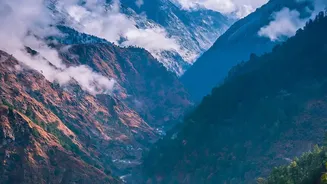
The Allure of an Autumn Escape
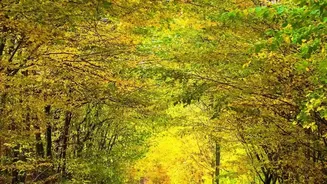
Autumn, spanning from September to November, is arguably the best time to experience Shoja. After the monsoon washes the landscape clean, the air becomes crisp and the skies turn a brilliant, clear blue. This period offers stable weather, making it ideal
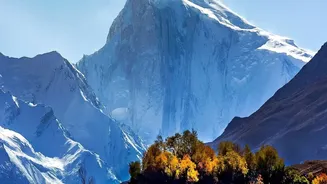
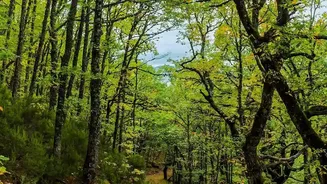
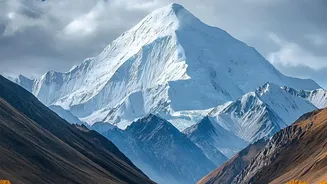
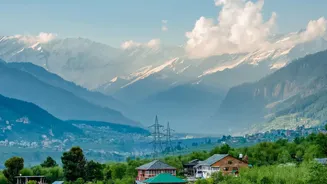
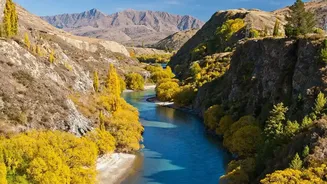
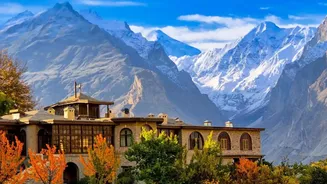
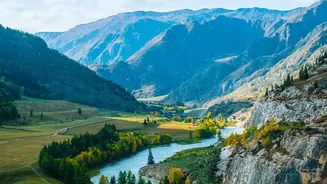
for photography, sightseeing, and trekking. The forests of deodar, oak, and pine that surround the village are tinged with golden and orange hues, creating a picturesque setting. Unlike the summer rush or the harshness of deep winter, autumn provides the perfect balance of pleasant temperatures and breathtaking visibility of the distant Himalayan ranges.
A Sanctuary from the Crowds
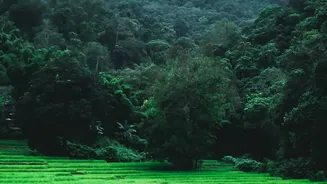
In an era where popular hill stations like Shimla and Manali are grappling with over-tourism, Shoja remains a sanctuary for those seeking genuine peace. It has largely resisted commercialisation, offering a slower, more authentic mountain experience. The village is suited for travellers who prefer the quiet rustle of forest leaves to bustling market streets. Here, the days are defined by nature walks, quiet contemplation, and disconnecting from the digital world. This peaceful atmosphere makes it an ideal destination for solo travellers, couples, and families looking to unwind and reconnect with nature.
Gateway to Majestic Treks and Trails
Shoja serves as a convenient base for some of the region's most rewarding treks. The village is just a short drive from Jalori Pass, a high-altitude pass sitting at over 10,000 feet that connects the Kullu and Shimla regions. From Jalori Pass, two popular trails beckon. One leads to Serolsar Lake, a stunning high-altitude lake surrounded by thick forest. Legends say that not a single leaf ever stays afloat on its crystal-clear water. The other trail takes you to the ruins of Raghupur Fort, which opens up to vast meadows offering a spectacular 360-degree view of the Himalayas.
Experiencing Authentic Himachali Life
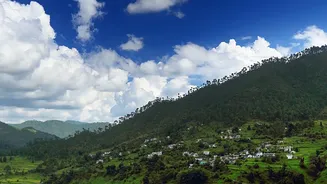
A stay in Shoja is an opportunity to immerse yourself in the local way of life. The village is dotted with traditional wooden houses and warm, welcoming homestays where you can experience genuine Himachali hospitality. It’s a place to enjoy simple pleasures: sipping chai while gazing at snow-capped peaks, tasting simple yet delicious local food, and engaging with the friendly local community. This connection to the local culture and the unhurried pace of village life are central to Shoja's charm.
Planning Your Quiet Getaway
Reaching Shoja requires a road journey, as there is no direct rail or air connectivity to the village itself. The most common route from Delhi or Chandigarh is via Mandi to the Aut tunnel, where you turn off the main Manali highway into the Banjar Valley. Shoja is located a short drive past the more frequented Jibhi. Direct bus services may be available, but it's common to take a bus to Aut and then a local bus or taxi. Accommodation options range from cozy homestays and guesthouses to hostels, catering to different budgets. Given its growing popularity as a quieter alternative, booking your stay in advance, especially for an autumn trip, is recommended.