




The Tangy Allure of Kanji
Kanji is a classic North Indian fermented beverage, traditionally made with black carrots, water, salt, and coarsely ground mustard seeds. Left to ferment in the sun for several days, it develops a distinctive tangy and pungent flavour with a deep, earthy
purple hue. For generations, it has been a seasonal staple, especially during the winter-to-spring transition and the festival of Holi. More than just a flavourful drink, Kanji is a probiotic powerhouse. The fermentation process cultivates beneficial bacteria, primarily Lactobacillus species, which are known to support a healthy gut. This process not only preserves the carrots but also enhances their nutritional profile, making vitamins more bioavailable.
The Coastal Calm of Sol Kadhi
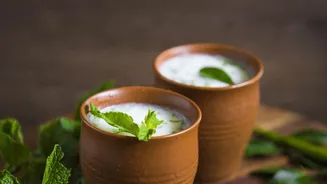
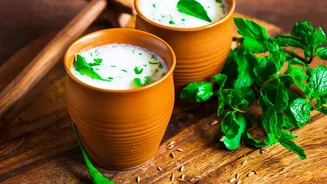
Travel to the coastal regions of Goa and Maharashtra, and you'll find Sol Kadhi, a soothing, pastel-pink drink with deep cultural roots. It is typically served after meals as a digestive. The primary ingredients are coconut milk and the dried rind of the kokum fruit (Garcinia indica), which gives the drink its signature colour and tartness. Often lightly spiced with green chillies, cumin, and garlic, Sol Kadhi is celebrated for its cooling properties, making it a perfect antidote to a heavy meal or a hot day. Traditionally, it is valued in Ayurveda for balancing 'Pitta' dosha, or excess body heat. Rich in antioxidants from kokum, it is known to aid digestion and soothe the stomach.
A Gut Feeling for Wellness
The resurgence of these beverages is directly linked to the global wellness movement and a growing awareness of gut health. Today's health-conscious urban consumers are actively seeking natural, functional foods, and fermented products fit the bill perfectly. The term 'probiotic' has entered the mainstream vocabulary, and people are understanding the critical role a balanced gut microbiome plays in everything from digestion and immunity to overall well-being. Kanji and Sol Kadhi are India's own age-old answers to the kombucha craze. They offer a natural, plant-based source of beneficial bacteria, fibre, and essential nutrients without the high sugar content found in many commercial drinks.
From Kitchens to Cafe Menus
So why are cafes suddenly bottling up these homemade classics? The trend is multifaceted. Firstly, there's a growing consumer demand for beverages with a story and a sense of place. Diners are looking for authentic, clean, and interesting non-alcoholic options. Secondly, these drinks are visually appealing; the vibrant colours of Kanji and Sol Kadhi are perfect for social media, providing organic marketing for the cafes that serve them. Chefs and cafe owners are recognising the value in reviving traditional recipes, offering a taste of Indian heritage that aligns perfectly with modern health trends. This movement is part of a larger rediscovery of India's vast culinary wisdom, which is now being packaged for a new generation.
More Than Just a Health Trend
The return of Kanji and Sol Kadhi signifies more than just a fleeting wellness fad. It represents a cultural reclamation. For years, urban menus were dominated by international trends, but now there is a palpable pride in showcasing local and regional culinary traditions. By putting these drinks on their menus, cafes are not just selling a beverage; they are serving a piece of history and endorsing the time-tested wisdom of Indian kitchens. This shift encourages a connection to seasonal eating and the use of indigenous ingredients, celebrating a food science that has been perfected over centuries. It’s a delicious reminder that sometimes, the most innovative ideas are the ones that have been with us all along.