






Why Your Car Trunk Gets Damp
Before solving the problem, it helps to understand it. That damp feeling in your trunk, or 'dicky' as it's often called, is rarely due to a major flood. More often, it's caused by one of two culprits: condensation or minor leaks. Condensation occurs when
warm, moist air inside the car comes into contact with the cooler metal surfaces of the trunk, causing moisture to form. This is common in humid climates. Alternatively, small amounts of rainwater can seep in through worn-out rubber seals around the trunk lid, tiny gaps around the tail lights, or even through blocked drainage channels designed to guide water away. Over time, this persistent low-level moisture creates a damp environment that can make fabrics feel clammy and develop a musty odour.
The Best Defence: The Dry Bag
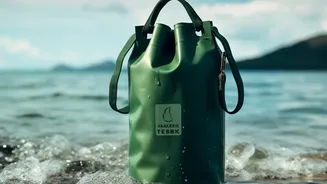
While you can and should investigate the source of any leaks, the most immediate and reliable way to protect your clothes is with a dry bag. Originally designed for watersports like kayaking and rafting, a dry bag is a flexible container made from waterproof material with a simple but highly effective roll-top closure. When sealed correctly, it creates a barrier that moisture cannot penetrate, keeping the contents completely dry even if the surrounding environment is damp. Unlike a regular duffel bag or backpack, which will absorb ambient moisture, a dry bag isolates your clothing, ensuring what you packed dry stays dry. They are the perfect tool for the job, providing total peace of mind.
Choosing the Right Dry Bag
Dry bags come in various sizes and materials, but you don't need a heavy-duty expedition model. For packing clothes in a trunk, look for lightweight nylon or vinyl bags. Size is the most important factor. A small 5 or 10-litre bag is perfect for a change of clothes or essentials, while 20 to 30-litre bags are ideal for a weekend's worth of outfits. Some people even use a set of smaller, colour-coded bags to organise different items like shirts, trousers, and innerwear. The key feature to look for is a classic roll-top closure with a buckle; this design has been proven to be exceptionally effective at keeping water out in countless outdoor adventures.
How to Pack and Seal for Success
Using a dry bag is simple, but doing it correctly is crucial for a perfect seal. First, place your folded clothes inside, being careful not to overstuff the bag. You should leave several inches of empty space at the top. Before sealing, squeeze out as much excess air as possible to make the bag more compact. Next, bring the two sides of the top seam together and fold or roll it down tightly over itself at least three times—this is the magic number for creating a watertight barrier. Finally, bring the two ends of the buckle together and clip them shut. You now have a sealed, air-and-watertight package that will protect your clothes from any trunk dampness.
Extra Tips for a Dry Journey
While a dry bag is your primary solution, you can take a few extra steps. Consider placing one or two reusable moisture-absorbing silica gel packs or charcoal bags in the trunk to help reduce overall humidity. It’s also wise to periodically inspect your trunk's rubber seals for cracks or brittleness and clear any leaves or debris from the channels around the lid. If you're separating wet or dirty clothes from clean ones on your return journey, a dry bag is also perfect for containing odours and dampness from used gym or swimwear, preventing them from making everything else smell musty.