



The Rise of 'Healthy Indulgence'
The primary driver behind this trend is a major shift in consumer mindset. People no longer see health and pleasure as mutually exclusive. Today’s consumer wants to enjoy a sweet treat without derailing their wellness goals. This has created a booming
market for what the food industry calls 'functional foods'—products designed to offer health benefits beyond basic nutrition. In India, the functional foods market is expanding rapidly, driven by a growing middle class, rising health consciousness, and an increased awareness of lifestyle diseases. Consumers are actively seeking out snacks and desserts that align with their health objectives, and brands are responding to this demand for 'better-for-you' products.
From Niche Fitness Fuel to Mainstream Staple
For years, protein was primarily associated with bodybuilders and elite athletes. Now, it has gone mainstream. This shift is partly due to a broader understanding of protein's benefits, such as promoting satiety (the feeling of fullness), which can help manage weight and prevent the energy crashes associated with sugary snacks. As more people adopt active lifestyles, the demand for protein has surged across the board. In India, one quick commerce platform reported a 150% increase in protein orders over two years, with growth spreading from metros to smaller cities like Jaipur and Nagpur. This democratisation of protein has turned it from a specialised supplement into an everyday wellness ingredient found in everything from atta to ice cream.
The Indian Consumer's Protein Awakening
The trend has a unique flavour in India. While recent data shows that average protein consumption is adequate, studies also suggest that a large portion—nearly half—comes from lower-quality sources like cereals. There's a growing awareness of this 'protein gap,' and consumers are actively looking to diversify their protein sources. This has led to a boom in protein-rich products, including dairy items like Greek yogurt and paneer, as well as plant-based options. Brands are tapping into this by launching innovative products, from protein-fortified wafer bars to popped pea chips, often using familiar Indian flavours to appeal to local palates.
The Social Media Effect
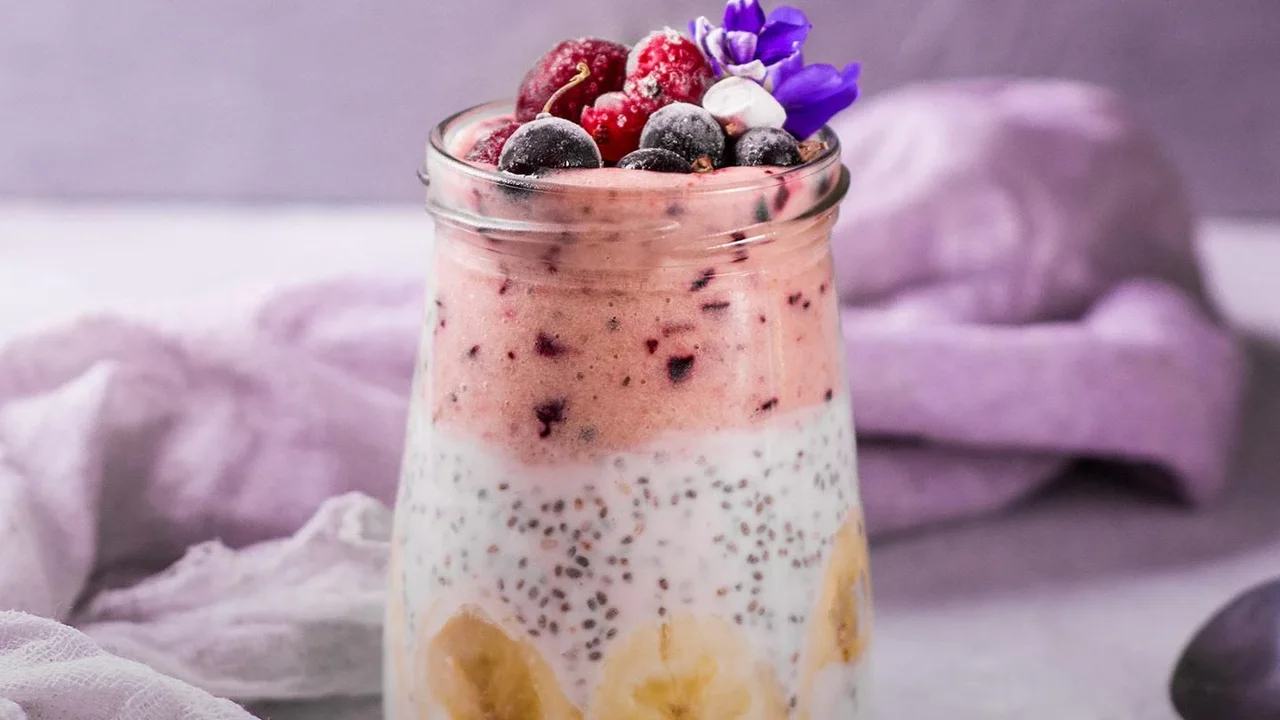
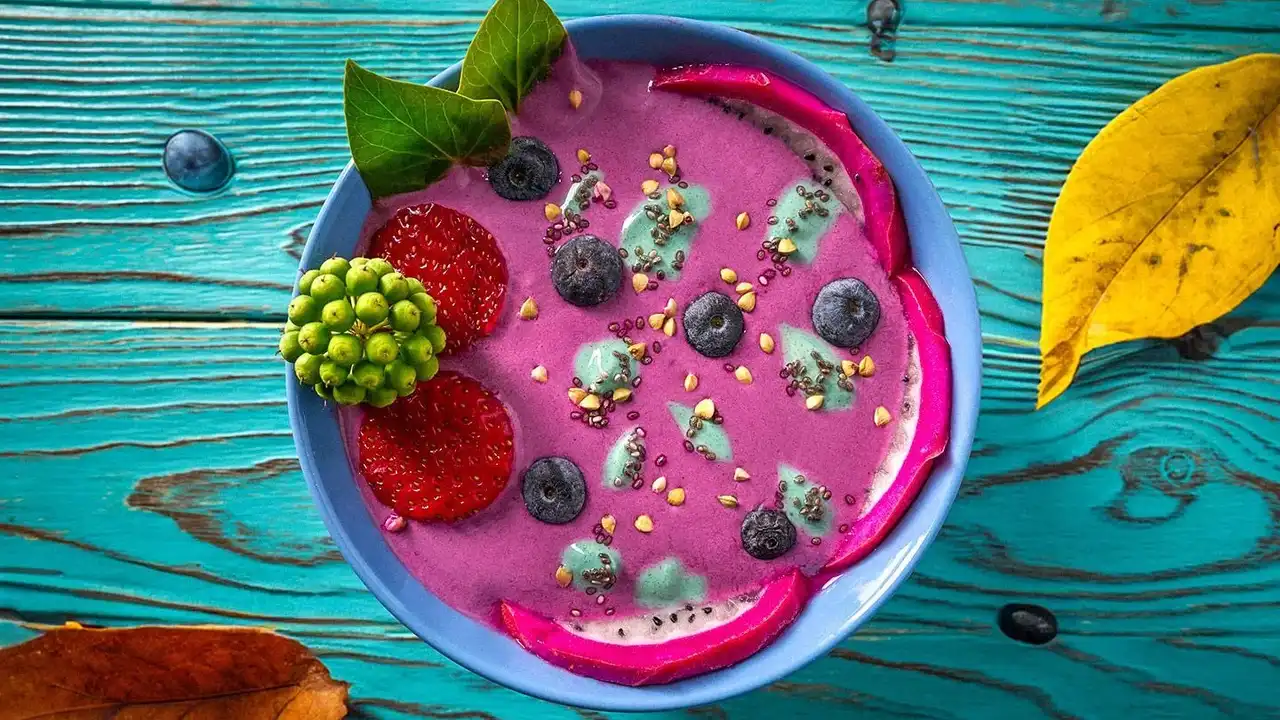
You cannot discount the power of the visual. Social media platforms have become a massive engine for food trends, and protein desserts are no exception. Fitness influencers and food bloggers constantly share aesthetically pleasing photos and recipes for protein-packed treats, promoting them as a guilt-free way to indulge. This online exposure normalises the idea of a 'healthy' dessert and provides consumers with endless inspiration, driving both at-home baking experiments and purchases of packaged goods. Brands leverage this by partnering with nutritionists and fitness experts whose endorsements lend credibility and build trust with health-conscious followers.
But Are They Actually Healthy?
This is the million-rupee question. The short answer, according to dietitians, is: it's complicated. Adding protein to a brownie doesn't magically turn it into a health food. While a protein dessert may be more satisfying and offer more nutrients than its traditional counterpart, it's crucial to look beyond the headline claim. Many of these products can still be high in calories, processed ingredients, or artificial sweeteners. Experts advise consumers to read the entire nutrition label, not just the protein content. The consensus is that while these desserts can be a 'better' choice than a sugar-laden alternative and can fit into a balanced diet, they aren't a free pass to eat unlimited quantities.