





The Trend: A Post-Monsoon Rush
The end of the monsoon signals a significant shift in domestic travel preferences. After months of being closed for regeneration and to avoid treacherous conditions, India's premier national parks are reopening, primarily in October and November. This
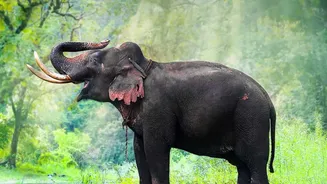
period sees a surge in interest from wildlife enthusiasts eager to witness the rejuvenated landscapes and active fauna. The air is clean, the vegetation is lush, and water bodies are full, drawing out animals and making for excellent sighting opportunities. This growing interest in wildlife circuits is becoming a major driver for tourism, with travellers keen to explore India's natural heritage beyond the usual hotspots.
Jim Corbett National Park, Uttarakhand
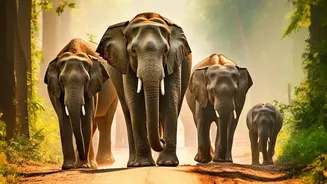
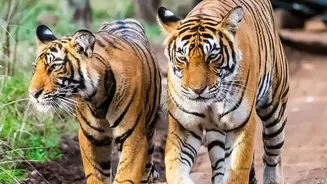
Asia's first national park, Jim Corbett, is a top destination after the rains. While some zones like Jhirna and Dhela remain open for parts of the monsoon, the park's most famous areas begin reopening from mid-October. The Bijrani zone reopens around October 15th, followed by the highly sought-after Dhikala zone in mid-November. Post-monsoon, the Ramganga River flows fully, attracting herds of elephants and offering chances to see gharials. The landscape is brilliantly green, and the crisp air is ideal for birdwatching and searching for the elusive Bengal tiger.
Ranthambore National Park, Rajasthan
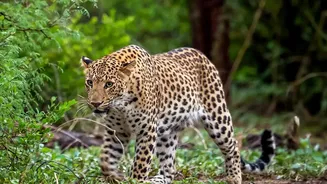
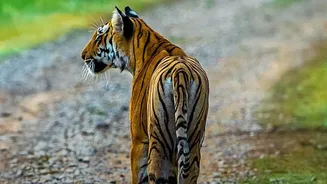
Known for its high density of tigers, Ranthambore is a favourite among wildlife photographers and enthusiasts. The park's main zones (1-5) close during the monsoon but are set to reopen on October 1, 2026. The post-monsoon period offers a dramatic landscape where the ancient Ranthambore fort overlooks lush valleys and replenished lakes. This is an excellent time to spot tigers, leopards, sloth bears, and sambar deer against a vibrant green backdrop, a stark contrast to the dry summer months. Bookings for this popular season open as early as August and fill up fast.
Kaziranga National Park, Assam
A UNESCO World Heritage Site famous for the great one-horned rhinoceros, Kaziranga typically starts reopening in phases as the Brahmaputra's floodwaters recede. While some ranges may open earlier, the park is generally accessible from November 1st. The lush grasslands, refreshed by the monsoon, make it a prime time to see rhinos, elephants, and wild water buffalo. The park has also been enhancing its eco-tourism facilities, with local communities playing a bigger role, offering a more immersive and sustainable visitor experience.
National Parks of Madhya Pradesh
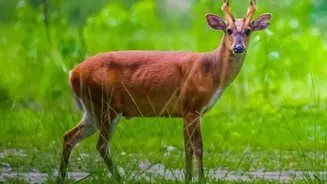
Madhya Pradesh, often called the 'Tiger State', is home to several renowned national parks. Bandhavgarh, Kanha, and Pench National Parks are scheduled to reopen around October 15th or 16th. These parks offer some of the best chances in India to spot tigers. Bandhavgarh is noted for having one of the highest tiger densities. Kanha, the inspiration for Kipling's 'The Jungle Book', boasts stunning meadows and sal forests where one might see the rare barasingha. While the tall grass post-monsoon can make sightings a bit challenging, the vibrant scenery and lower tourist numbers provide a more atmospheric experience.
Periyar National Park, Kerala
Unlike many parks in the north, Periyar in Kerala remains open year-round, but it transforms into a green paradise after the monsoon. The Periyar Lake is the heart of the sanctuary, and boat safaris in the misty post-rain weather are magical. This is one of the best times to see herds of elephants coming to the water's edge to drink. Besides elephants, you can spot sambar deer, wild boar, and a rich variety of birdlife. The cooler, fresher climate makes it an ideal time for guided nature walks and exploring the spice plantations that surround the park.