

The Sticky Truth About Syrups
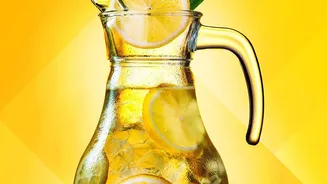
For years, the quick way to make iced tea, both at home and in many cafes, involved a pump of vibrantly coloured syrup. These concoctions are often a mix of sugar or high-fructose corn syrup, water, artificial flavours, and preservatives like sodium benzoate.
While convenient, a growing awareness around wellness has consumers rethinking these sweet shortcuts. The demand is shifting towards cleaner labels and more transparent ingredients, pushing the lurid, factory-made syrups to the back of the shelf in favour of authentic, healthier alternatives. This move is part of a larger trend where people prefer beverages that are less sugary and feel lighter and more refreshing.
The Rise of Natural Infusions
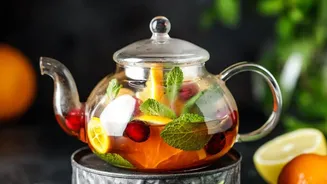
Enter the infusion. Instead of adding a processed flavouring to tea, an infusion uses real, dried botanicals steeped in water to extract their natural taste, aroma, and benefits. It’s a simple, age-old technique that’s making a major comeback. Cafes across India are increasingly experimenting with artisanal infusions, creating signature drinks that highlight local ingredients. This shift isn't just about avoiding artificial additives; it's about creating a beverage with more complexity, character, and a direct link to its natural source. Two ingredients at the forefront of this trend are vetiver and hibiscus, both of which have a rich history in Indian culture.
Vetiver: The Scent of Summer Rain
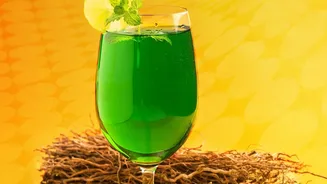
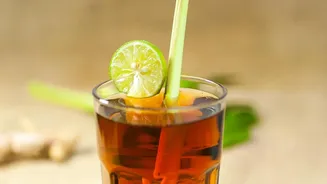
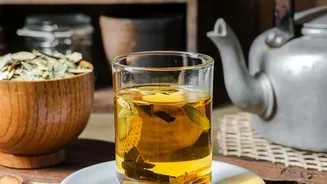
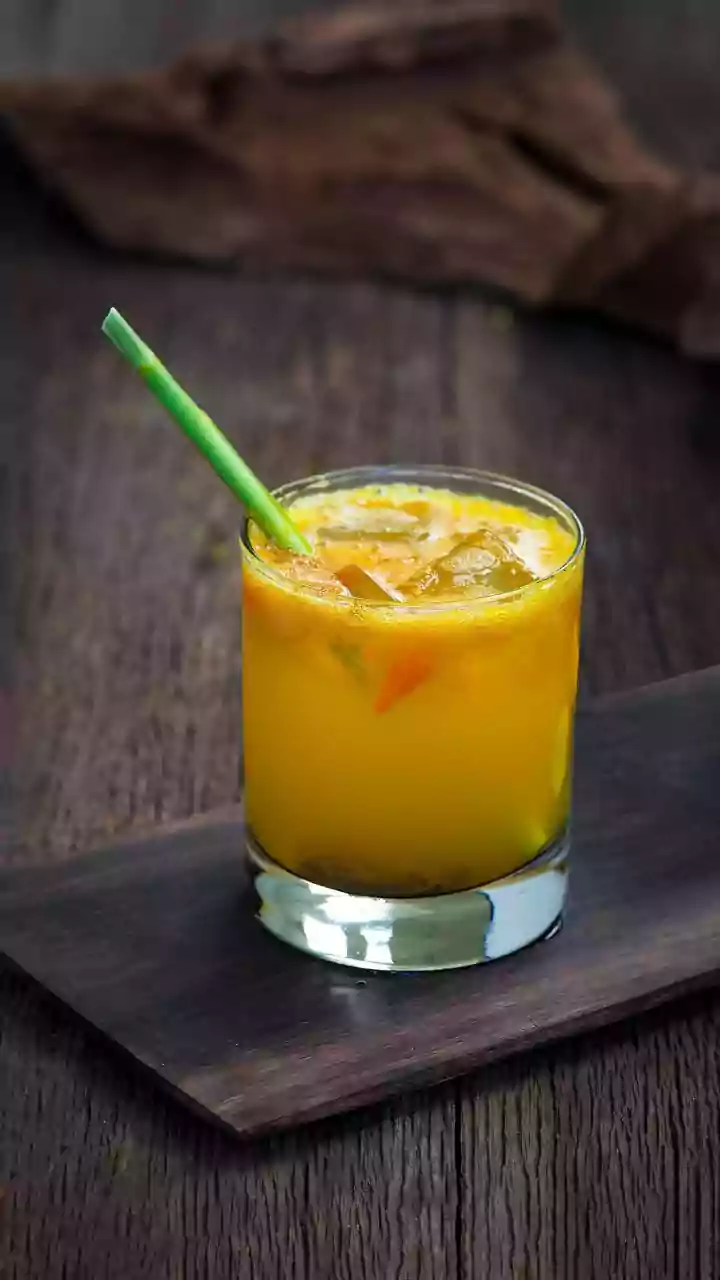
Known as 'khus' in India, vetiver is a fragrant grass whose roots have been used for centuries. Its aroma is distinct: earthy, woody, and reminiscent of the first rains on dry soil—a scent deeply embedded in Indian memory. Traditionally, khus roots were infused in water to create a cooling summer drink that helps combat heatstroke and reduces body heat. Beyond its cooling properties, Ayurveda values vetiver for its calming effects, which can help reduce stress and anxiety. It's also packed with antioxidants. When infused into iced tea, vetiver imparts a sophisticated, grounding flavour that is worlds away from generic fruit syrups, offering refreshment with a dose of traditional wellness.
Hibiscus: A Tart and Tangy Health Boost
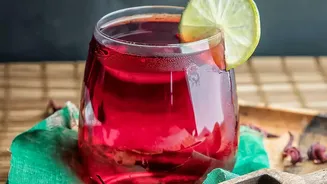
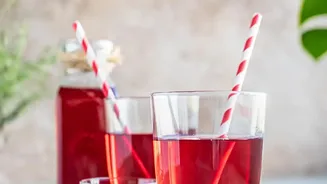
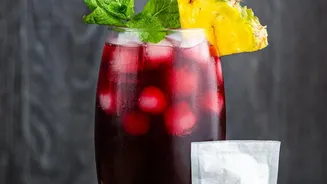
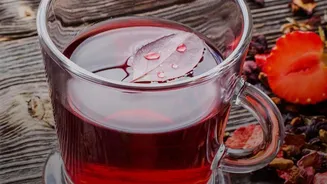
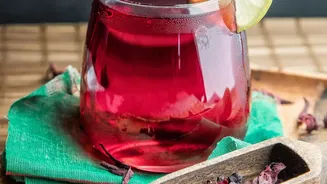
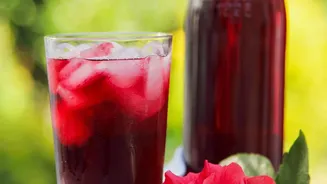
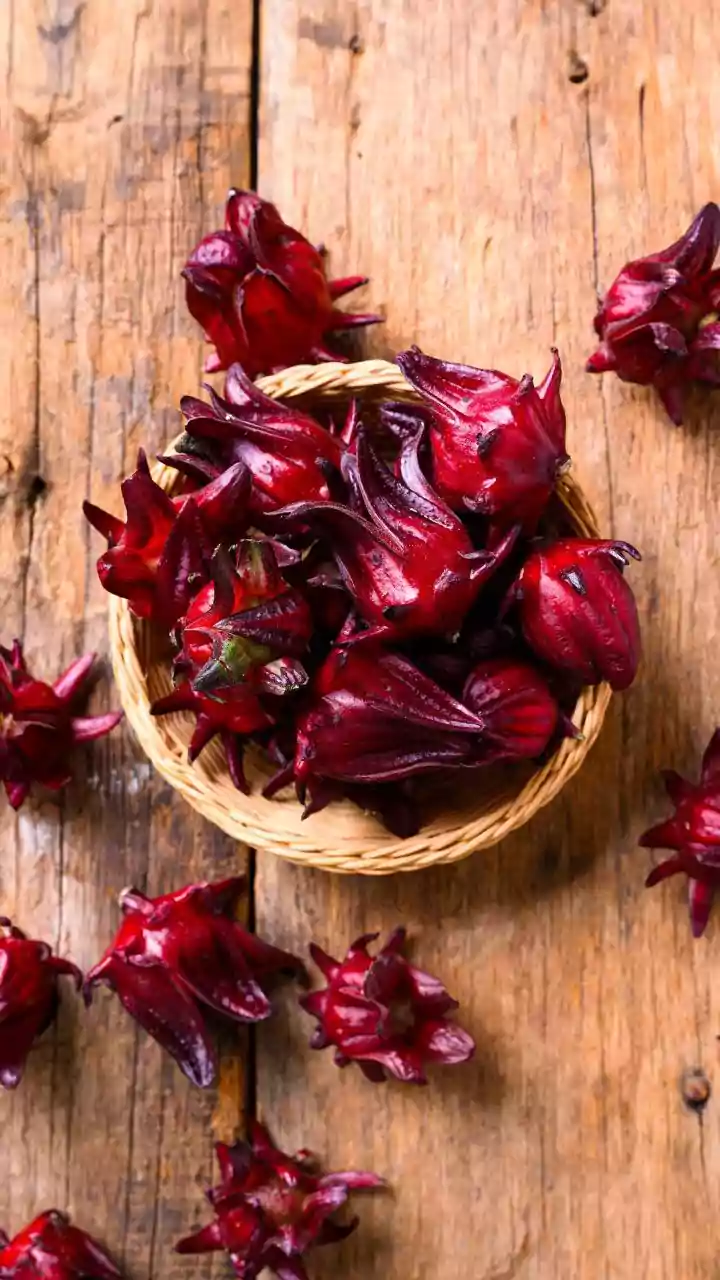
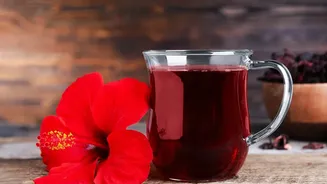
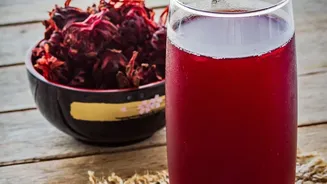
The vibrant red hibiscus flower, or 'gudhal', is another traditional powerhouse finding its place in modern cafes. Often seen in Indian gardens and used in religious ceremonies, hibiscus has long been a part of Ayurvedic practices. Hibiscus tea has a naturally tart, cranberry-like flavour and a stunning ruby hue, making it a feast for the senses. It’s celebrated for being rich in antioxidants like Vitamin C. Studies have also pointed to its potential benefits in helping to lower blood pressure and cholesterol. As an iced tea infusion, its fruity tang provides a refreshing kick that doesn't rely on added sugars, making it a popular choice in health-conscious circles.
A Return to Roots
The growing preference for vetiver and hibiscus infusions is more than just a food trend; it represents a deeper cultural shift. It’s a conscious move towards embracing ingredients that are not only healthier but also hold cultural significance. For generations, Indian households have relied on natural, seasonal ingredients for wellness and refreshment. The revival of these botanicals in a contemporary format like iced tea reconnects a new generation with this wisdom. It’s a modern take on grandmother’s remedies, where wellness and flavour are not mutually exclusive. This trend proves that sometimes the most innovative ideas are the ones that have been with us all along, waiting to be rediscovered.