



The Foundational Deep Clean
The first step in welcoming Ganpati is to thoroughly clean and declutter your home. This act is not just about hygiene; it is seen as a way to purify your space and mind, creating a positive atmosphere for the divine guest. Start a week or so before the festival
to avoid a last-minute rush. Begin by removing items you no longer need, such as old newspapers, broken items, or unused clothes. A decluttered space is easier to clean and makes room for festive decorations. Pay special attention to corners, ceilings, and areas under furniture where dust and cobwebs accumulate. The kitchen, being the heart of festive cooking, requires a deep clean of appliances, countertops, and storage areas. A mixture of baking soda and water can be effective for cleaning stoves and sinks.
Setting Up the Sacred Space
The place where you install the Ganpati idol becomes the focal point of your home. Choose a clean, quiet, and well-lit corner, perhaps in your living room or a dedicated puja room. The platform, or 'chowki', should be covered with a clean red or yellow cloth, as these colours are considered auspicious. When setting up this sacred area, ensure it is safe from flammable materials, especially since diyas and incense will be lit. The idol should ideally be placed facing east or west. By preparing this space with care, you create a serene and respectful environment for worship and family gatherings throughout the festival.
Eco-Friendly Decoration Ideas
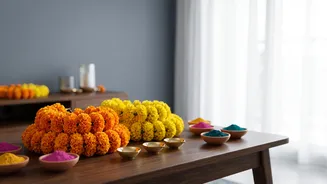
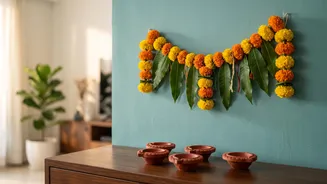
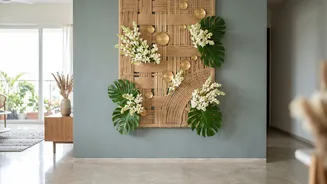
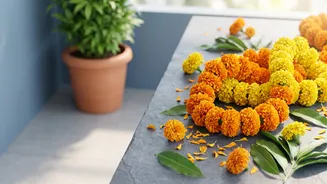
This year, consider embracing sustainable decorations that are both beautiful and kind to the environment. Opt for a Ganesha idol made from natural clay or 'shadu mitti' instead of Plaster of Paris (POP), as clay idols dissolve easily in water and do not pollute water bodies. For the backdrop, use natural materials like banana leaves, or get creative by reusing a beautiful silk saree or colourful dupattas. Fresh flowers like marigolds, hibiscus, and roses add natural fragrance and vibrancy; they can be used for garlands, rangolis, and general decoration. Avoid thermocol and single-use plastics. Instead, you can create DIY decorations using recycled paper, cardboard, and jute, which can be a fun activity for the entire family.
Lighting Up Your Home
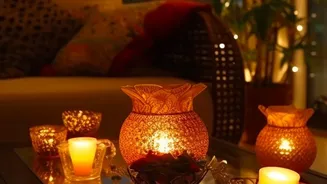
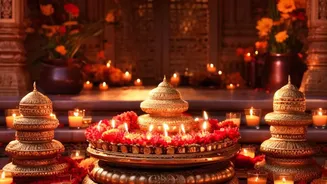
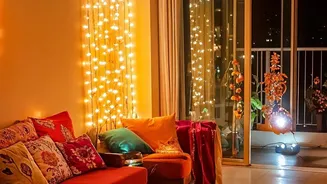
Lighting plays a crucial role in creating a festive ambience. Instead of relying heavily on plastic LED strips, turn to traditional lighting methods. Earthen clay diyas and brass lamps add a warm, traditional glow to the puja area and the entire home. You can arrange them in rows along the mandap base, near the entrance, or as part of a rangoli design. For a modern yet soft touch, fairy lights with warm-white bulbs can be draped behind the backdrop to create a magical effect. Hanging paper lanterns is another eco-friendly way to illuminate the space. For smaller apartments where open flames might be a concern, battery-operated tea lights offer a safe alternative, especially when placed among flowers or fabrics.
Preparing for Daily Rituals
Once the idol is installed (Sthapana), daily worship becomes a central part of the celebration. It's helpful to prepare a checklist of puja essentials in advance. This typically includes a puja thali, fresh flowers, durva grass (which is special to Lord Ganesha), kumkum, turmeric, fruits, and ingredients for making prasad like modaks. Daily rituals usually involve a morning and evening aarti performed with the family. Keeping the puja area clean throughout the festival, offering freshly prepared food, and chanting mantras helps maintain the sanctity of the space. Involving children in simple tasks like offering flowers or singing bhajans is a wonderful way to pass on cultural traditions.