






Beyond the Picture Postcard
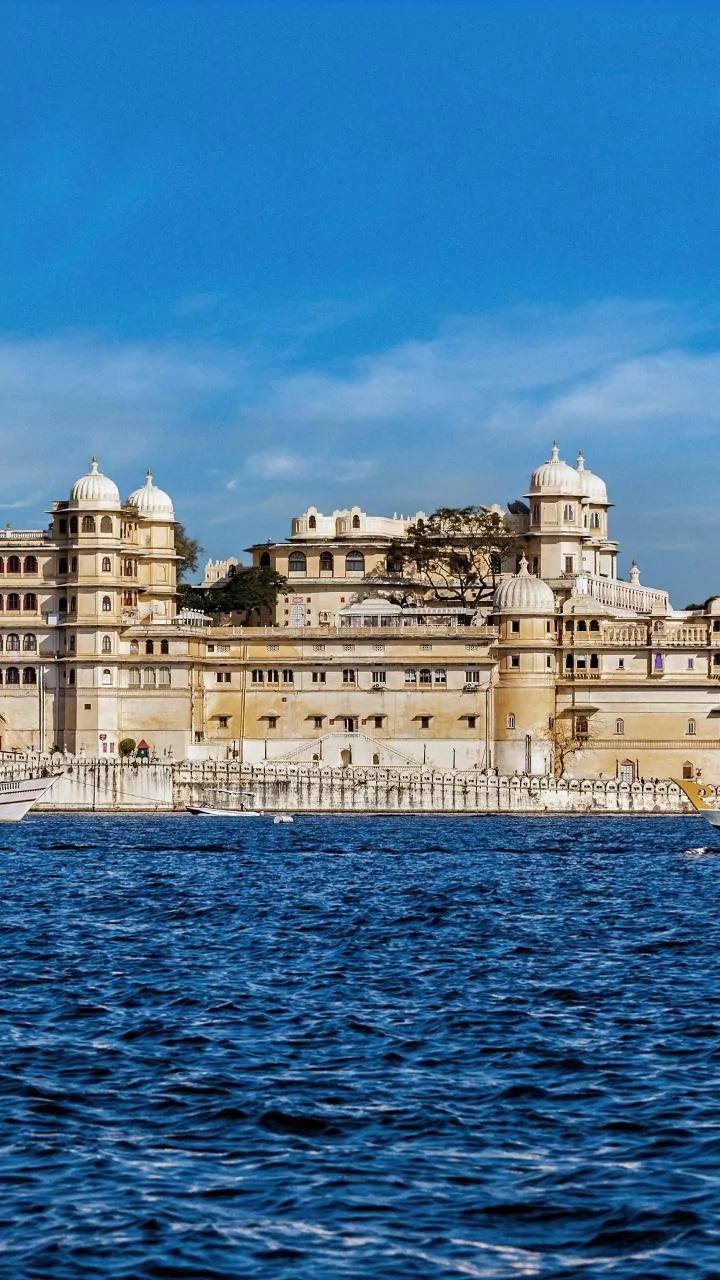
We’ve all been there. You arrive at a world-famous site only to find it overrun, the experience diluted by crowds and commercialism. While iconic landmarks are popular for a reason, they often present a polished, one-dimensional version of a place. This
kind of travel can feel like you’re simply consuming a destination rather than connecting with it. It leaves you with pictures, but few real memories. The alternative is to seek the stories that pulse beneath the surface—the narratives that shaped the city, the legends whispered in market squares, and the personal histories of the people who call it home. This approach transforms a trip from a series of photo opportunities into a genuine exploration.
Following the Narrative Thread
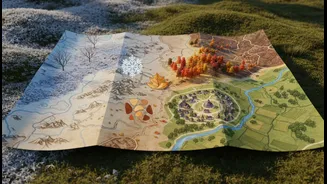
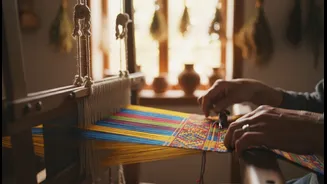
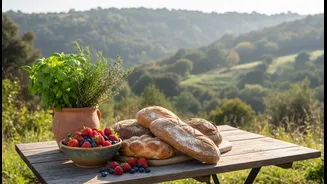
Story-based travel isn't about aimless wandering; it’s about choosing a thread and seeing where it leads. This thread could be anything. It might be tracing the journey of a local craft, from the artisan’s workshop in a quiet village to a bustling city bazaar. It could be following the evolution of a regional dish, learning about its ingredients and the communities that perfected it. Or it might be delving into a piece of local folklore, visiting the places mentioned in the tale and seeing how the story lives on today. This method encourages you to slow down and look closer. Instead of a packed itinerary, you have a purpose—a question you are trying to answer. This turns every street corner and conversation into a potential discovery.
Where the Stories Live
So, how do you find these stories? The best sources are almost always local people. Start by showing genuine curiosity. Visit a neighbourhood cafe or eatery and return a few times; familiarity breeds conversation. Strike up a chat with a shopkeeper, an artisan at a craft fair, or a guide who offers walking tours based on themes like food or mythology. Many cities in India now have organisations that offer storytelling walks or community-based tourism initiatives. These tours are specifically designed to go beyond dates and names, focusing instead on the living culture and personal histories of a place. Staying in locally-owned guesthouses or homestays also provides a direct line to local knowledge and hospitality, offering insights you’d never find in a hotel lobby.
A Walk Through Living History
Imagine, for example, your trip is guided by the story of a specific textile from Rajasthan. Your journey might start in a village, watching artisans block-print fabric with centuries-old techniques. From there, you could follow the supply chain to a market in Jaipur, learning from merchants about the fabric’s economic and cultural significance. This single thread connects you to history, art, commerce, and the daily lives of numerous people. Similarly, community-based tourism projects in states like Sikkim or Nagaland allow travellers to experience rural life firsthand, contributing directly to the local economy and preservation of culture. These experiences are not just authentic; they are participatory. You are no longer just an observer.
The Souvenir You Can't Buy
The reward for this kind of travel is profound. You gain a much deeper understanding of a culture than any guidebook could provide. Navigating without a rigid plan builds adaptability and self-confidence. It fosters authentic human connections that often become the most cherished parts of the trip. You come home not just with photos, but with a unique and personal narrative of your journey—a collection of moments, conversations, and small discoveries that belong only to you. This is the real souvenir: a changed perspective and a deeper appreciation for the world, earned not by visiting, but by connecting.