







Rediscovering Nature's Calendar
For generations, Indian food traditions were deeply connected to the seasons. Our grandparents knew what to eat in summer, winter, or monsoon without needing a diet chart. Meals were naturally adjusted based on weather, local produce, and the body's needs.
Today, after a period of prioritising year-round availability, many are rediscovering this wisdom. Seasonal eating simply means consuming foods that are naturally harvested at a specific time of year in a particular region. It’s about choosing mangoes in summer, mustard greens in winter, and corn during the monsoon—eating foods when they are at their freshest and most abundant.
Peak Flavour and More Nutrients
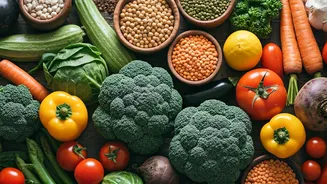
There's a scientific reason why a summer tomato tastes infinitely better than a winter one. Produce that is picked at its peak ripeness, when it's naturally in season, is more flavourful and nutrient-dense. Fruits and vegetables start losing nutrients the moment they are harvested. Out-of-season produce is often picked early, transported long distances, and sometimes artificially ripened, which diminishes its nutritional value. For instance, research has shown that in-season broccoli can have nearly double the Vitamin C content of its off-season counterpart. By eating seasonally, you consume foods closer to their harvest time, ensuring you get the maximum amount of vitamins, minerals, and antioxidants.
Good for Your Wallet
Choosing seasonal food is also a financially savvy move. When fruits and vegetables are in season, they are abundant. This plentiful supply naturally drives down prices, making them more affordable. The costs associated with long-distance transportation, extended refrigeration, and artificial growing methods for off-season produce are often passed on to the consumer. By contrast, shopping for what's plentiful at your local market means you can enjoy fresh, high-quality food without straining your budget. It's a simple case of supply and demand working in your favour.
A Kinder Choice for the Planet
The environmental benefits of eating seasonally are significant. Consuming local, seasonal produce dramatically reduces "food miles"—the distance food travels from farm to plate. This reduction in transportation lowers greenhouse gas emissions and our overall carbon footprint. Furthermore, out-of-season crops often require energy-intensive methods like heated greenhouses and artificial lighting to grow. Seasonal crops, adapted to the local climate, typically need less irrigation and fewer chemical inputs. Supporting local farmers who grow seasonal produce also encourages sustainable agricultural practices like crop rotation, which improves soil health and biodiversity.
How to Eat Seasonally in India
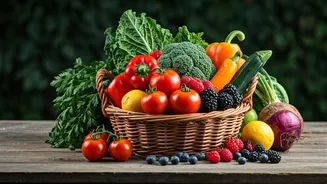
Embracing a seasonal diet is simpler than it sounds. It begins with being mindful of what's growing now. A trip to a local sabziwala or farmers' market is a great start. They are often the best source for fresh, local produce. Pay attention to what's abundant and well-priced. In India, the seasons offer a rich variety: Summer (March-June): Enjoy cooling foods like watermelon, cucumber, bottle gourd, and the king of fruits, the mango. Monsoon (July-September): Opt for produce like bitter gourd, corn, pears, and jamun, which are traditionally believed to support immunity. Winter (October-February): This is the season for nourishing leafy greens like spinach and fenugreek, vibrant root vegetables like carrots and beets, and citrus fruits like oranges.