

The Myth: Arashiyama Bamboo Grove, Kyoto
The photo is iconic: a serene path winding through a cathedral of towering green bamboo stalks. The reality is a short, narrow path packed shoulder-to-shoulder with thousands of other tourists, all vying for that same photo. The serene atmosphere you
imagined is often shattered by the sheer volume of people. The path itself is surprisingly brief, and unless you arrive at dawn, you'll spend more time navigating crowds than soaking in the natural beauty.
The Alternative: Adashino Nenbutsu-ji Temple, Kyoto
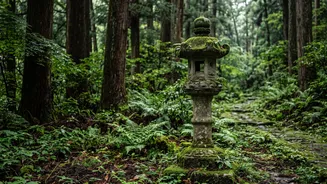
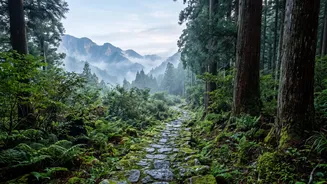
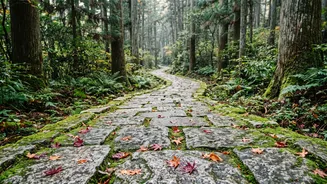
Just a 20-minute walk from the main grove lies Adashino Nenbutsu-ji, a temple with its own beautiful, and significantly quieter, bamboo path. This location is famous for its 8,000 stone statues that honor the souls of the forgotten, creating a profoundly moving and atmospheric setting. Here, you can experience the beauty of a bamboo grove in the peaceful, contemplative environment it deserves, without the relentless crowds. For an even deeper dive, Jizo-in Temple, nicknamed 'the bamboo temple', offers an intimate and refined alternative.
The Myth: Tokyo Skytree, Tokyo
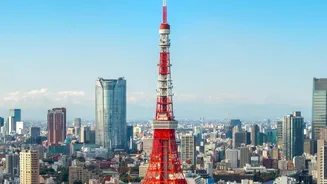
As the tallest structure in Japan, the Skytree promises unparalleled 360-degree views. However, this comes with a hefty price tag, long queues, and observation decks that can be frustratingly crowded, making it hard to get a clear view. The experience can feel more like a rushed, expensive obligation than a breathtaking moment. Plus, the one thing missing from a photo taken at the Skytree is, of course, the Skytree itself.
The Alternative: Tokyo Metropolitan Government Building
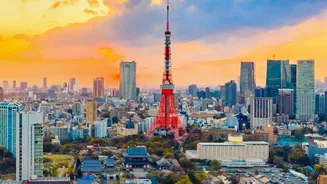
For a stunning panoramic view of the city that costs absolutely nothing, head to the Tokyo Metropolitan Government Building in Shinjuku. Its observatories on the 45th floor sit 202 meters high and offer incredible vistas that, on clear days, include a magnificent view of Mount Fuji. The experience is more relaxed, the queues are shorter (if there are any at all), and you get to see the full skyline, including iconic towers like the Skytree, as part of the scenery. It delivers 90% of the view for 0% of the cost.
The Myth: Dotonbori for Dinner, Osaka
Dotonbori is an electrifying spectacle of neon lights, giant mechanical crabs, and the famous Glico Running Man sign. It's a must-see sight, especially after dark. However, many locals and seasoned travelers argue it's a poor place to actually eat dinner. The famous restaurants often have long lines and serve food that is priced for the location rather than for quality, feeling more like a mass-market food court than the culinary heart of 'Japan's Kitchen'.
The Alternative: Shinsekai or Hozenji Yokocho
To experience Osaka's incredible food culture, step just a few blocks away from the main Dotonbori strip. For a nostalgic, slightly grittier vibe, head to Shinsekai. This district, centered around the Tsutenkaku Tower, is famous for its kushikatsu (deep-fried skewers) and retro charm. For a more intimate experience, duck into Hozenji Yokocho, a narrow, lantern-lit stone alleyway near Dotonbori filled with tiny, traditional restaurants and bars. It offers the atmospheric magic without the overwhelming tourist crush.
The Myth: The Golden Pavilion (Kinkaku-ji), Kyoto
There's no denying the beauty of a golden temple shimmering over a tranquil pond. Yet Kinkaku-ji is another top-tier site that suffers from its own fame. You're guided along a set path with a large crowd, making it difficult to find a moment of peace. The experience can feel like being on a conveyor belt, where you're pushed along to take the same photo as everyone else before being ushered towards the exit. It's beautiful, but rarely a tranquil or personal experience.
The Alternative: The Silver Pavilion (Ginkaku-ji) or other Zen Gardens
For a more serene and arguably more profound Zen experience, visit Ginkaku-ji, the Silver Pavilion. While it was never actually covered in silver, its understated beauty, meticulously raked sand garden, and beautiful moss grounds offer a more contemplative atmosphere. It invites you to slow down and appreciate the subtleties of Japanese garden design. Alternatively, Kennin-ji, Kyoto's oldest Zen temple, sits right in Gion but remains surprisingly peaceful, offering stunning dragon paintings and quiet gardens to reflect in.