



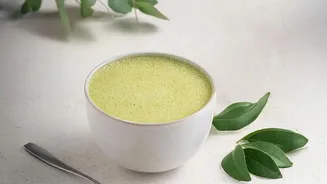


The Ancient Power of Ginger
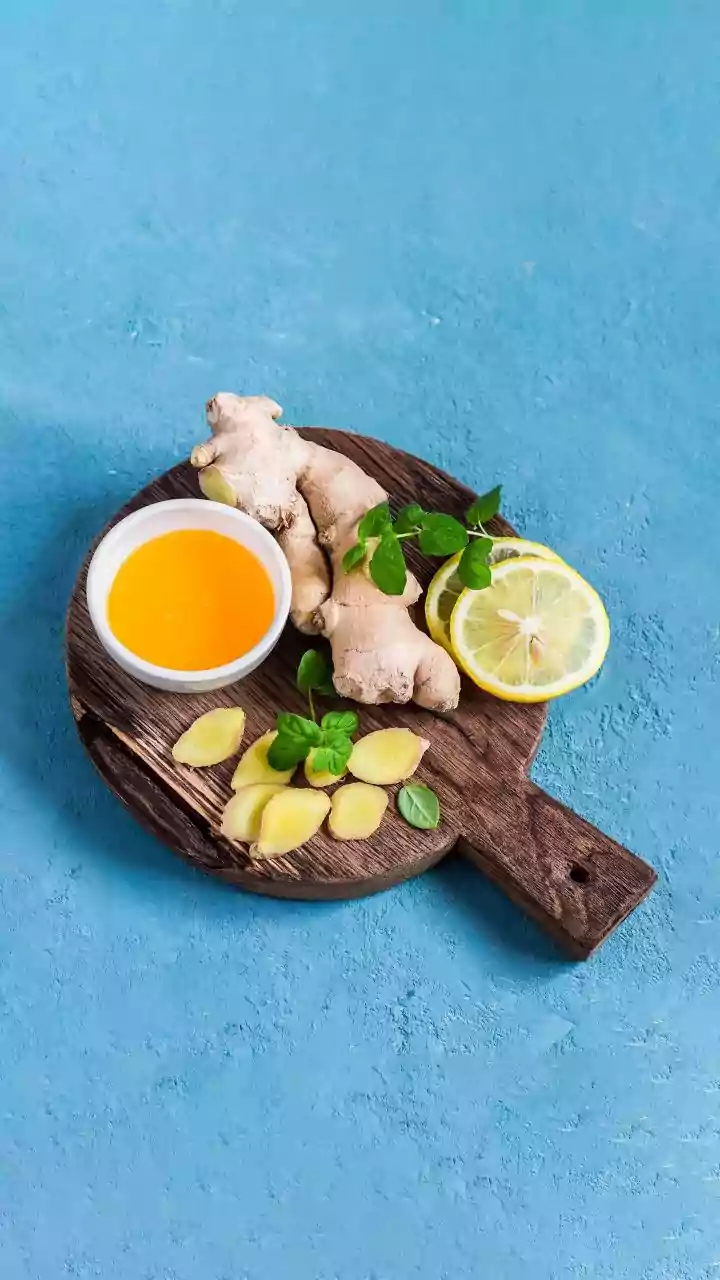
Ginger is more than just a kitchen spice; it's a root that has been celebrated for its medicinal properties for thousands of years. Its primary active compound, gingerol, is the source of many of its health benefits. One of ginger's most well-known uses
is for digestive support. It can help soothe an upset stomach, ease nausea, and reduce bloating by promoting the efficient movement of food through the gastrointestinal tract. Research suggests that ginger's anti-inflammatory properties may help alleviate pain, from menstrual cramps to the joint stiffness associated with arthritis. It's also packed with antioxidants that help support your immune system, making it a valuable ally during cold and flu season. Its natural warming quality is especially comforting, helping to clear congestion and soothe a sore throat.
Why Almond Milk Is the Perfect Base
The creamy, nutty flavour of almond milk makes it an ideal partner for the spicy warmth of ginger. As a plant-based beverage, it's naturally lactose-free, making it a great choice for those with dairy sensitivities or who follow a vegan diet. Unsweetened almond milk is also low in calories and carbohydrates, so it won't cause a spike in blood sugar levels. While not as protein-rich as dairy milk, many commercial brands are fortified with calcium and vitamin D, which are crucial for maintaining strong bones. Almond milk also naturally contains vitamin E, an antioxidant that contributes to skin and heart health. Its smooth texture creates a satisfyingly rich drink without the heaviness of dairy cream, allowing the soothing properties of the ginger to shine through.
How to Create Your Soothing Elixir
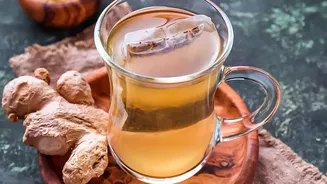
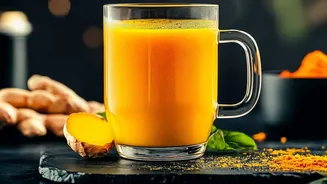
Making this comforting drink is wonderfully simple. All you need is fresh ginger, your favourite almond milk, and an optional sweetener. Start with a one-inch piece of fresh ginger root. You can either slice it into thin rounds or grate it finely. Grating the ginger will release more of its potent flavour and beneficial compounds. In a small saucepan, combine one cup of almond milk with your prepared ginger. Heat the mixture over medium-low heat, being careful not to let it come to a rolling boil, which can cause the almond milk to separate. A gentle simmer for about 5 to 10 minutes is perfect. This gives the ginger enough time to infuse the milk with its characteristic warmth and spice. Once heated, carefully strain the milk into a mug to remove the ginger pieces. If you prefer a touch of sweetness, now is the time to stir in a small amount of honey, maple syrup, or a pitted date.
Customise Your Cup of Comfort
The basic ginger and almond milk recipe is a fantastic starting point, but it's also a versatile base for other warming spices. For an extra anti-inflammatory boost, add a quarter teaspoon of turmeric along with a pinch of black pepper, which helps your body absorb the turmeric's benefits. A sprinkle of cinnamon can add a touch of sweetness and may help regulate blood sugar. Other complementary spices include a pinch of nutmeg, a couple of whole cloves, or a cardamom pod, which can transform the drink into a fragrant, chai-like beverage. For a richer, more decadent treat, a teaspoon of coconut oil can be whisked in for added creaminess. You can even add a few strands of saffron for its mood-enhancing properties. Experimenting with these additions allows you to tailor the drink to your personal taste and wellness needs.
A Moment of Caution
While ginger is safe for most people in moderate amounts, consuming it in very large quantities can sometimes lead to mild side effects like heartburn or stomach discomfort. Because ginger can have blood-thinning properties, individuals taking anticoagulant medications should consult their doctor before making ginger a regular part of their diet. Experts also advise caution during pregnancy, suggesting that it's best to speak with a healthcare provider before consuming large amounts of ginger. As with any home remedy, listening to your body is key. Enjoy this drink as a comforting ritual, but be mindful of how you feel and stick to moderate consumption, typically considered to be under 4-5 grams of ginger per day.