

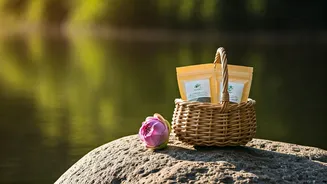
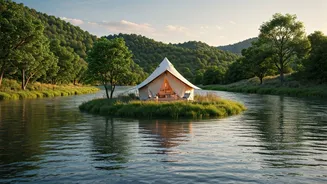



What Is Slow Travel, Exactly?
Forget the idea of a frantic, ten-cities-in-ten-days tour. Slow travel is a mindset that prioritises connection—to local people, to culture, to food, and to yourself. It’s the opposite of checklist tourism, where the goal is to tick off as many landmarks
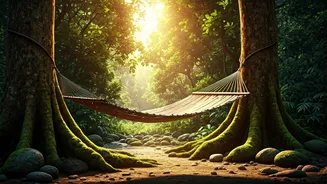
as possible. Instead of rushing to see the highlights, you choose a single location—a neighbourhood, a village, or a small region—and explore it deeply. It's about swapping the aeroplane for a train, the hotel chain for a local homestay, and the packed itinerary for spontaneous afternoons spent in a local café. The 'slow' part isn't just about the pace; it’s about making conscious, meaningful choices that lead to a richer, more immersive experience.
Why Is Everyone Talking About It Now?
The rise of slow travel is a direct reaction to the pressures of modern life. In a world of constant digital notifications and work-from-home burnout, the idea of a truly restorative holiday has become more appealing than ever. The pandemic played a significant role, forcing many to re-evaluate their priorities and seek more meaningful connections. There’s also a growing awareness of the negative impacts of over-tourism on both the environment and local communities. Travellers are increasingly looking for sustainable alternatives that allow them to give back, rather than just take. Slow travel aligns perfectly with this shift, promoting a more mindful and responsible way of seeing the world. It’s less about escaping your life and more about enriching it.
The Real Benefits of Taking It Slow
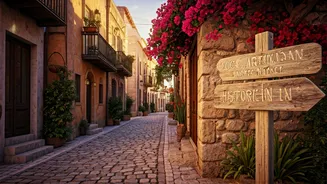
The most immediate benefit is a dramatic reduction in stress. Without the pressure of a tight schedule, you can actually relax and be present. This approach leads to more serendipitous discoveries—the hidden alleyway, the family-run restaurant with the best thali, the artisan shop not listed in any guidebook. By staying in one place, you gain a deeper understanding of the local culture and way of life, moving from a tourist to a temporary local. This often translates to more authentic interactions and lasting memories. Financially, it can be surprisingly budget-friendly. Staying longer in one place often means access to weekly rental rates, and cooking some of your own meals with market-fresh ingredients can save a fortune. Environmentally, reducing air travel and supporting local businesses creates a much smaller footprint.
How to Plan Your First Slow Trip
You don't need to take a month off to embrace slow travel. It’s a philosophy you can apply to any trip, even a long weekend. 1. **Pick One Base:** Instead of city-hopping, choose one town or even one neighbourhood as your base. Rent an apartment or find a homestay to get a feel for local life. 2. **Use Local Transport:** Take the local bus, a train, or simply walk. It forces you to see the landscape between destinations and interact with people along the way. 3. **Ditch the Itinerary:** Plan your first day, but leave the rest open. Let your curiosity guide you. Ask a shopkeeper for their favourite lunch spot or a local for the best walking trail. 4. **Connect with the Community:** Visit a local market, take a cooking class, or volunteer for a few hours. These activities create genuine connections that a museum visit rarely can. 5. **Unplug (Mostly):** While you might need your phone for maps, try to limit your social media time. The goal is to be present where you are, not to perform your vacation for an online audience.