



The Psychology of a Safe Space
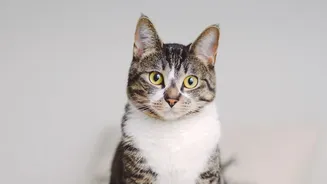
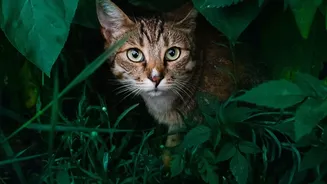
For a cat, hiding is not just a sign of fear; it's a natural, healthy behavior rooted in their dual identity as both predator and prey. In the wild, a secure hiding spot allows a cat to rest deeply, observe its territory without being seen, and feel safe
from potential threats. This instinct doesn't disappear just because they live indoors. Providing a designated sanctuary allows them to de-stress, regulate their emotions, and simply get away from the household commotion. It’s a place of control, giving them the confidence to be more social and engaged when they emerge.
Reading the Signs of Stress
A cat without adequate private space can become chronically stressed. While some signs are obvious, others are subtle. Watch for behavioral changes like hiding in unusual or inappropriate places, decreased appetite, or sudden aggression towards people or other pets. Other red flags include over-grooming to the point of creating bald spots, or changes in litter box habits, such as urinating outside the box. These aren't acts of defiance; they are often cries for help, indicating that your cat feels insecure and needs a safer, more predictable environment.
Think Vertically, Not Just Horizontally
In a busy apartment, floor space is prime real estate. The key is to start thinking vertically. Cats instinctively feel safer in high places where they can survey their domain from a secure vantage point. This is why you might find your cat on top of the refrigerator or a bookshelf. You can work with this instinct by providing cat-friendly vertical territory. Tall, multi-level cat trees are an excellent investment, offering perches, scratching surfaces, and often an enclosed cubby all in one. Wall-mounted shelves or perches can create a 'cat highway' that expands their world without taking up a single square foot of your living area.
Low-Cost, High-Impact Sanctuaries
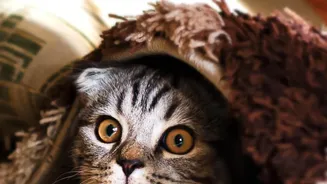
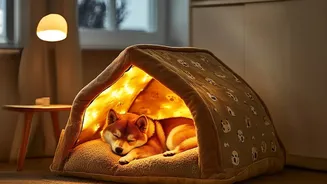
Creating a haven for your cat doesn't require a major budget. Often, the simplest solutions are the most effective. The humble cardboard box is a well-known cat favorite for a reason: it's enclosed, dark, and offers a sense of security. You can easily upgrade one by turning it on its side and placing a soft blanket inside. Consider draping a blanket over a side table to create an instant 'cat cave.' Another option is to clear a small space on a low bookshelf and make it a designated cat zone. Even leaving your curtains slightly parted can create a hidden nook behind them for your cat to feel secure while watching the world go by.
Location, Location, Location
Where you place these hiding spots is just as important as what they are. A sanctuary in the middle of a high-traffic hallway won't provide much peace. Choose quiet corners of your home where your cat can retreat without being constantly disturbed. A corner of your home office or bedroom is often a better choice than the main living area. Ideally, the spot should still allow them to subtly observe household activities. This lets them feel part of the family group while maintaining a safe distance, giving them the best of both worlds.
Respecting the Sanctuary
Once you've created these havens, the most important rule is to respect them. A hiding place is your cat’s safe zone, not a storage area for your belongings or a place for children or guests to reach into. Never pull your cat out of their hiding spot. This breaks their trust and negates the entire purpose of the space. Teach everyone in the household that when the cat is in their spot, they are off-limits. This rule ensures the space remains a true sanctuary, helping your cat feel secure and strengthening their bond with you.