





More Than Just Anti-Fast Food
When you hear ‘Slow Food’, it’s easy to think of its opposite: the globalised, homogenous world of fast food. While the movement did begin in 1986 as a protest against a McDonald's opening near the Spanish Steps in Rome, its founder, Carlo Petrini, envisioned
something far more profound. Slow Food is not simply about taking longer to cook. It’s a comprehensive philosophy built on three core principles: that food should be good, clean, and fair. ‘Good’ refers to being flavourful, seasonal, and a pleasure to eat. ‘Clean’ means it is produced in a way that does not harm the environment, animal welfare, or our health. And ‘fair’ signifies that the producers, from farmers to artisans, receive fair compensation and respect for their work. It’s a call to arms against the industrial food system that prioritises efficiency and profit over taste, sustainability, and human dignity.
The Indian Connection We Forgot
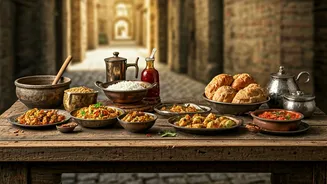
For many in India, this philosophy might sound strikingly familiar. It mirrors the way our grandparents and their ancestors ate for generations. Think of the emphasis on seasonal vegetables from the local mandi, spices ground at home, and regional recipes that evolved over centuries to suit the local climate and harvest cycles. From the elaborate Sadya in Kerala, celebrating the local harvest, to the winter abundance of Sarson da Saag in Punjab, traditional Indian food culture is inherently ‘slow’. For decades, however, urbanisation and the push for convenience led many to embrace processed foods and a globalised palate. The principles of slow, mindful cooking were often seen as old-fashioned or impractical for modern life. But now, the pendulum is swinging back. What was once common sense is being rediscovered as a conscious, aspirational lifestyle choice.
Why the Sudden Resurgence?
Several factors are fuelling this renewed interest. The global pandemic played a significant role. Confined to our homes, many of us reconnected with our kitchens, experimenting with recipes and becoming more conscious of where our food came from. This period ignited a widespread interest in boosting immunity and overall wellness, leading people to question the nutritional value of mass-produced foods. Simultaneously, concerns about climate change and sustainability have entered the mainstream. Consumers are increasingly aware of the environmental cost of industrial agriculture, from high water usage to the carbon footprint of long-distance food transport. The Slow Food ideal of supporting local, small-scale farmers offers a tangible, positive alternative. It’s a vote for biodiversity and a smaller environmental impact with every meal.
From Niche to Mainstream
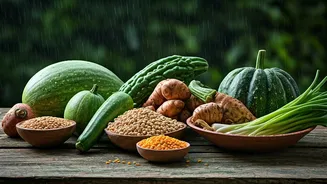
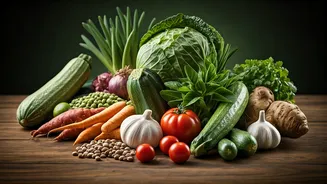
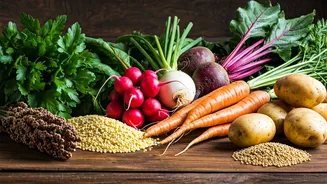
This isn't just a home-cooking trend; it's visible across India's culinary landscape. Farmers' markets, once a weekend novelty in metro cities, are now thriving hubs connecting urban consumers directly with growers. Organic produce delivery services have boomed, offering curated boxes of seasonal, locally sourced vegetables. High-end restaurants and trendy cafes are also championing the cause. Chefs are building their menus around indigenous ingredients, forgotten grains like millet and amaranth, and hyper-local produce. This ‘farm-to-table’ ethos is no longer a gimmick but a mark of quality and creativity, celebrating the unique flavours of a specific region. It's a delicious form of cultural preservation, putting heirloom tomatoes and native greens back on the map.
How to Embrace the Slow Life
Adopting a Slow Food mindset doesn't require a radical overhaul of your life. It can start with small, deliberate choices. Instead of heading to the supermarket, try visiting a local vegetable vendor and asking what's in season. Plan one meal a week around a traditional family recipe that takes time and care to prepare. When you eat, put your phone away and focus on the textures and flavours. It's about shifting your perspective from seeing food as mere fuel to appreciating it as a source of pleasure, culture, and connection.