







The Limitations of a Static CV
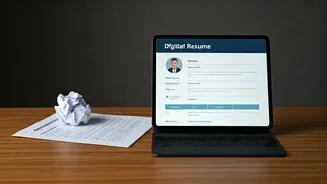
For decades, the curriculum vitae has been the key to unlocking career opportunities. It’s a neat, tidy summary of your work history, education, and skills. But in today’s digital-first world, it’s also incredibly limiting. A paper or PDF resume is a flat,
one-dimensional document. It tells a recruiter what you’ve done, but it rarely shows them *how* you did it. It can list ‘Project Management’ as a skill, but it can’t display the complex project you successfully navigated. It can mention ‘Graphic Design’, but it can’t immerse a potential employer in your creative portfolio. In a sea of black-and-white text documents that all follow the same format, the traditional CV makes it difficult to convey personality, passion, and the real-world impact of your work.
Your Website: The Ultimate Career Story
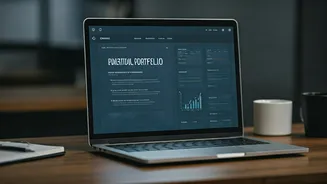
A personal portfolio website is the modern answer to the static CV. Think of it not as a document, but as your personal professional headquarters online. It’s a space you own and control, allowing you to build a narrative that goes far beyond a bulleted list of job duties. Here, you can tell your story. You can use visuals, case studies, and detailed project descriptions to bring your accomplishments to life. A portfolio website allows you to demonstrate your expertise rather than just claiming it. It shows initiative, a key soft skill that every employer values. It proves you are digitally savvy and serious about managing your personal brand. For recruiters who spend mere seconds scanning a CV, a link to a compelling, well-designed website is an invitation to engage more deeply with your candidacy.
What Recruiters Actually Want to See
Hiring managers are looking for proof. While your CV lists your experience, your portfolio provides the evidence. For creative professionals—designers, writers, photographers, and artists—this is non-negotiable. But the trend is expanding rapidly into other fields. Coders and developers use platforms like GitHub, but a personal site can contextualise their projects. Marketers can showcase successful campaigns with metrics and visuals. Product managers can detail the lifecycle of a product they shipped. Even consultants and analysts can present public-facing case studies or white papers. A strong portfolio site typically includes a clear and concise 'About Me' section, detailed case studies of your best work (explaining the problem, your process, and the result), testimonials from previous clients or managers, and easy-to-find contact information.
Essential Elements of a Great Portfolio
Building a portfolio website doesn’t have to be daunting. Focus on a few key components to make it effective. First, a compelling homepage that immediately explains who you are and what you do. This is your digital handshake. Second, a curated selection of your best work. Don't include everything; choose 3-5 projects that best represent your skills and the type of work you want to do next. For each project, create a mini-case study. Third, an 'About' page that tells your professional story with a bit of personality. Add a professional photo to build a human connection. Finally, a clear call to action. Make your contact information or a link to your LinkedIn profile prominent so interested recruiters know exactly how to reach you.
How to Get Started Today
The barrier to entry for creating a website is lower than ever. You don’t need to be a coder to build a beautiful, functional site. Platforms like Squarespace, Wix, and Carrd offer intuitive drag-and-drop interfaces and professional templates for a monthly fee. For those on a tighter budget, options like WordPress.com or even Google Sites can be a great starting point. If you are a developer, using GitHub Pages is a free and effective way to host a site that also showcases your technical skills. The key is to start now. Your first version doesn't need to be perfect. Choose a simple template, write your bio, and upload one or two of your proudest projects. You can refine and add to it over time. The most important step is getting it live.