


Your Eyes Are a Time Machine
It sounds like science fiction, but it’s a fundamental truth of our universe. Light, though incredibly fast, travels at a finite speed—about 300,000 kilometres per second. For objects here on Earth, that speed makes light seem instantaneous. But when
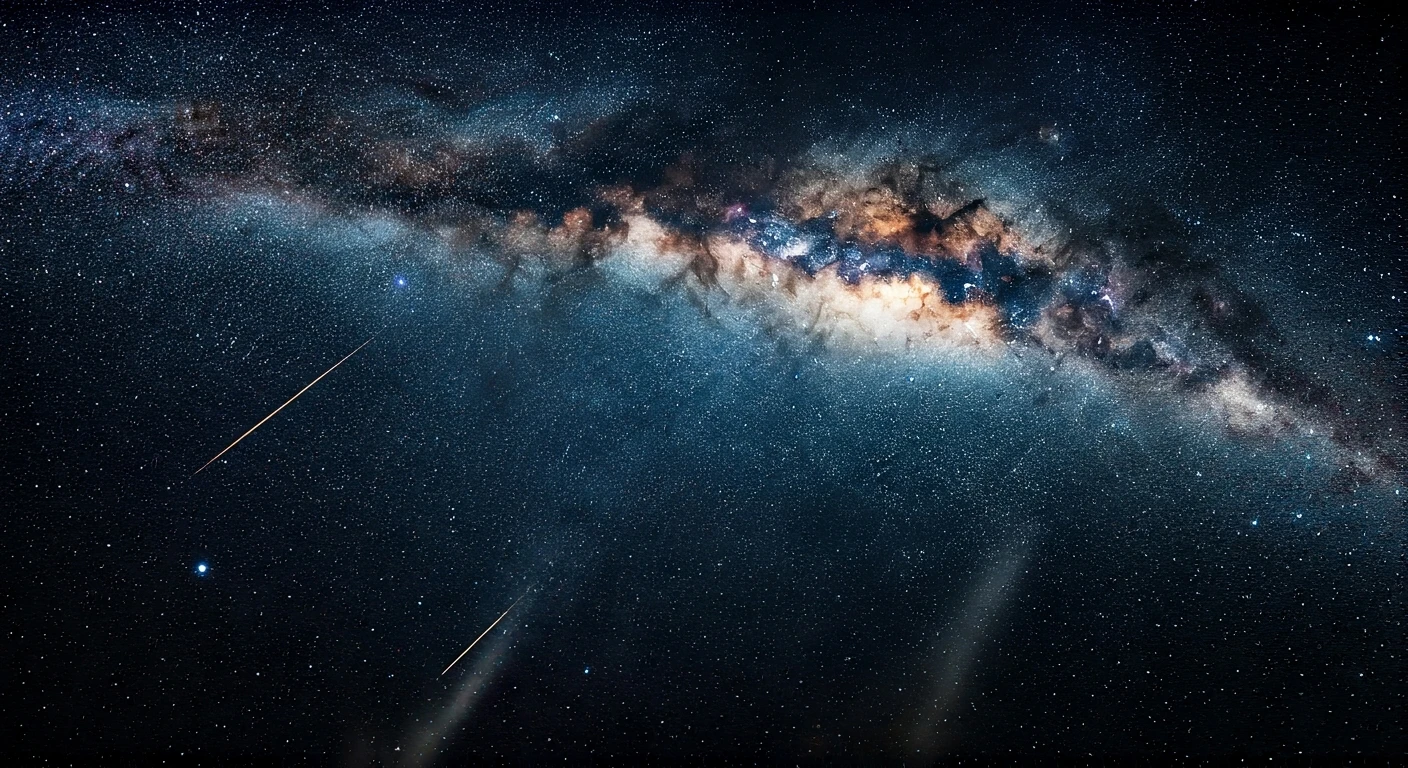
we look to the cosmos, the distances are so vast that light can take years, centuries, or even millions of years to reach us. What you see when you look at a star is not the star itself, but the light that left its surface long ago. It’s a snapshot from the past, delivered to your retina in the present. You are, in effect, looking back in time. The farther away an object is, the deeper into the past you are peering.
Measuring the Universe in Time
Astronomers use a unit called a 'light-year' to measure these immense distances. A light-year is the distance light travels in one year, which is a staggering 9.5 trillion kilometres. But this unit does double duty: it tells us not only how far away something is, but also how old its light is. A star that is 100 light-years away is, by definition, being seen as it was 100 years ago. This is where the headline’s mention of 'extragalactic'—meaning from outside our own Milky Way galaxy—and 'centuries' creates a beautiful cosmic paradox. The light from stars within our galaxy can indeed be centuries or millennia old. But for extragalactic objects, we’re talking about a journey of millions of years.
Greetings from the Mughal Era
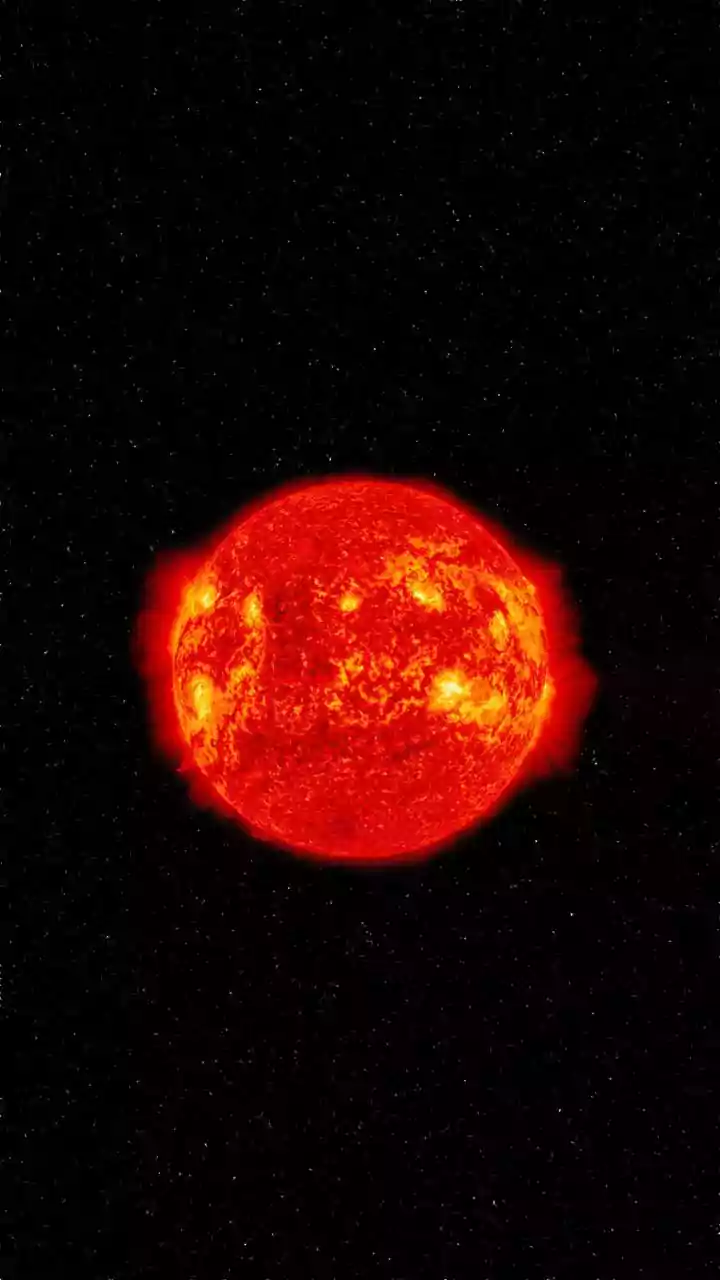
Let's make this real. Find the constellation of Orion, known to ancient Indians as 'Mriga' (The Deer). One of its brightest stars is the reddish giant Betelgeuse. This star is roughly 640 light-years from Earth. This means the light you see from it tonight began its journey around the year 1684. At that time in India, the Mughal Empire was still a dominant force, and the grand structures of Shah Jahan’s reign were just a few decades old. While astronomers on Earth were just beginning to refine their telescopes, the light that would define Betelgeuse for us in the 21st century was already on its epic voyage across the void.
Witnessing Ancient Indian History
Let’s look at another beloved celestial sight: the Pleiades, or the 'Krittika' nakshatra in Indian astronomy. This beautiful cluster of stars is approximately 440 light-years away. The light particles, or photons, striking your eye from the Pleiades tonight left their home stars around the year 1584. This was the peak of Emperor Akbar's reign, a time of profound cultural and administrative consolidation in the subcontinent. When you gaze at Krittika, you are seeing light that is older than the Taj Mahal, older than the East India Company, and as old as some of the foundational moments of modern Indian history. Every star tells a story, not just of its own life, but of Earth's history, too.
The Truly Extragalactic Leap
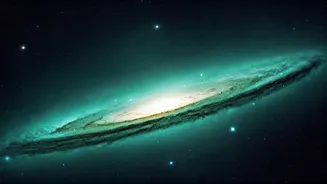
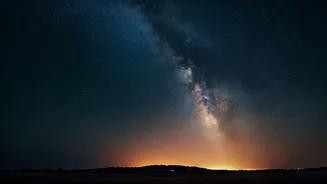
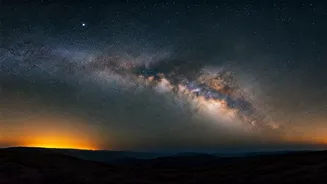
Now, for the main event: the extragalactic past. On a clear, dark night, far from city lights, you might be able to spot a faint, fuzzy patch in the sky. This is the Andromeda Galaxy, our closest major galactic neighbour. It is not a star, but a collection of a trillion stars. And it is 2.5 million light-years away. The light you are seeing from Andromeda left before modern humans, Homo sapiens, even existed. It began its journey when our early hominid ancestors were first learning to use stone tools in Africa. When you look at that faint smudge, you are seeing an object as it was 2.5 million years in the past. It is the oldest, most distant thing a human can see with the naked eye—a true ghost from a deep, primordial past.