





The 'Whole' Truth About Grains
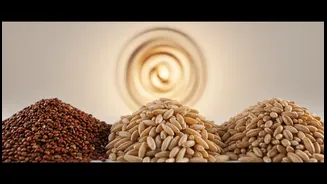
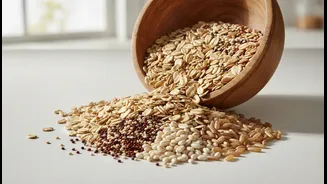
Before comparing specific grains, the most critical distinction is between whole and refined grains. A whole grain contains all three parts of the kernel: the bran, the germ, and the endosperm. The bran is rich in fibre, B vitamins, and antioxidants,
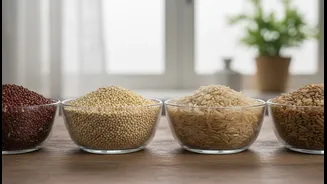
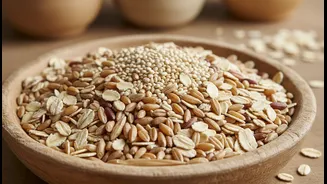
while the germ holds healthy fats, vitamins, and minerals. The endosperm is mostly starchy carbohydrate. Refined grains, like white rice and maida, are milled to remove the bran and germ. This process gives them a finer texture and a longer shelf life but strips them of most of their fibre and nutrients. While some nutrients might be added back through fortification, other beneficial compounds called phytochemicals are lost. Studies consistently show that diets rich in whole grains can lower the risk of type 2 diabetes, cardiovascular disease, and certain cancers. Choosing whole wheat over refined flour or brown rice over white is a more impactful first step than worrying about which specific whole grain is marginally better.
The Portion Size Predicament
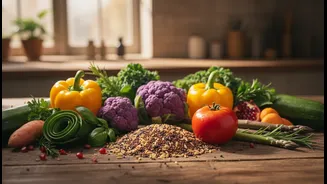
Even the healthiest whole grain can contribute to weight gain and blood sugar issues if eaten in excessive amounts. Portion control is a crucial, yet often overlooked, aspect of a balanced diet. Over the last few decades, average portion sizes have ballooned, distorting our perception of a normal amount of food. A serving size is a recommended amount, like half a cup of cooked rice, while a portion is what you actually choose to eat, which might be several servings. Consuming large portions can overload your digestive system and lead to excess calorie intake. A simple guideline for a balanced plate is to fill half with vegetables and fruits, one-quarter with lean protein, and just one-quarter with grains. Using smaller plates and bowls can also psychologically guide you toward more appropriate portions.
How Preparation Changes Everything
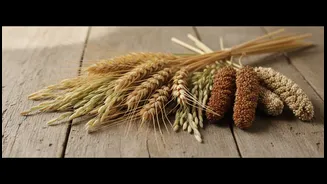
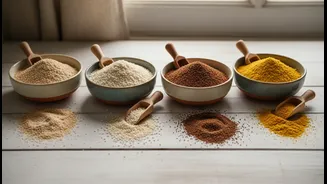
The nutritional value of a grain isn't static; it changes based on how you cook it. Simply boiling or steaming grains is the best way to retain their nutrients. Frying grains, or cooking them with excessive amounts of oil and fat, adds significant calories and can negate their health benefits. Processing also plays a huge role. While heavy refining is detrimental, some processing methods can actually enhance nutrition. For example, sprouting grains like wheat or millet can increase their fibre, folate, and antioxidant levels. Fermentation, used in making traditional sourdough bread, can make minerals more available for absorption and lead to a gentler blood sugar response compared to regular bread. Even making rotis or chapatis with whole-grain flours like jowar (sorghum) or bajra (pearl millet) is a healthier choice than using highly refined atta.
A Grain Is Only As Good As Its Company
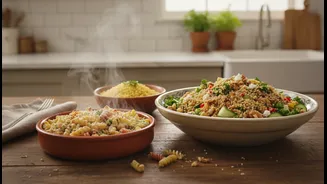
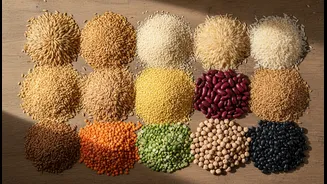
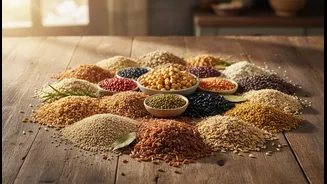
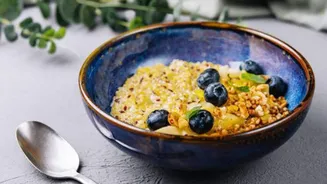
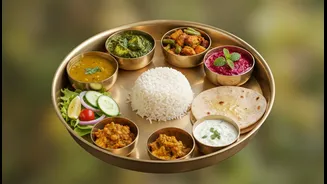
Focusing on a single 'superfood' grain is a flawed strategy. A healthy diet is about variety and overall balance. No single food can provide all the nutrients your body needs. For instance, quinoa is a complete protein, containing all nine essential amino acids, whereas millets are not. However, millets like ragi are exceptionally high in calcium. Oats are prized for their beta-glucan fibre, which is great for heart health. By eating a variety of grains, you create a more diverse and resilient nutritional portfolio. What you eat alongside your grains is just as important. A bowl of quinoa loaded with fried toppings and sugary sauces is not a healthy meal. Conversely, a simple bowl of brown rice served with ample vegetables and lentils or dal creates a balanced, nourishing meal that supports overall health.
Smart Grain Choices for the Indian Kitchen
Incorporating healthier grains into an Indian diet is easier than you might think. Millets like jowar, bajra, and ragi are traditional powerhouses of nutrition, rich in fibre, antioxidants, and minerals. They can be used to make everything from rotis and dosas to khichdi and upma. Brown rice is a straightforward substitute for white rice in pulao or biryani, offering more fibre and nutrients. Oats aren't just for porridge; they can be ground into flour for baking or added to batters. Barley (jau) is another excellent grain, high in fibre and beneficial for blood sugar control, working well in soups and stews. The key is to experiment and find what you enjoy. Swapping refined grains for whole ones, even for a few meals a week, can make a significant difference.