




The Salty Truth About Sodium
Sodium is an essential mineral that helps with nerve and muscle function, but most of us consume far more than we need. The World Health Organization (WHO) recommends that adults consume less than 2,000 mg of sodium per day, which is equivalent to about
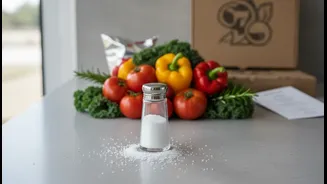
5 grams of salt. However, studies show the average Indian adult consumes around 8 to 11 grams of salt daily, nearly double the recommended limit. Over time, this excess can lead to serious health issues, including high blood pressure (hypertension), which increases the risk of heart disease and stroke. It can also strain the kidneys and contribute to other conditions like osteoporosis and stomach cancer.
The Usual Suspects in Your Pantry
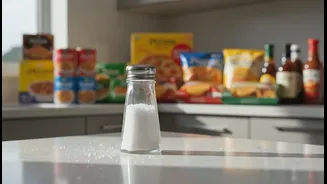
Many of the flavour-enhancing sauces we use daily are major contributors to our high sodium intake. Just one tablespoon of soy sauce can contain nearly half of the ideal daily sodium limit. Even reduced-sodium versions can be quite high. Other common culprits include ketchup, which can have over 300 mg of sodium in just two tablespoons, and jarred pasta sauces, where a single cup can sometimes exceed 1,000 mg. Salad dressings are also surprisingly high, with some 'light' or 'fat-free' versions containing even more salt than their regular counterparts to compensate for flavour. Prepared mustard, chilli sauce, and oyster sauce are other items that can quickly add hundreds of milligrams of sodium to your meal without you even noticing.
How to Become a Sodium Detective
The key to controlling your sodium intake is to become a savvy label reader at the grocery store. Look for the Nutrition Facts panel and pay close attention to two things: the serving size and the sodium amount per serving. Serving sizes can be deceptively small, and if you use more than the listed amount, you need to multiply the sodium content accordingly. A helpful guide is the Percent Daily Value (%DV). A food with 5% DV or less for sodium per serving is considered low, while one with 20% DV or more is high. When possible, choose products labelled 'low-sodium' (140 mg or less per serving), 'very low sodium' (35 mg or less), or 'sodium-free' (less than 5 mg). Comparing brands of the same product can also reveal significant differences in sodium content.
Flavour Without the Overload
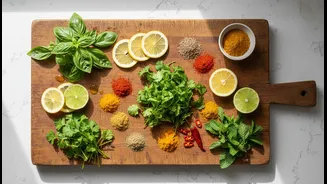
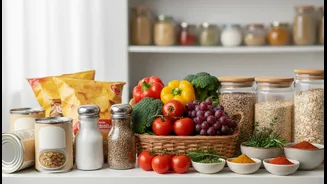
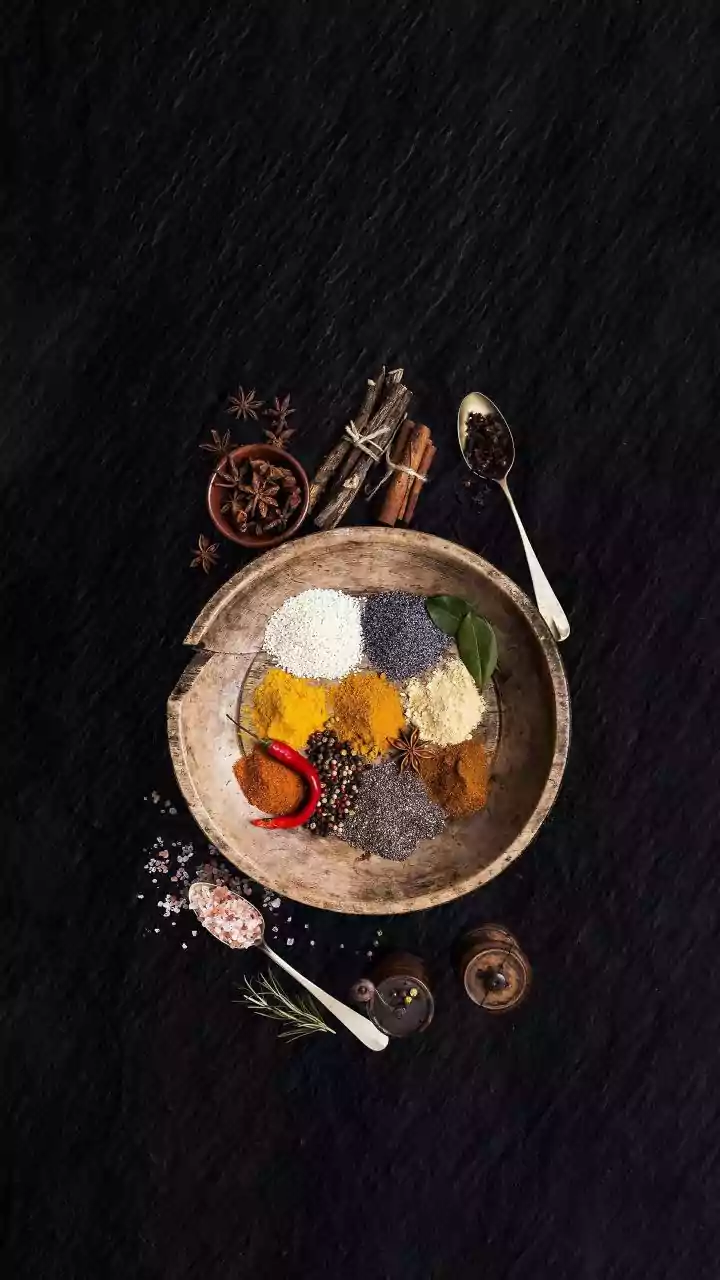
Reducing sodium doesn't mean your food has to be bland. One of the best strategies is to make your own sauces at home, giving you complete control over the ingredients. For a simple pasta sauce, use chopped tomatoes, fresh garlic, and herbs instead of a pre-made jar. For dressings and marinades, a base of vinegar and a splash of lemon or lime juice can provide a bright, tangy flavour without any salt. You can also build a pantry of flavourful, low-sodium alternatives. Herbs and spices like garlic powder, onion powder, oregano, basil, cumin, paprika, and thyme add depth and complexity to any dish. Don't be afraid to experiment with chilli flakes for heat or smoked paprika for a savoury, smoky taste. These simple swaps can dramatically cut down your sodium intake while keeping your meals delicious.