








As Navratri celebrations swept across India, a fascinating trend emerged, not in temples or community halls, but on our smartphones. Data from Swiggy shows how technology is becoming a key part of tradition, with a sweet twist.
A Nation's Sweet Tooth Gets Sweeter
The standout statistic from
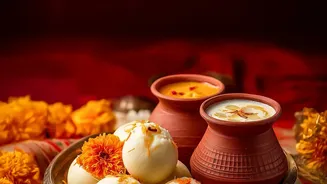
Swiggy's recent Navratri report is a significant 36.4% year-on-year increase in orders for traditional sweets between October 17 and 20. This surge highlights a growing reliance on convenience for festive needs. Topping the charts was the classic Rasgulla, which was ordered an average of 495 times every hour across India during this period. Following closely were other beloved mithais like Gulab Jamun, Kaju Katli, and Jalebi. While major metros like Delhi, Mumbai, and Gurgaon led the demand for Rasgulla, the trend was not confined to big cities. A significant rise in sweet orders was also seen in cities like Patna, Dehradun, Jodhpur, and Thiruvananthapuram, showing a widespread adoption of food delivery for festive treats. One Mumbai customer even placed a single order worth ₹9,870 for assorted sweets, including a 'Coffee Rasgulla Tiramisu'.
Fasting Feasts at the Click of a Button
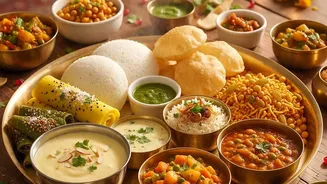
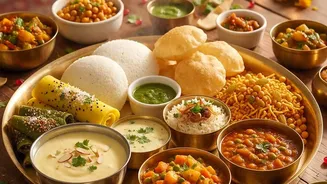
It wasn't just about indulgence; convenience for those observing the fast was a massive driver of orders. Sabudana-based dishes were the undisputed champion of vrat-friendly food. On the weekend of October 17-18, Swiggy delivered an average of 1,794 sabudana dishes every hour. Sabudana Khichdi and Sabudana Vada were the two most popular items, with Mumbai and Bengaluru leading the demand for khichdi, and cities like Pune and Jaipur also showing strong interest. Beyond individual dishes, curated 'Navratri Thalis' saw huge adoption. Thalis featuring Singhara Poori, Rajgira Poori, and Kuttu-based preparations were highly sought after, especially in Delhi, Bengaluru, Gurgaon, and Noida. This points to a clear consumer need: observing traditions without the extensive labour of preparing elaborate meals at home.
When Tradition Meets Technology
These ordering patterns reveal more than just what people are eating; they show how they are celebrating. The integration of food delivery apps into the fabric of religious festivals marks a significant cultural shift. What was once solely the domain of home kitchens and local sweet shops is now facilitated by a vast digital ecosystem. The ability to order a complete vrat thali or a box of fresh mithai with a few taps removes a significant barrier to observing festive rituals, especially for busy urban households, young professionals, and nuclear families. This trend suggests that technology is not replacing tradition but rather enabling it to adapt to modern lifestyles. One customer in Noida, for instance, placed a single order for 13 Navratri thalis worth ₹11,072, showcasing how even group fasting meals are now being outsourced to apps.
The Operational Feat Behind the Feast
Catering to this massive, time-sensitive demand is a complex operational challenge for platforms like Swiggy. It requires careful planning, from onboarding restaurants with special Navratri menus to ensuring their catalogues are clearly marked as 'vrat-friendly'. The logistics of handling a surge in orders—first for fasting items during the day and then for celebratory foods in the evening—demands a highly efficient delivery network. The platform's data indicates a successful synchronisation between restaurant partners, who prepared these specialised meals, and the delivery fleet that ensured they reached doorsteps in time. The high order volumes from both metros and smaller towns underscore the deep market penetration these platforms have achieved, making them a crucial part of the modern festive economy.