

Choose Furniture That Does Double Duty
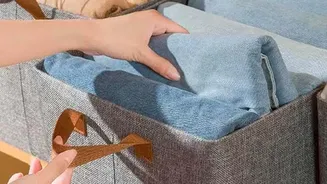
In a small room, every piece of furniture should earn its keep. Multi-functional furniture is a game-changer for urban living. Think of an ottoman that opens up to store blankets, a coffee table with a lift-top that reveals hidden compartments, or a sofa
that converts into a guest bed. These pieces provide necessary function without consuming precious floor space. Look for beds with built-in drawers underneath or a sleek wall-mounted desk that can be folded away when not in use. This strategy allows you to have all the amenities you need while keeping your space feeling open and uncluttered.
Utilise Your Vertical Space
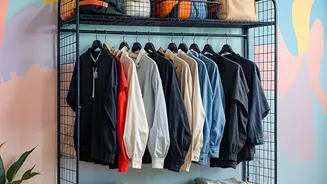
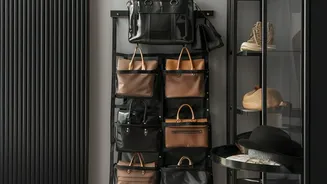
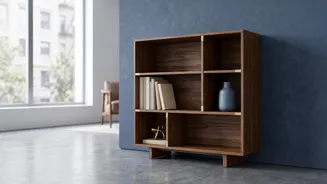
When floor space is limited, the only way to go is up. Walls are often the most underutilised asset in a small room. Installing floating shelves high on the walls can create storage for books, plants, and decor without making the room feel crowded. Tall, narrow bookcases draw the eye upward and offer significant storage without a large footprint. Consider using pegboards in the kitchen or entryway for a flexible and stylish way to hang everything from keys to pans. Using vertical space effectively frees up the floor, making the entire room feel more spacious and organized.
Embrace a Light and Neutral Palette
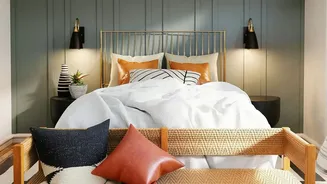
Colour has a profound impact on how large a space feels. Light and neutral colours like soft greys, creams, and whites are your best friends in a small room. These shades reflect light, creating an airy and expansive atmosphere that combats the feeling of being closed in. This doesn't mean your space has to be boring. You can introduce texture and warmth through natural materials like wood, rattan, and soft textiles in your furnishings and decor. A cohesive, light colour scheme helps to reduce visual clutter, making the space feel calm and intentionally minimalist.
Use Mirrors and Transparency to Create Depth
Strategic placement of mirrors is a classic interior design trick for a reason: it works. A large mirror placed on a wall can instantly make a room feel bigger by reflecting light and creating the illusion of depth. Placing a mirror opposite a window is particularly effective as it bounces natural light around the room. Beyond mirrors, consider furniture made from transparent materials like acrylic or glass. A 'ghost' coffee table or lucite chairs can provide full functionality while taking up almost no visual space, helping to maintain that open, uncluttered feel.
Master the Art of Regular Decluttering
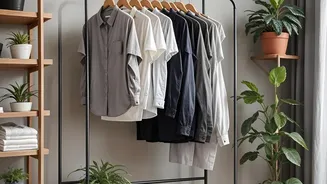
A minimalist space stays functional only with consistent effort. Clutter is the enemy of small-space living. Adopting a 'one in, one out' rule can be incredibly effective; for every new item you bring into your home, an old one must go. It is also crucial to perform regular decluttering sessions. Sort through your belongings and honestly assess what you truly need and love. Having designated 'homes' for every single item, from your keys to your remote control, ensures that things are put away, preventing mess from accumulating on surfaces. This discipline is the foundation of maintaining an organised and serene living environment.
Opt for a Slimmer Furniture Profile
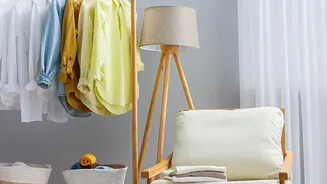
Oversized, bulky furniture can dominate a small room and make it feel cramped. Instead, choose pieces with a smaller footprint and a visually light aesthetic. Furniture with exposed legs, like a sofa or armchair raised off the ground, creates a sense of openness by allowing you to see more of the floor. This prevents the furniture from feeling like a heavy block in the room. Compact sofas, slim-profile chairs, and nesting tables are all excellent choices that provide the function you need without overwhelming the space, ensuring there is plenty of room to move and breathe freely.