




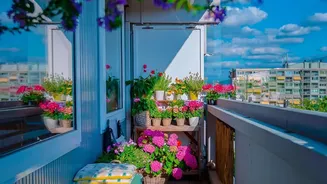
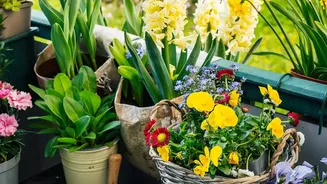
The Foundation: Pots and Soil
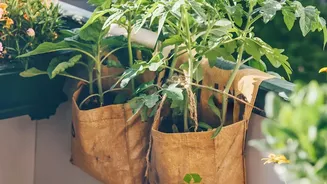
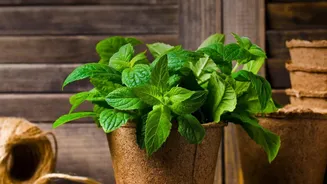
The right foundation is crucial for healthy container plants. For all three herbs, choose pots that are at least 8-10 inches deep to allow for root growth. A curry leaf plant will eventually need a much larger pot, around 12-16 inches, as it matures into
a small tree. The most important feature of any pot is drainage holes; without them, water will collect and cause root rot. Terracotta pots are an excellent choice as they are porous and allow soil to breathe. For your organic potting mix, you don’t need to use garden soil, which can be too heavy and compact. Instead, create a light, well-draining mixture by combining equal parts high-quality potting soil, cocopeat (for moisture retention), and organic compost or worm castings for nutrients. This blend provides the balance of drainage and nutrition that balcony herbs need to thrive.
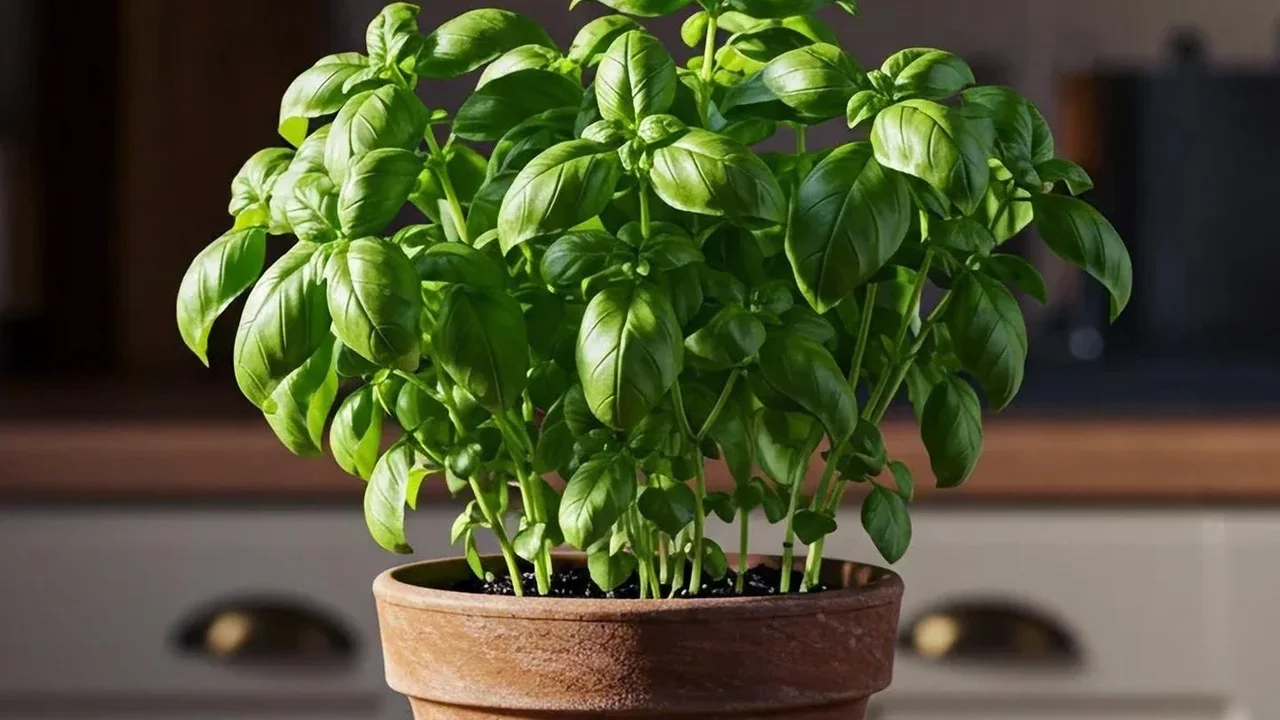
The Aromatic Star: Growing Basil (Tulsi)
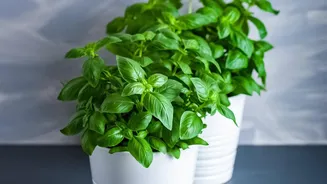
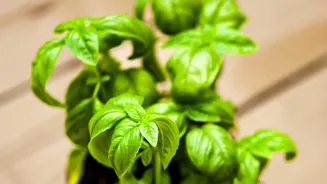
Basil, beloved in everything from Italian pesto to Indian tea, is a sun-worshipper. Find a spot on your balcony that receives at least six to eight hours of direct sunlight daily. Water your basil consistently, allowing the top inch of soil to dry out before watering again. Overwatering is a common mistake and can lead to yellowing leaves. To encourage a bushy plant full of leaves, pinch off the top set of leaves regularly, right above a leaf node. This prevents the plant from flowering, or 'bolting', which can make the leaves bitter. Basil is also a fantastic companion plant, known to repel pests like mosquitoes and flies, making it a functional and fragrant addition to your balcony seating area.
The Prolific Refresher: Growing Mint (Pudina)
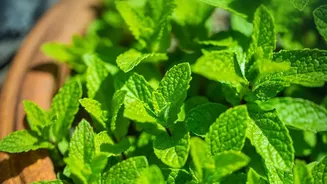
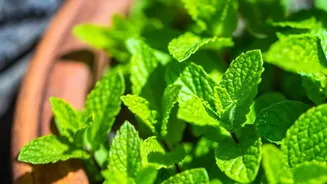
Mint is famously easy to grow, but it has a reputation for a reason: it's an invasive spreader. The number one rule for growing mint on a balcony is to give it its own pot. Never plant it in a shared container unless you want it to take over completely. Mint prefers consistently moist soil and can tolerate partial shade better than basil, making it a versatile choice for different balcony conditions. A pot that is at least 10 inches in diameter will give it room to grow. Harvest your mint by snipping stems, which will encourage it to grow back even fuller. Fresh pudina is perfect for chutneys, raitas, and refreshing summer drinks.
The Kitchen Staple: Growing Curry Leaves (Kadi Patta)
A fresh sprig of curry leaves can elevate any tadka, and growing your own is incredibly rewarding. The curry leaf plant is a tropical tree that needs plenty of sun—aim for a spot with six to eight hours of direct light. It prefers well-draining soil and should be watered moderately; wait for the top inch of soil to feel dry to the touch. During its active growing season in the spring and summer, you can feed it with a nitrogen-rich organic fertiliser, like compost tea, every four to six weeks to promote lush leaf growth. Pruning the tips will encourage a bushier, fuller plant. In colder months, the plant may go dormant and even drop some leaves, which is normal. Reduce watering during this time and protect it from frost.
Organic Pest Management
One of the best parts of growing your own herbs is keeping them free of chemical pesticides. The first step is regular observation. For common pests like aphids and spider mites, a simple spray of neem oil diluted in water with a drop of liquid soap is a highly effective organic solution. Be sure to spray the undersides of leaves as well. For slugs, crushed eggshells scattered on the soil surface can create a barrier they won't want to cross. Good air circulation around your plants will also help prevent fungal issues and discourage pests.