
What You're Looking For
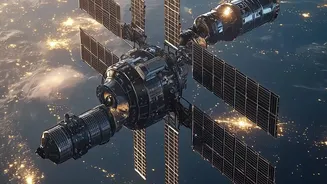
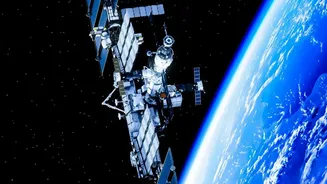
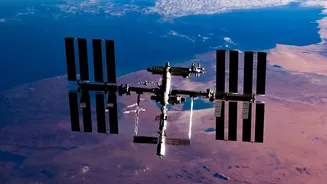
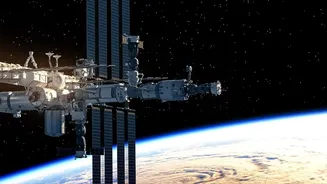
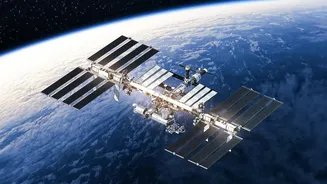
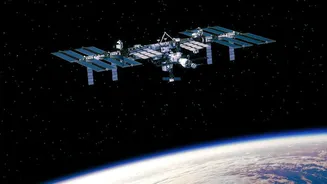
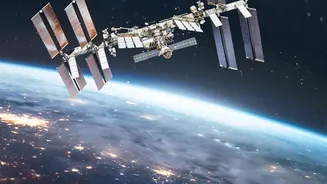
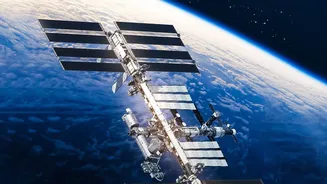
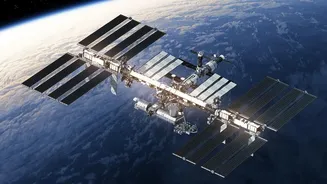
Before you start, it helps to know what to expect. A flyover of the International Space Station (ISS) doesn't look like a typical aeroplane. Instead of blinking lights, you'll see a single, steady point of brilliant white light moving silently and swiftly
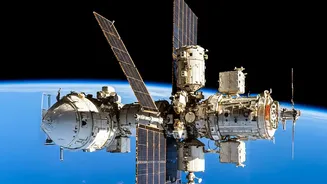
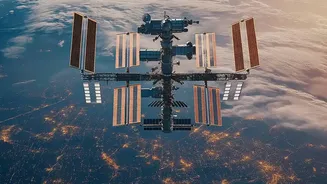
across the sky. It often appears brighter than any star or planet, sometimes outshining even Venus. The entire viewing can last from a couple of minutes to as long as six, as the station glides across the horizon. This impressive sight is simply reflected sunlight bouncing off the station's massive solar arrays and modules. The best times to see it are typically around dawn or dusk, when the sky is dark at your location but the ISS, orbiting about 400 kilometres above, is still bathed in sunlight.
Your Personal Mission Control
The secret to easily spotting the ISS is your smartphone. Modern stargazing apps use your phone's GPS and internal clock to do the hard work for you. They can predict the exact moment the space station will appear in your specific location, tell you which direction to look, how high it will be in the sky, and for how long it will be visible. Many of these apps can also send you a push notification a few minutes before a pass is about to begin, so you never miss an opportunity. This technology transforms a potentially tricky astronomical event into a simple and rewarding activity accessible to anyone, even in the middle of a city.
Top Apps for ISS Spotting
While many astronomy apps exist, a few are particularly good for tracking the ISS. The official NASA App is a great free resource, offering ISS tracking and sighting opportunities alongside a wealth of other space news and live feeds. For dedicated alerts, ISS Detector is a popular choice that focuses specifically on notifying you about passes of the ISS and other satellites. Another excellent option is Star Walk 2, which is great for beginners and provides a beautiful augmented reality (AR) view, overlaying the station's path on your camera's live view of the sky. Similarly, SkyView Lite offers a fantastic AR feature that helps you identify not just the ISS, but stars and constellations as well.
A Pre-Flight Checklist for Success
Getting started is simple and takes just a few minutes. First, download your chosen app from the iOS App Store or Google Play Store. When you open it for the first time, make sure to grant it permission to access your location; this is crucial for getting accurate sighting predictions. Next, dive into the app's settings and enable notifications for ISS passes. Most apps allow you to customise these alerts, such as choosing to be notified only for morning, evening, or high-visibility passes. Once set up, check the app for a list of upcoming flyovers for the next few days. You’ll have all the information you need for your first successful sighting.
Tips for the Perfect Sighting
To make the most of the experience, a little preparation goes a long way. Find a spot with a clear, unobstructed view of the sky, preferably away from the glare of bright city lights, although the ISS is often bright enough to be seen from urban areas. Head outside a few minutes before the scheduled pass to let your eyes adjust to the darkness. Use the app's compass or AR feature to determine where the station will appear on the horizon and where it will disappear. Remember that you don't need a telescope or binoculars; the ISS is best viewed with the naked eye due to its speed. It’s a wonderful activity to share, so consider inviting friends or family to watch with you.