





A Different Side of Goa
In recent years, a noticeable shift has been happening in Goan tourism. While the beaches remain iconic, travellers are increasingly venturing inland, seeking more authentic and sustainable experiences. This trend towards 'offbeat tourism' shines a spotlight
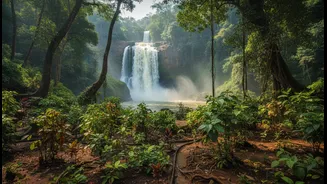
on the state's lush hinterlands, where sprawling spice farms offer a serene escape from the coastal crowds. Goa's Tourism Minister, Rohan A. Khaunte, has noted that travellers are progressively exploring the state's culture, heritage, and hinterland experiences. These plantations, some centuries old, are not just agricultural hubs but living museums of Goa's rich ecological and colonial history, revealing a side of the state that is deeply connected to nature and tradition.
An Aromatic Journey
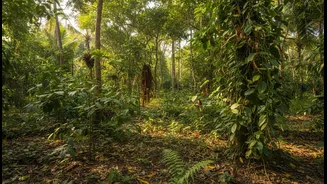
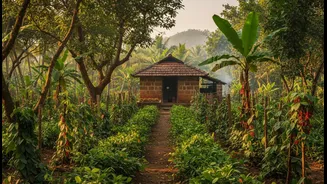
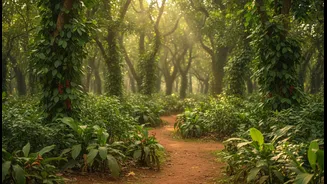
A visit to a Goan spice plantation is a multi-sensory journey. Typically, a tour begins with a welcome drink, often a refreshing herbal tea made with ingredients from the farm. A knowledgeable guide then leads you through winding pathways, pointing out spices you may have only ever seen in a jar. You'll see black pepper vines climbing tall trees, smell the sweet aroma of vanilla orchids, and discover how nutmeg, cinnamon, and cardamom grow in their natural habitat. The tour is an education in botany and history, as guides share information on the medicinal values and uses of various spices. The experience often concludes with a traditional Goan meal, a lavish buffet served on a banana leaf, featuring curries and dishes flavoured with the very spices you've just seen.
More Than Just Spices
The appeal of these estates extends beyond agriculture. Many operate on principles of organic farming and eco-tourism, contributing to the preservation of biodiversity. They function as mini-ecosystems, providing a habitat for a variety of birds, butterflies, and other wildlife, making them a delight for nature lovers. Farms like Tanshikar's are situated within the rainforests of the Western Ghats and are celebrated for their commitment to organic practices, even winning awards for their efforts. This focus on sustainability aligns with a growing global interest in experiential travel, where visitors seek meaningful connections with the local environment and community. These tranquil spaces encourage visitors to slow down, offering a peaceful atmosphere that stands in stark contrast to the high energy of Goa's more famous attractions.
Popular Spice Sanctuaries
Goa is home to several well-regarded spice plantations, primarily concentrated in the Ponda region. The Tropical Spice Plantation is known for its serene environment and rich birdlife. Sahakari Spice Farm is one of the most popular, offering a blend of cultural performances and activities alongside its informative tours. For those seeking a deeply authentic and organic experience, Tanshikar Spice Farm in Netravali is a must-visit, offering everything from guided tours to overnight stays in eco-friendly cottages, nature treks, and bird watching trips. The Savoi Plantation, a 200-year-old family-run farm, offers another authentic option for visitors. While many farms offer a fantastic experience, it's wise to choose one that aligns with your travel style, as some can feel more commercialised than others.
Know Before You Go
Planning a visit to a spice plantation is straightforward. Most farms are open year-round, though the post-monsoon period offers the greenest, most lush landscapes. The winter months are also pleasant for walking tours. Entry fees are typically modest and often include the guided tour and a full buffet lunch. Many plantations are located in and around Ponda, making them an excellent day trip from both North and South Goa. To make the most of your visit, wear comfortable walking shoes, carry insect repellent, and bring a camera to capture the vibrant greenery. Several plantations also have shops where you can purchase fresh, organic spices and other local products to take a piece of Goa's aromatic heritage home with you.