

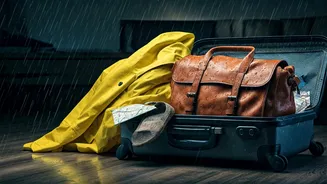


The Foundation: A Reliable Rain Jacket
Your first and most crucial line of defence is a high-quality rain jacket. Don't be fooled by labels; understand the difference between “water-resistant” and “waterproof.” Water-resistant jackets can handle a light drizzle for a short time but will eventually
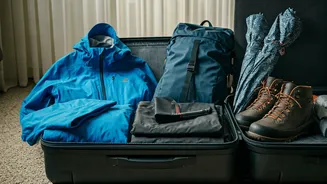
soak through in a proper downpour. For serious rain, you need a waterproof jacket. Look for features like taped or sealed seams, which prevent water from seeping through the stitching. Breathability is another key factor. A jacket made from materials like Gore-Tex or similar proprietary fabrics will allow sweat and moisture to escape from the inside, keeping you from feeling clammy and damp even as it blocks rain from the outside. A good hood with an adjustable drawstring is non-negotiable to protect your face and head.
Mastering the Art of Layering
When it's both wet and chilly, layering is your best strategy for staying comfortable. The golden rule? Avoid cotton. Cotton absorbs a tremendous amount of water and takes a very long time to dry, leaving you cold and miserable. Instead, build your outfit with strategic layers. Start with a base layer made from a moisture-wicking material like merino wool or a synthetic blend (polyester, nylon). This pulls sweat away from your skin. Next, add a mid-layer for insulation, such as a fleece jacket or a lightweight down-filled vest. This traps body heat. Your waterproof jacket goes on top as the final shell, protecting you from the wind and rain. This system allows you to add or remove layers easily as the temperature or your activity level changes.
Your Feet Will Thank You: Waterproof Footwear
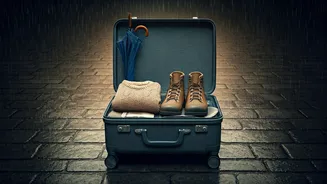
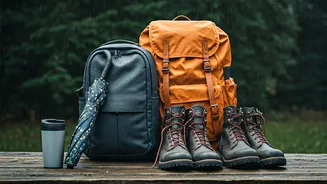
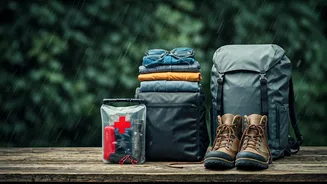
Soggy feet can quickly ruin a day of exploration. Investing in a pair of waterproof shoes or boots is one of the smartest travel decisions you can make for a rainy destination. Look for hiking shoes or casual boots that explicitly state they are waterproof, not just water-resistant. Again, materials like Gore-Tex are a common feature in high-quality waterproof footwear. If you don't want to invest in new shoes, consider a pair of waterproof shoe covers. These are lightweight, packable covers that slip over your existing sneakers, providing an excellent temporary barrier against puddles and rain. Whatever you choose, always pack extra pairs of moisture-wicking socks, preferably made from wool or synthetics. Having a dry pair to change into is a small luxury that feels like a lifesaver.
Choose Your Bottoms Wisely
Just like with your tops, the material of your trousers matters immensely. This is where many travellers make a critical mistake: packing only jeans. Denim is essentially a sponge; once wet, it becomes heavy, cold, and takes forever to dry in a humid hotel room. A far better choice is trousers made from quick-drying synthetic materials like nylon or polyester. Many outdoor and travel brands offer stylish and comfortable travel pants that repel light moisture and dry incredibly fast when they do get wet. These are lightweight, packable, and far more practical for a wet climate. For women, leggings made from synthetic blends can also be a good option when worn under a rain jacket that covers the thighs.
Protecting Your Gear and Gadgets
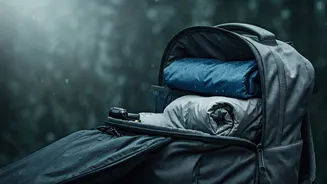
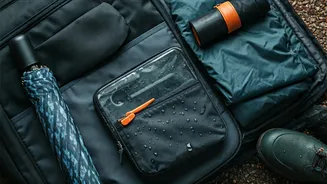
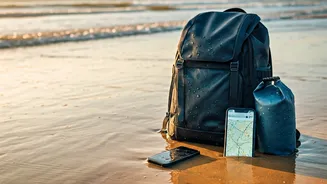
Your clothing isn't the only thing that needs protection from the rain. Your expensive electronics—phone, camera, power bank—are vulnerable to water damage. The easiest solution is to pack a few dry sacks. These are lightweight, waterproof bags with a roll-top closure that create an airtight seal. You can toss your electronics, passport, and wallet into one and place it inside your main backpack for total peace of mind. For your phone, a simple waterproof pouch with a lanyard is invaluable, allowing you to use your screen for navigation even in a downpour. A waterproof backpack or a rain cover for your existing backpack is also a wise investment, ensuring everything inside stays bone-dry.
The Small Things That Make a Big Difference
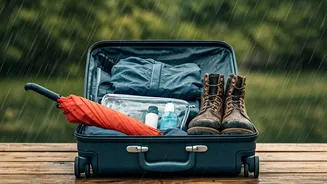
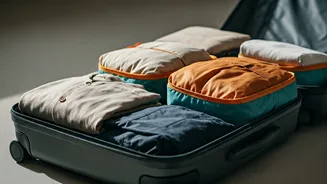
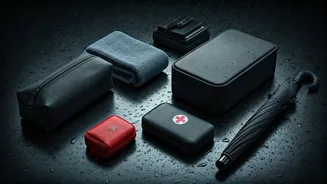
Beyond the big-ticket items, a few small accessories can elevate your comfort. A compact, wind-resistant travel umbrella is great for city environments and short dashes between buildings. A quick-dry microfiber travel towel packs down small and is perfect for drying off your face, hands, or gear on the go. Finally, consider bringing a few resealable plastic bags or a designated 'wet bag' to quarantine damp clothes from the dry ones in your luggage. This simple trick prevents moisture from spreading and keeps the rest of your belongings fresh and ready for the next day's adventure.