






The Secret of the Blue Mountains
Forget what you think you know about Indian tea. While Assam brings the malty punch and Darjeeling the delicate, muscatel notes, Nilgiri is the versatile, approachable sibling that has long been a blender’s secret. Grown in the southern Blue Mountains,
or Nilgiris, this tea benefits from a unique climate with two monsoons, allowing for year-round harvesting. Its high-altitude terroir gives the leaves a distinctly bright, fragrant, and aromatic quality. The resulting flavor is exceptionally smooth, with subtle fruity and floral notes, a clean finish, and a remarkable lack of bitterness. Unlike many black teas that become cloudy or astringent when chilled, Nilgiri tea remains brilliantly clear and mellow, making it the perfect canvas for iced and cold-brewed preparations.
A Nod to Tradition: The 'Orthodox' Method
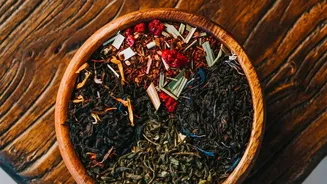
The term “orthodox” simply refers to the traditional, hands-on method of processing tea leaves. While much of the region’s output uses the industrial CTC (Crush, Tear, Curl) method for commodity tea bags, orthodox production is a craft. It involves carefully rolling and oxidizing the whole leaves to preserve their delicate structure and complex flavors. This gentle handling is key to unlocking the nuanced, aromatic character that makes Nilgiri special. While only about 20% of Nilgiri tea is produced this way, this is the segment that has captured the attention of connoisseurs. It represents a move away from mass-market blends toward an appreciation for terroir and craftsmanship, mirroring the global trend seen in coffee, wine, and spirits.
The Chill Factor: Why Cold Brew Changes Everything
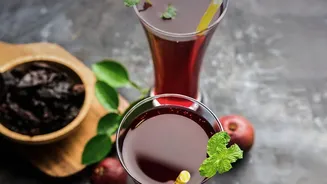
Cold brewing isn’t just about making iced tea without boiling water. The slow, gentle infusion in cold or room-temperature water over several hours extracts the tea’s chemical compounds differently. Specifically, it pulls out significantly fewer tannins—the molecules responsible for bitterness and astringency. The result is a drink that is naturally sweeter, smoother, and incredibly refreshing on the palate. This method also preserves more of the tea's delicate floral and fruity notes that can be lost with hot water. For Nilgiri tea, which is already low in bitterness, cold brewing elevates its best qualities. The naturally sweet, citrusy notes become more pronounced, creating a sophisticated beverage that requires no sugar to be enjoyable. Furthermore, cold brewing extracts less caffeine, offering a gentler lift.
A New Chapter in Indian Craft Beverages
So why is this specific combination resonating now? India is in the midst of a craft beverage revolution. Driven by a rising urban middle class and wellness-conscious millennials, consumers are increasingly seeking out premium, authentic, and unique experiences. This trend has fueled the explosive growth of craft beer and spirits, and now it's reaching the non-alcoholic space. Cold-brewed Nilgiri orthodox tea fits perfectly into this movement. It’s a homegrown product with a strong sense of place. It’s artisanal, aligning with the desire for quality over quantity. And it’s a healthier, zero-calorie alternative to sugary sodas and juices, served with the same level of craft as a fancy cocktail. As cafes and restaurants look to offer more sophisticated non-alcoholic options, this elegant, flavorful, and incredibly versatile tea is providing a compelling answer.