







More Than Just a Shopping Cart
For years, the convenience of e-commerce threatened the existence of the bustling local bazaar. A few clicks could deliver festive lights, new clothes, and gifts to your doorstep, stripping away the need to brave traffic and crowds. But a fascinating
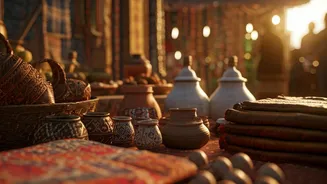
counter-trend is emerging. Across India, local markets and festive melas are fighting back not by competing on price, but by transforming the very act of shopping. They are selling something online retailers cannot: an experience. This shift is a direct response to a growing desire for authenticity, community, and sensory engagement in an increasingly digital world. Shoppers are discovering that the joy of a festival isn't just in the final purchase, but in the journey—the conversations, the discoveries, and the shared moments of celebration.
The Anatomy of an Experience
So, what does this ‘experience’ look like? It’s a multi-sensory affair designed to make a market a destination in itself. Instead of just rows of stalls, you’ll find curated zones. Food is a major draw, moving beyond standard chaat to include regional specialties, live cooking counters, and artisanal bakers. Live music, from local indie bands to traditional folk performers, provides a festive soundtrack. Artisan demonstrations are another key element. Watching a weaver at a loom, a potter shaping clay, or a block-printer at work connects shoppers directly to the craft and the story behind the product. Many markets now also include interactive workshops where visitors can try their hand at pottery, painting, or even jewellery making. Add to this the Instagram-worthy décor—canopies of fairy lights, colourful rangoli, and creative installations—and the market becomes a place to create memories, not just tick items off a list.
A Lifeline for Local Artisans
This evolution is more than just a clever marketing strategy; it’s a crucial lifeline for India’s artisans and small-scale creators. By turning markets into cultural events, organisers attract a different kind of visitor—one who is willing to spend time, engage with vendors, and appreciate the value of handcrafted goods. This model allows artisans to move beyond being just suppliers and become storytellers. When a customer sees the effort and skill that goes into a hand-woven shawl or a piece of painted pottery, they are more likely to understand its price and value. It fosters a direct connection that is impossible to replicate online. This shift helps preserve traditional crafts by making them economically viable and relevant to a new generation of consumers who crave authenticity over mass-produced uniformity.
Making the Most of Your Market Trip
To truly embrace this trend, visitors should approach a festive market with a new mindset. Go with an open schedule and a curious mind rather than a rigid shopping list. The goal is to explore, not just to acquire. Take the time to talk to the vendors and artisans. Ask them about their craft, their hometown, and the stories behind their products. Don’t be afraid to sample the food from a stall you’ve never tried before or to sit and listen to the musicians for a while. If there’s a workshop, consider joining in. The lopsided pot you make might not be perfect, but the experience of making it will be a far more lasting souvenir than anything you could have bought. By immersing yourself fully, you transform a simple shopping trip into a rich cultural excursion.