


The Science of Sogginess
The battle between a crispy coating and a delicious sauce is a matter of pure physics. Crispiness exists because frying removes moisture from the surface of food, creating a dry, porous, and brittle structure. Think of it as a delicate, crunchy shell.
When a water-based sauce is introduced, a process called moisture migration begins. The liquid from the sauce, being in a high concentration, naturally wants to move to the dry, low-concentration area—your crispy coating. As the crust absorbs this moisture, its rigid structure collapses, turning it from crunchy to soft and, eventually, soggy. Trapped steam is another culprit. If you cover a hot, freshly fried item, the steam condenses into water and rains down, ruining the texture. Similarly, adding sauce to a very hot food item can create a burst of steam that quickly softens the coating.
What is the Crisp Window?
The "crisp window" is the crucial, often brief, period between the moment your food is perfectly cooked and the moment it loses its desirable texture. The length of this window is determined by several factors: the thickness and type of your coating, the temperature of the food and the sauce, and the composition of the sauce itself. A thicker, more robust crust, like one achieved through double-frying, will naturally have a longer crisp window. This technique, popular for everything from Korean fried chicken to perfect French fries, works by cooking the food once at a lower temperature to cook the inside and then a second time at a higher temperature to create a harder, drier exterior shell that is more resistant to moisture.
Not All Sauces Are Created Equal
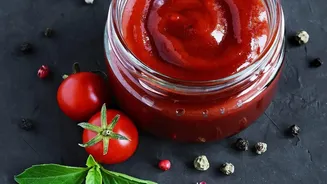
The enemy of crunch is water. Therefore, the thinner and more water-based your sauce, the faster it will make your food soggy. A classic Buffalo-style wing sauce, which is often thin and vinegar-based, will soak into a crispy coating much faster than a thicker, stickier sauce. Thicker sauces, such as many barbecue or sweet-and-sour glazes, can be slightly better at clinging to the surface rather than immediately soaking in. Sauces with a higher fat content, like a butter-based or oil-based sauce, can also offer some protection, as the fat can form a temporary barrier against the water components. However, timing remains the most critical factor, regardless of sauce type.
How to Win the War on Sogginess
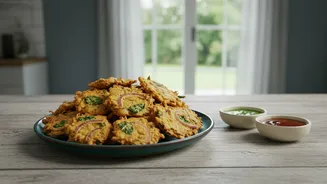
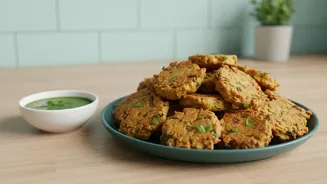
Keeping your crispy dishes crunchy even after saucing isn't impossible; it just requires strategy. The most effective tactic is to minimise the contact time between the sauce and the surface. Apply the sauce at the absolute last second before serving. For dishes like pakoras or bhajis, serving the chutney or sauce on the side for dipping is the simplest and most effective solution. For dishes that must be coated, like Gobi Manchurian or Chilli Paneer, ensure your sauce is slightly thickened. A thicker sauce has less free-flowing water to immediately soak the coating. Another pro tip is to warm the sauce gently before tossing. Adding a cold sauce to hot food can cause condensation and soften the crust.
Smart Coating and Tossing Techniques
Your defence against sogginess begins with the coating itself. Incorporating cornstarch or rice flour into your batter or dredge can create a crispier, more durable crust that absorbs less oil and moisture. Once cooked, let the fried items cool for a few minutes on a wire rack. This allows excess steam to escape before the saucing process begins. When it's time to combine, don't drown the food. Use a large bowl to gently toss the crispy items with just enough sauce to coat them lightly. This ensures an even layer of flavour without waterlogging the crust. The goal is to have the sauce cling to the exterior, not penetrate it.