





What Exactly Are Ultra-Processed Foods?
The term 'ultra-processed food' comes from the NOVA classification system, which groups foods by their level of industrial processing. UPFs are at the far end of this spectrum. They aren't just modified foods; they are industrial formulations made from substances
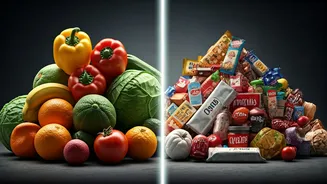
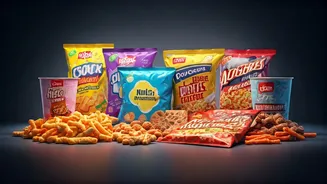
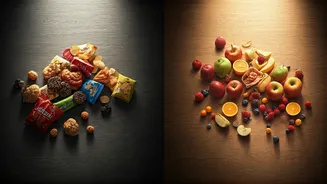
extracted from foods (like fats, starches, and sugars) or synthesized in labs. Think of it this way: a whole apple is unprocessed. Apple sauce with sugar is processed. But a fruit-flavoured gummy snack made with high-fructose corn syrup, modified starches, colours, and flavour enhancers is ultra-processed. These products typically contain five or more ingredients, many of which you wouldn't find in a home kitchen, such as emulsifiers, thickeners, and artificial flavours. Their primary goal is to be hyper-palatable, convenient, and highly profitable, with a long shelf life.
Why the Sudden and Serious Concern?
The growing seriousness around UPFs is backed by a large body of scientific research linking them to negative health outcomes. Major studies have found strong associations between high consumption of UPFs and an increased risk of heart disease, type 2 diabetes, obesity, and even early death. A comprehensive 2024 review in the British Medical Journal linked UPFs to 32 different health problems. One reason for this is that UPFs are often high in added sugar, unhealthy fats, and salt, while being low in essential nutrients like fibre and vitamins. Furthermore, their industrial formulation might affect how our bodies respond. Studies have shown people tend to eat more calories—sometimes up to 500 more per day—when consuming a diet high in UPFs compared to a whole-food diet, even when meals are matched for nutrients. They are engineered to be so appealing that they can override our body's natural fullness signals.
How to Read Labels Like a Detective
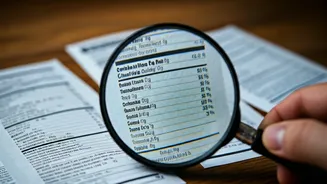
Spotting a UPF isn't always obvious from the front of the package, which might carry health claims like 'high protein' or 'wholegrain'. The secret is in the ingredients list. A practical way to identify a UPF is to look for ingredients you don't recognise or wouldn't use in your own kitchen. Be on the lookout for substances like protein isolates, hydrogenated oils, modified starches, and various syrups (glucose-fructose, high-fructose corn). The presence of additives designed to enhance flavour, colour, or texture—such as flavour enhancers, emulsifiers (like lecithin or E471), and artificial sweeteners—is another major red flag. If the ingredients list is very long and full of chemical-sounding names, it's highly likely to be a UPF.
Smarter Snacking in the UPF Era
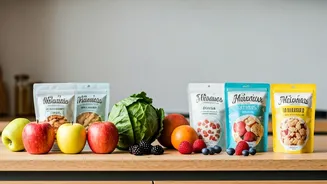
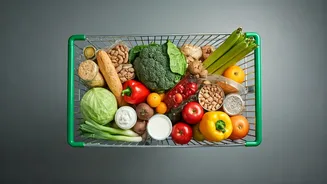
Making snack buying more serious doesn't mean eliminating all joy; it means making more informed choices. The goal is to reduce UPF consumption, not necessarily ban it entirely. Start by swapping out one or two of your regular ultra-processed snacks for less processed alternatives. Instead of flavoured chips, try plain popcorn, roasted chickpeas, or a handful of nuts. Instead of a cereal bar with a long list of ingredients, opt for plain yoghurt with fresh fruit and seeds. Many traditional Indian snacks are now being sold in ultra-processed forms, so it's important to check the labels even on familiar items. Simple, whole foods like fresh fruit, raw vegetables with hummus, hardboiled eggs, or a piece of whole-wheat toast with peanut butter are excellent choices that are minimally processed. The key is to prioritise foods that are as close to their natural state as possible.