


The Heart of Your Brew: Understanding the SCOBY
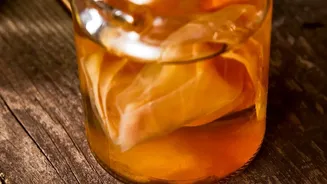
The foundation of any kombucha is the SCOBY, an acronym for Symbiotic Culture of Bacteria and Yeast. This rubbery, disc-shaped culture is what transforms sweet tea into fermented kombucha. A healthy SCOBY will be a pale tan or cream colour. Don't be alarmed
by brown, stringy bits hanging off it; these are just yeast strands and a sign of active fermentation. Similarly, whether your SCOBY floats, sinks, or hovers in the jar is perfectly normal. The main thing to watch out for is fuzzy, colourful mould, which indicates the batch is contaminated and must be discarded. You can obtain a SCOBY from a friend who brews, an online supplier, or even grow your own from a bottle of unpasteurised, store-bought kombucha.
Choosing Your Core Ingredients
Quality ingredients are essential for a healthy brew. For the tea, it's best to use pure, unflavoured varieties from the Camellia sinensis plant, such as black, green, oolong, or white tea. Organic teas are a great choice. Many brewers find that black tea, like English Breakfast, provides the most robust nutrients for the SCOBY, resulting in a strong and active culture. Avoid teas with added oils, like Earl Grey or chai, as the oils can interfere with fermentation and harm the SCOBY. For the sugar, plain white cane sugar is the standard and most reliable food for your culture. While the sugar is necessary for the fermentation process, much of it is consumed by the yeast and bacteria, so it doesn't all end up in the final drink. Artificial sweeteners should not be used, as they don't provide the necessary food for the SCOBY.
Step 1: The First Fermentation (F1)
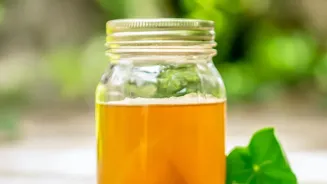
The first fermentation, or F1, is where the magic begins. Start by brewing a batch of sweet tea. A standard ratio is about one cup of sugar and eight tea bags for a one-gallon jar of water. It is crucial to let the tea cool completely to room temperature before adding your SCOBY and starter liquid (some kombucha from a previous batch). Hot tea can kill the delicate microorganisms in the culture. Pour the cooled sweet tea into a large glass jar, then gently add the SCOBY and starter liquid. Cover the jar with a breathable cloth, like cheesecloth or a clean tea towel, and secure it with a rubber band. This keeps pests out while allowing air to circulate. Place the jar in a warm, dark place, away from direct sunlight, for about 7 to 15 days. You'll notice the liquid becoming less sweet and more acidic over time as the SCOBY works.
Step 2: The Second Fermentation (F2) and Flavouring
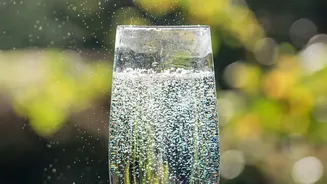
The second fermentation, or F2, is where you add carbonation and flavour. This stage is also a key opportunity to further reduce the sugar content. After the first fermentation is complete, remove the SCOBY along with about two cups of the liquid to use as a starter for your next batch. Pour the remaining kombucha into airtight, pressure-safe glass bottles, such as flip-top bottles. Now you can add your flavourings. For a low-sugar brew, opt for herbs, spices, or small amounts of fruit puree or juice. Using whole fruit or juice will add some sugar, but the residual yeast will consume a portion of it during F2, creating carbonation. Seal the bottles and leave them at room temperature for another two to seven days. The length of F2 will depend on the temperature and the amount of sugar you added.
Expert Tips for a Low-Sugar Finish
Achieving a truly low-sugar kombucha is all about managing the fermentation process. The single most effective method is to extend the fermentation time in both F1 and F2. The longer the kombucha ferments, the more sugar the culture consumes, resulting in a tarter, more vinegary flavour. You can taste your brew every day or two to find the perfect balance for your palate. Fermenting at a slightly warmer temperature can also speed up the sugar consumption process. When flavouring in F2, be mindful of your additions. Instead of high-sugar fruits, try flavouring with ginger, fresh herbs like mint or rosemary, or citrus peel. If you do use fruit, use it sparingly. Once your second fermentation is complete and the kombucha is fizzy, move the bottles to the refrigerator to stop the fermentation process and enjoy.