


The Ritual of the Raging Rivers
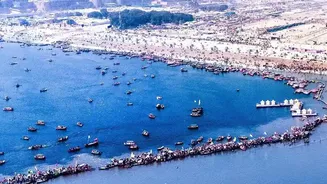
Far more than a mere race, the Aranmula Uthrittathi Vallamkali is a spectacular water ritual held on the sacred Pamba River. Taking place during the Chingam month (typically August/September), this event is an offering to Lord Krishna of the Sree Parthasarathy
Temple. Legend holds that the tradition began when snake boats from local villages rushed to protect a boat carrying offerings for a temple feast. Today, the event honours that act of unity. The unique boats, called Palliyodams, are revered as divine vessels and their design is attributed to Lord Krishna himself. Unlike purely competitive races, Aranmula focuses on tradition, with dozens of boats moving in unison to the rhythm of vanchipattu (boat songs), creating a mesmerising display of synchronicity and devotion that draws spectators from across the globe.
The Ferocious Dance of the Tigers
On the fourth day of Onam, the streets of Thrissur erupt in a riot of colour and rhythm for Pulikali, the 'Tiger Dance'. This 200-year-old folk art form sees hundreds of performers transform their bodies into living canvases, meticulously painted with the yellow and black stripes of tigers and leopards. The process is arduous, with artists spending hours applying thick layers of oil-based paint to create the striking designs. Accompanied by the powerful beats of percussion instruments like the chenda and thakil, these 'tigers' dance through the Swaraj Ground, mimicking the movements of the wild cat in a performance that is both playful and powerful. The event celebrates a theme of a tiger hunt and has become one of Kerala's most iconic and unmissable street carnivals.
The Swan Effigies of Neelamperoor
In the Alappuzha district, the Neelamperoor Padayani offers a visual spectacle unlike any other. This unique temple festival, with roots stretching back over a thousand years, is renowned for its procession of massive, intricately crafted effigies. The most stunning of these are the massive swans, or 'annamkettu', which glide through the night in a grand display. The festival is a blend of Hindu and Buddhist traditions and is held at the Palli Bhagavathy Temple. Instead of the masks seen in other Padayani performances, Neelamperoor focuses on these large-scale creations, which also include figures from mythology like Bhima and Ravana. The 16-day event culminates in a late-night procession that fills the temple grounds with a truly mystical atmosphere.
A Showcase of Faith and Community
While many September festivals are tied to Onam, Kerala's cultural calendar also includes significant Christian celebrations. In early September, the Manarcad Perunnal (St. Mary's Feast) in Kottayam draws thousands for an eight-day festival of prayer and processions. Later in the month, the Feast of Vallarpadathamma in Kochi honours the Virgin Mary at the historic Basilica, a major pilgrim centre. In October, just after the September festivities, the Koratty Muthy's Feast near Thrissur takes place, known for its unique offering of 'Poovankula' (bunches of plantains). Devotees participate in a ritual called Thulabharam, offering their body weight in these bananas. These festivals, marked by communal harmony and vibrant pageantry, highlight the diverse religious fabric of the state.