

Why Hiding is a Healthy Instinct
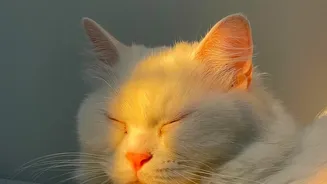
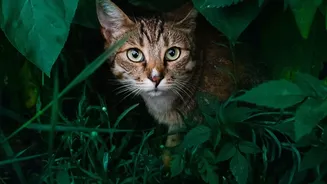
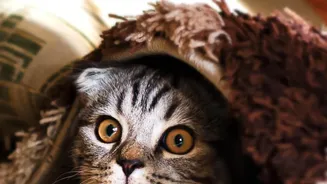
When your cat disappears under the bed or into a closet the moment the doorbell rings, it isn't a sign of being antisocial—it's a sign of a healthy, hardwired instinct. In the wild, cats are both predators and prey. This duality means they are driven
to seek out high or hidden spots where they can observe their surroundings without being seen. These private spaces give them a sense of security and control. When faced with unfamiliar sounds, new people, or general commotion, retreating to a safe spot is a cat's primary way of managing stress. Forcing interaction or blocking their escape can increase their anxiety, whereas respecting this need helps them feel secure.
Think Vertically, Not Just Horizontally
In a small apartment, floor space is a premium, but your walls and high spaces offer a world of opportunity for your cat. Cats don't measure territory in square metres; they see it in three dimensions. Creating 'vertical highways' is one of the most effective ways to enrich their environment. This can be as simple as clearing a path on top of a sturdy bookshelf or as elaborate as installing dedicated wall-mounted shelves and perches. Cat trees are a classic solution, providing multiple levels for climbing, scratching, and resting. Height gives cats a crucial advantage: a safe vantage point to survey their domain, helping them feel confident and in control, especially when the floor level gets busy with visitors or activity.
Create Safe and Cozy Hideaways
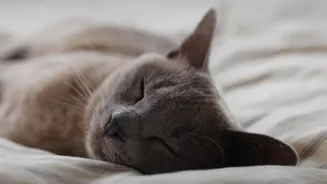
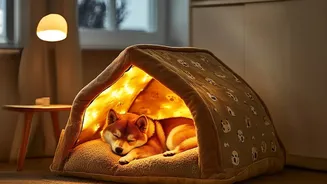
While vertical space is for observation, enclosed hideaways are for total privacy and rest. A good hiding spot is a cat's personal sanctuary. This doesn't require expensive furniture. A simple cardboard box, a covered cat bed, or a soft blanket draped over a chair can become a cherished refuge. Even leaving a closet door slightly ajar can provide an excellent escape nook. The key is that the space should be in a low-traffic area of your home, away from the main hustle and bustle. These spots are particularly important when your cat is feeling unwell or simply needs uninterrupted sleep. Having multiple options allows your cat to choose the space that feels right for them at any given moment.
Managing Guests and Household Noise
Having visitors can be a major source of stress for an apartment cat who can't simply retreat to a distant part of the house. Prepare in advance by establishing a designated 'sanctuary room,' such as a spare bedroom or office. Equip this room with their food, water, litter box, and a favourite bed. Inform your guests to let the cat set the pace for any interaction and to never follow or corner them. Simple actions like avoiding loud voices and sudden movements can make a huge difference. It's also crucial to ensure their escape routes to high perches or hiding spots are always clear. By managing the environment, you help your cat associate visitors with calm rather than chaos.
Enrichment Beyond Physical Space
A cat-friendly apartment isn't just about climbing and hiding; it's also about engaging their other senses. A window perch provides hours of visual entertainment, often called 'cat TV'. Placing a bird feeder outside a secure window can enhance this experience. Rotating their toys keeps things new and exciting, preventing boredom. Puzzle feeders, which require your cat to 'hunt' for their food, provide excellent mental stimulation. Even providing different textures for scratching, like sisal rope and cardboard, contributes to a richer sensory world that keeps an indoor cat happy and fulfilled. A stimulated cat is often a less anxious cat, better equipped to handle the occasional stress of apartment life.