



Why Sunscreen Expiration Dates Matter
Sunscreen is considered an over-the-counter drug, and its manufacturing is regulated. The U.S. Food and Drug Administration (FDA) requires that all sunscreens maintain their original strength for at least three years. For this reason, every bottle should
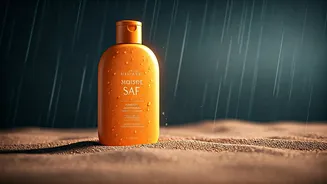
have an expiration date stamped on it. If it doesn't, you should assume it expires three years after the purchase date. The active ingredients in sunscreen, whether chemical or mineral, break down over time. This degradation process means an expired product won't provide the Sun Protection Factor (SPF) level stated on the label, leaving your skin vulnerable to sun damage.
The Risks of Using an Old Bottle
The most significant risk of using expired sunscreen is reduced protection against harmful ultraviolet (UV) rays. When the active ingredients are no longer effective, your risk of sunburn, premature aging, and even skin cancer increases. Beyond the loss of efficacy, expired sunscreens can also become a breeding ground for bacteria, especially if the container has been opened and used frequently. This can lead to skin irritation, breakouts, rashes, or even bacterial skin infections.
Chemical vs. Mineral Sunscreen Degradation
Sunscreens come in two main types: chemical and mineral. Chemical sunscreens use organic compounds like oxybenzone and avobenzone to absorb UV radiation. These molecules are inherently unstable and break down over time, a process that can be accelerated by heat and sun exposure. Mineral sunscreens use physical blockers like zinc oxide and titanium dioxide. While these minerals themselves don't expire, the lotions or creams they are mixed into can degrade, separate, or go bad, making the application uneven and the protection unreliable.
How to Tell If Your Sunscreen Has Gone Bad
The expiration date is your most reliable guide, but it's not the only one. Improper storage can cause sunscreen to go bad even before its official expiration. You should toss a bottle immediately if you notice any of these signs: a change in smell, as a foul or unusual odour can indicate bacterial growth; a change in colour, such as yellowing; or a change in texture. If the sunscreen has become watery, grainy, or separated, its ingredients are no longer properly mixed, and it won't apply evenly or provide consistent protection.
Proper Storage for Maximum Shelf Life
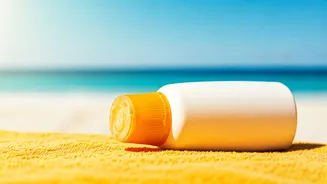
To ensure your sunscreen lasts as long as possible and remains effective, store it correctly. Heat and direct sunlight are its biggest enemies. Avoid leaving sunscreen in a hot car, in your glove compartment, or sitting out in direct sun at the beach or pool. Instead, keep it in a cool, dark place. When you are outdoors, try wrapping the bottle in a towel or placing it in a cooler to protect it from the heat. If you can't remember when you bought a bottle that has no expiration date, it's always safest to get a new one. As a rule of thumb, dermatologists suggest that if you are using sunscreen correctly—applying it generously and reapplying every two hours—a bottle shouldn't last long enough to expire anyway.