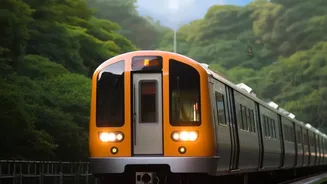







The Stress of the Last Mile
The term 'last-mile connectivity' refers to the movement of people from a major transport hub, like a railway station or bus depot, to their final destination. This final leg of the trip, whether it’s a few blocks or several kilometres, can be fraught
with challenges. You arrive in a new city, tired from your journey, only to face a chaotic scene of competing taxi drivers, confusing local bus routes, and the daunting task of navigating an unfamiliar area. This is where a smooth travel plan can fall apart, leading to frustration, wasted time, and often, higher costs.
Know Your Local Options
India offers a diverse and vibrant array of local transport options that vary from city to city. Beyond the standard taxis, there are auto-rickshaws, the three-wheeled vehicles perfect for zipping through traffic on shorter trips. In many urban areas, app-based services like Ola and Uber have become indispensable, offering bookings for both cars and auto-rickshaws. For budget-conscious travellers, local buses and, in major metros like Delhi and Mumbai, efficient metro systems provide extensive coverage. Some cities also have unique options like cycle-rickshaws for short distances or shared jeeps and tempos that run on fixed routes. A little research into the most common and convenient modes of transport at your destination can make a world of difference.
The Power of Digital Planning
Gone are the days of relying solely on luck upon arrival. A host of mobile applications can help you plan and book your local transit in advance. Ride-hailing apps like Ola and Uber are widely available in most Indian cities and allow you to book a ride as you de-board. For buses, apps like redBus and AbhiBus are popular for intercity travel but local transit apps like Chalo are also gaining traction for live tracking city buses. Many airports and major railway stations also have designated prepaid taxi counters, which offer fixed-price rides to various parts of the city, helping you avoid fare negotiations. Familiarising yourself with these digital tools before you travel can transform a moment of stress into a seamless transition.
Factor in Time and Traffic
One of the biggest mistakes travellers make is underestimating the time it takes to complete the last leg of their journey. Indian cities are notorious for their traffic congestion, and a journey that looks short on a map can take significantly longer in reality. Always build a generous buffer into your schedule. This is especially crucial if you have a connecting journey or a time-sensitive appointment. Check real-time traffic using apps like Google Maps before you book your transport. Remember to also account for the time it might take to find the right pickup point, wait for your ride, or stand in a queue at a prepaid counter.
The Rise of Integrated Mobility
The future of urban transport in India is moving towards Mobility as a Service (MaaS), an approach that integrates various forms of transport services into a single, accessible on-demand platform. Startups and city authorities are working to create apps that allow you to plan a single journey using multiple modes—for instance, taking a metro and then booking a bike-share or an auto-rickshaw for the final stretch, all through one app. While still in its early stages in many cities, this trend promises to make last-mile travel significantly more convenient and efficient for everyone. Being aware of these emerging platforms can put you ahead of the curve.
Stay Safe and Travel Smart
While navigating local transport, a few safety precautions are always wise. When taking an auto-rickshaw or taxi, try to use a metered service or agree on the fare before the ride begins to avoid disputes later. Using official apps or prepaid counters is generally safer than hailing a random vehicle on the street. Share your ride details with a friend or family member, a feature available in most ride-hailing apps. Be mindful of your belongings, especially in crowded buses or trains. A little bit of vigilance ensures your journey is not just efficient but also safe and secure.