



The Fading Charm of Crowded Coasts
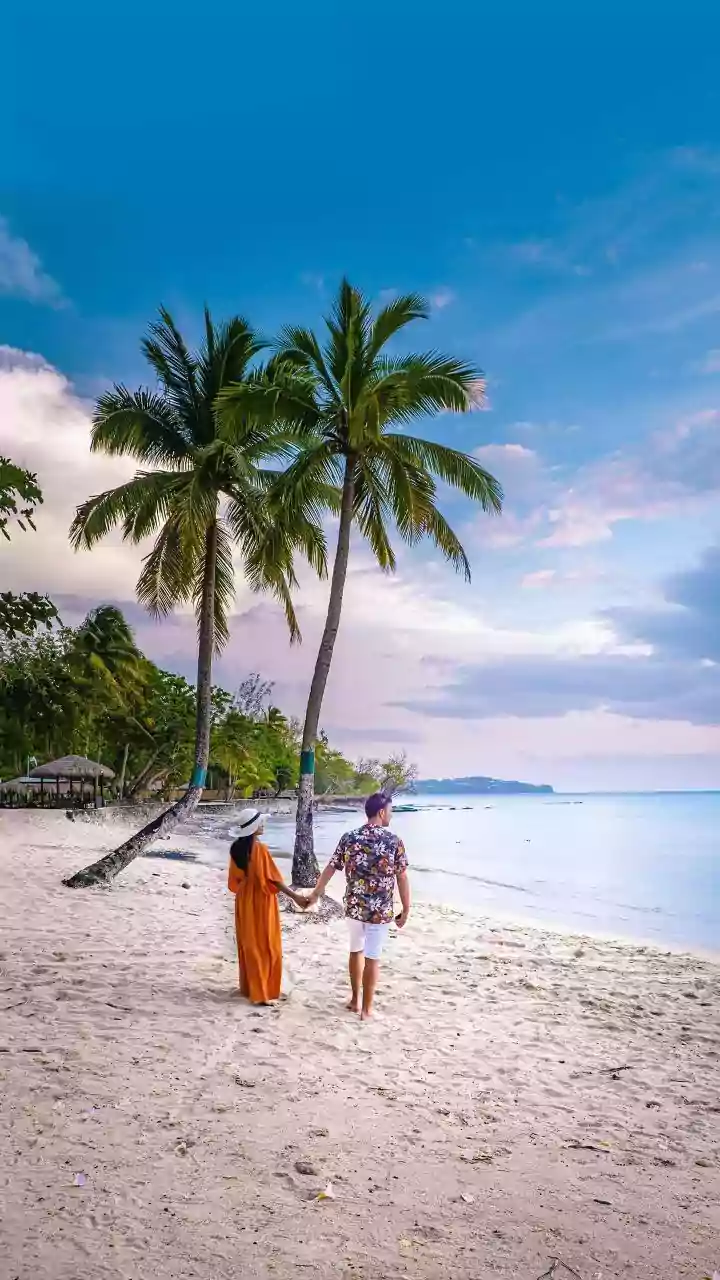
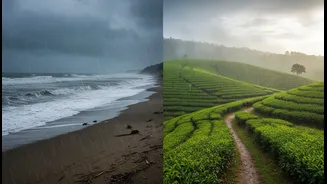
For decades, Goa's identity has been synonymous with its golden sand beaches, from the party hubs of the north to the relaxed shores of the south. This very popularity, however, has led to what many now describe as 'overtourism'. The most famous resort
strips are often plagued by overcrowding, traffic congestion, and a level of commercialization that can overshadow the natural beauty that first drew visitors. The constant hum of activity, while exciting for some, leaves others yearning for a more peaceful and authentic experience. This saturation has prompted a growing number of travellers to ask: is this all Goa has to offer?
The Rise of the Slow Traveller
Enter the slow-travel enthusiast. This is not about a rushed itinerary or checking off a list of sights. Slow travel is a philosophy that emphasizes connection over consumption. It's about immersing oneself in the local culture, environment, and community at a leisurely pace. Instead of a whirlwind tour, the goal is to experience a place deeply, fostering a genuine understanding of its people and traditions. In Goa, this translates to swapping the frantic pace of the coastal belt for the unhurried rhythm of 'susegad'—a local Konkani concept embodying a relaxed, contented way of life. This mindset is steering travellers away from the familiar and towards the state's lesser-known treasures.
A Journey into the Goan Hinterland
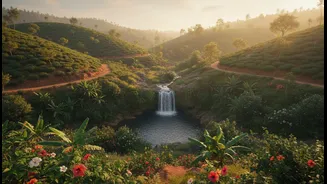
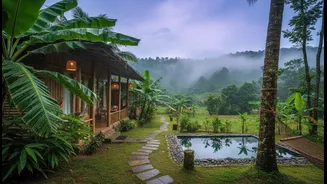
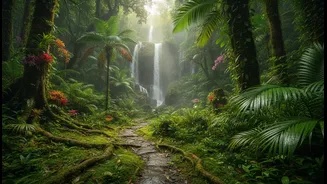
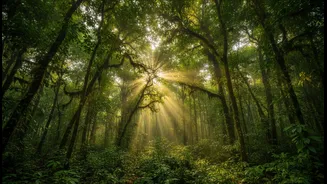
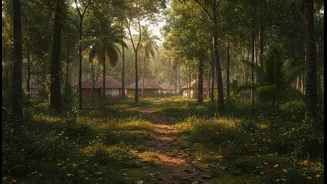
The journey inland is a transformation in itself. As you leave the coast, the landscape shifts dramatically. The flat, palm-fringed plains give way to the rolling hills and dense forests of the Western Ghats, a UNESCO World Heritage site celebrated for its rich biodiversity. The roads become quieter, flanked by traditional Goan villages and lush greenery. This is a part of Goa that remains largely outside the mainstream tourist economy. The focus here isn't on beach shacks and nightlife, but on spice plantations, ancient temples, and the quiet splendour of nature, offering a glimpse into a more traditional Goan lifestyle.
The Symphony of the Waterfalls
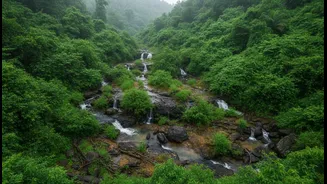
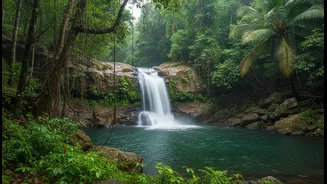
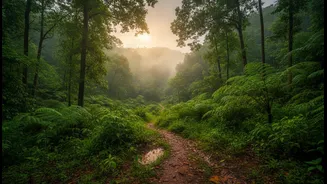
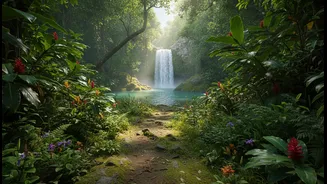
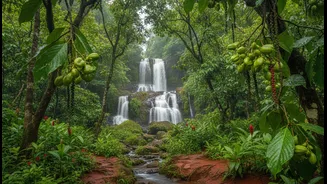
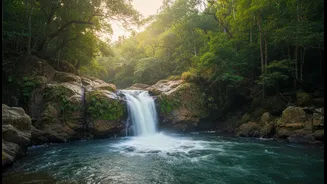
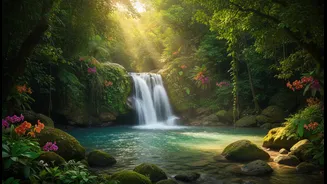
The ultimate reward for this journey is the discovery of Goa's magnificent inland waterfalls. While Dudhsagar, the majestic 'Sea of Milk', is the most famous, many smaller, more secluded cascades like Tambdi Surla, Kuskem, and Netravali offer profound tranquility. Reaching them often involves a trek through dense, verdant forests, turning the journey into an adventure. The experience is multisensory: the roar of the water, the cool mist on your skin, the chorus of birds, and the sight of water plunging into crystal-clear pools. Here, travellers find a space for quiet reflection, a refreshing swim, and a powerful connection with the natural world that feels a world away from the crowded coast.
More Than Just a Pretty View
Choosing the hinterland is about more than just escaping crowds; it's a conscious choice for a different kind of trip. It's about the physical and mental reward of a challenging trek. It’s about spiritual connection at ancient, secluded temples like the 12th-century Mahadev Temple at Tambdi Surla, which feels untouched by time. This shift also represents a more sustainable form of tourism. By visiting these areas, travellers support rural economies and local communities that have traditionally been left out of the state's tourism boom. The Goan government has also begun to recognise this, promoting hinterland tourism to create a more balanced and sustainable model for the state's primary industry.