


The Great Wardrobe Reset
There’s a quiet revolution happening in Indian wardrobes. The once-dominant heavy lehengas, stiff anarkalis, and intricately embellished sarees are making way for their lighter, airier, and significantly more comfortable counterparts. This isn't about
abandoning tradition, but reinterpreting it for modern life. The post-pandemic world has fundamentally changed our relationship with clothing, prioritizing ease and functionality. Consumers are now asking a crucial question before buying: "Will I be comfortable in this for hours?" This has led to a surge in demand for relaxed silhouettes, breathable fabrics, and versatile pieces that feel as good as they look.
Why Comfort Became King
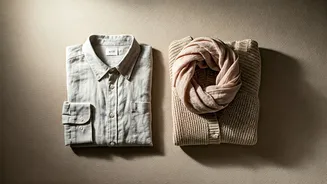
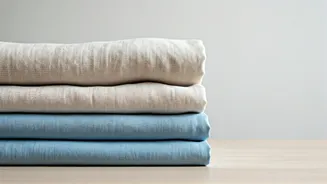
Several factors are driving this change. The pandemic-induced work-from-home culture blurred the lines between loungewear and daywear, making us accustomed to comfort. As life returned to normal, that expectation didn't disappear. Furthermore, rising temperatures and humid Indian climates make breathable fabrics like cotton, linen, and mulmul a necessity, not just a preference. Gen Z, a generation that values individuality and practicality, is also a major force behind this trend. They reject the idea of 'performance' dressing—wearing an outfit for an event only to discard it—and instead seek versatile pieces they can re-style and genuinely live in.
The New Face of Fusionwear
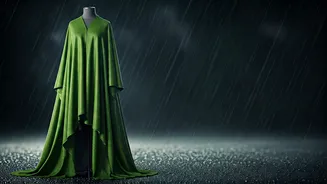
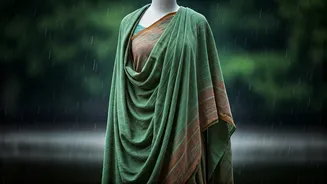
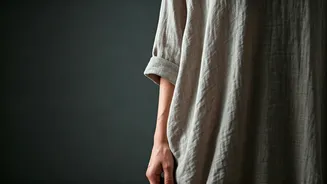
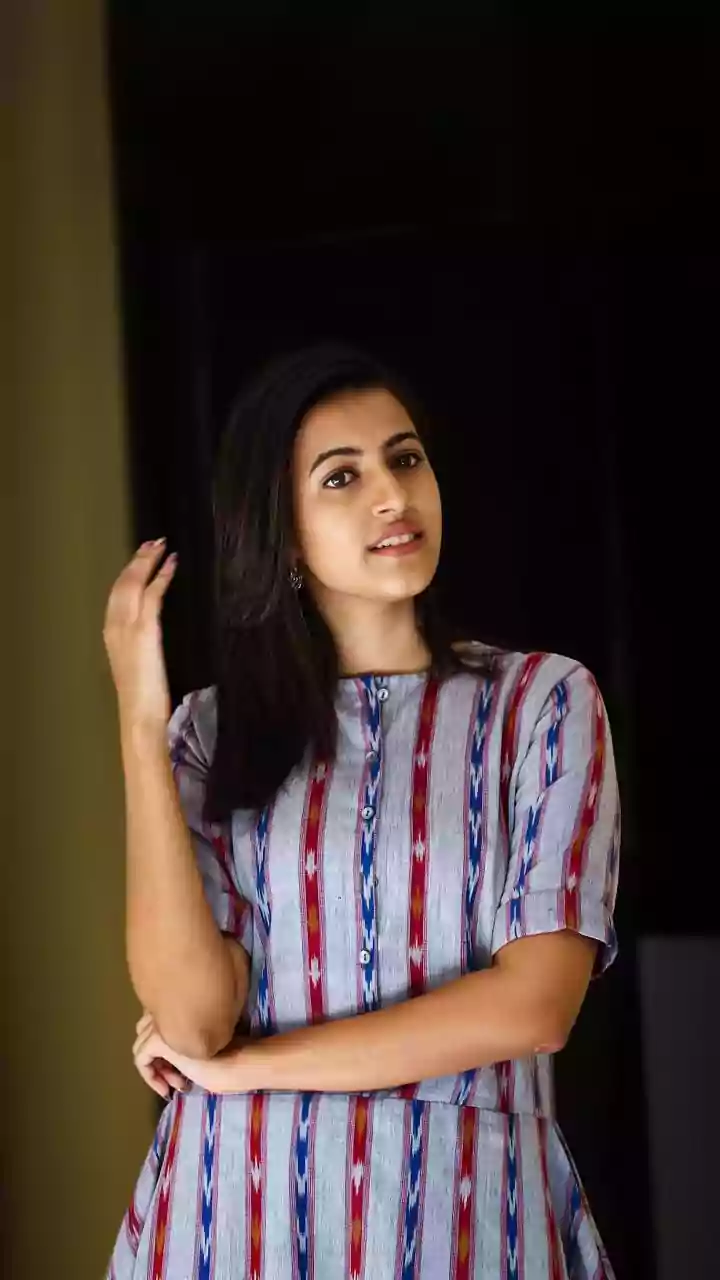
So, what does this new comfort-first fusionwear look like? Think breezy kaftan sets with minimal embroidery, lightweight linen sarees that can be draped effortlessly, and chic co-ord sets featuring traditional block prints on modern cuts. Designers are responding with modular lehengas with detachable layers and interchangeable blouses, and pre-draped sarees in fabrics like georgette and chiffon that offer elegance without the fuss. The focus is on the fabric and the cut. Materials like organic cotton, bamboo fabric, and soft silks are in the spotlight, celebrated for their natural, skin-friendly properties. The new luxury isn't about the weight of the embroidery, but the quality and feel of the fabric against the skin.
Embellishment Gets a Smart Makeover
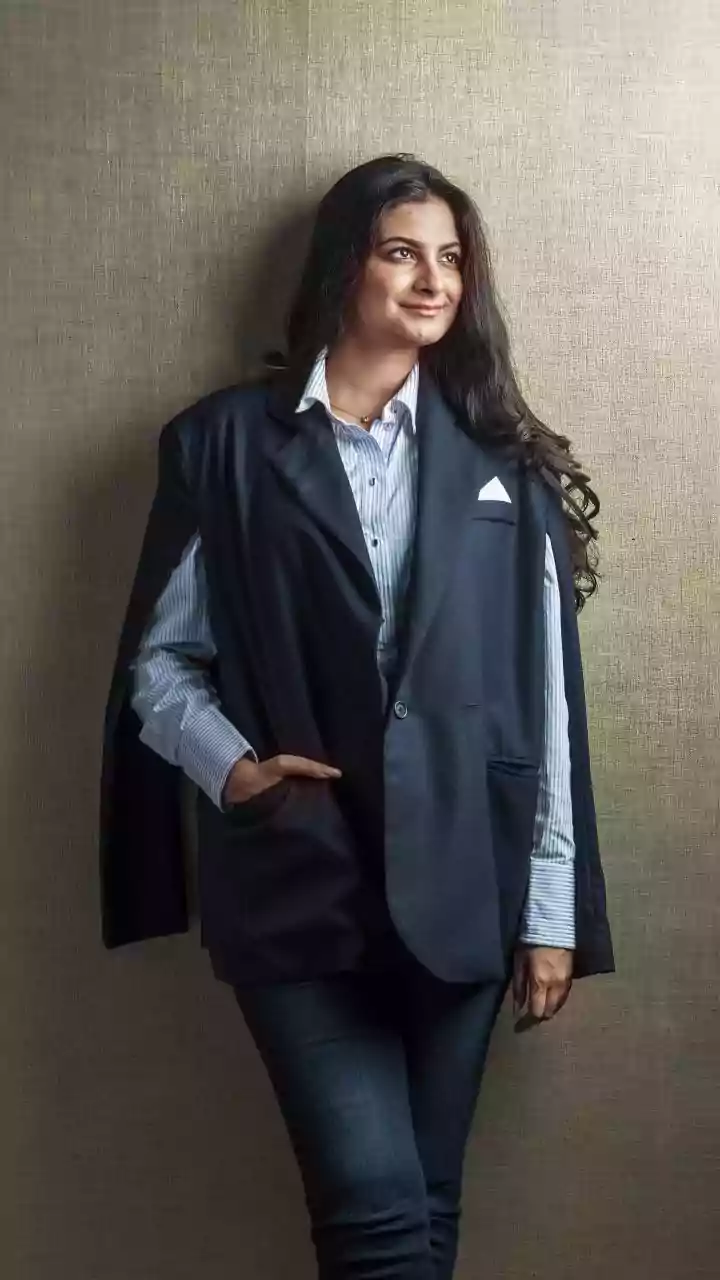
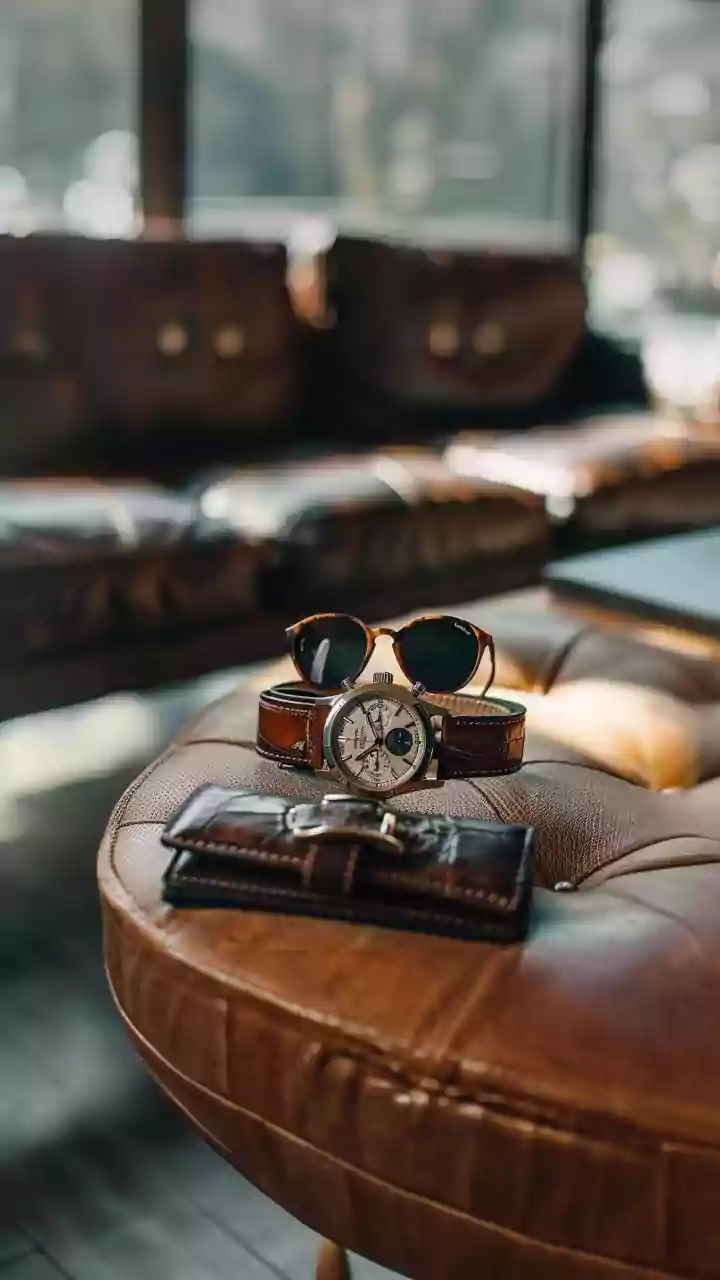
This doesn't spell the end of glamour. Embellishment isn't disappearing; it's just becoming more intentional and refined. Instead of all-over heavy work, the focus is shifting to statement details. A beautifully crafted blouse can elevate a simple saree, a striking dupatta can transform a plain suit, and a single piece of bold jewellery can make more of an impact than a full, matching set. The trend is moving away from adornment that weighs the wearer down and towards thoughtful details that enhance the garment's beauty without sacrificing mobility. It's a more sustainable approach, both for the wearer and the wardrobe, promoting pieces that are timeless and versatile.