





A Revolution in Railway Dining
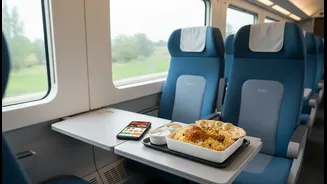
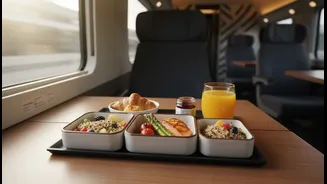
Not long ago, a long-distance train journey meant relying on pantry car meals, packed food from home, or the lottery of platform vendors. Today, thanks to the rise of e-catering services, passengers have a growing universe of culinary options at their
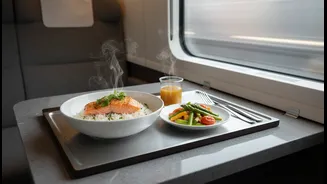
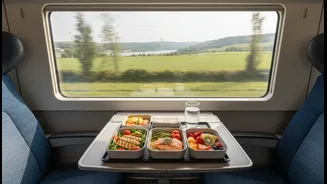
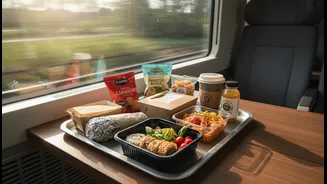
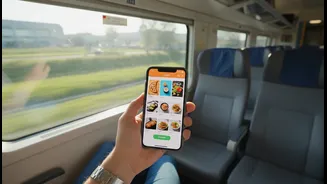
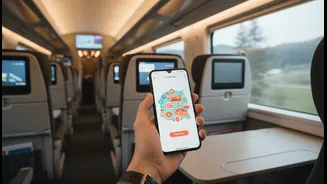
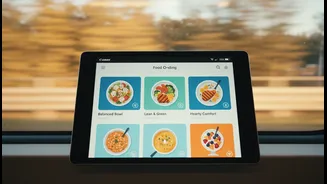
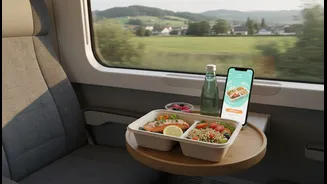
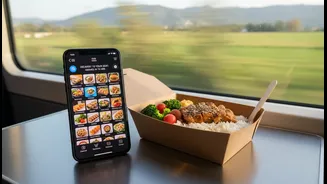
fingertips. Platforms authorised by the Indian Railway Catering and Tourism Corporation (IRCTC) and integrated services from food aggregators allow travellers to order from a wide variety of local restaurants, with meals delivered directly to their seats at designated stations. This move away from the traditional pantry car has been driven by a demand for better hygiene, quality, and variety. The numbers reflect this seismic shift. IRCTC's catering segment has shown consistent and robust growth, with revenue from operations surging in recent quarters, bolstered by increased digital adoption and service expansion. As more passengers embrace the convenience of pre-booking their meals via apps and websites using their PNR details, the volume of digital food orders has climbed steadily, making it a significant component of the modern travel experience.
Convenience, with Complications
While the ability to order a hot biryani or a fresh pizza to your berth is a clear upgrade, the system is far from seamless. The reality for many passengers is a gauntlet of potential issues: late deliveries, cold food, wrong orders, and inconsistent quality. A key challenge is the intricate logistics of timing. A slightly delayed train can throw a restaurant's preparation and delivery schedule into chaos, leading to a missed meal and a frustrated customer. Furthermore, passenger complaints often highlight a disconnect in customer service. When an order goes wrong, figuring out who is responsible—the food aggregator, the restaurant, or the railway—can be a frustrating ordeal for travellers who simply want a refund or a correct order. Recent reports in June 2026 also revealed a crackdown by IRCTC on numerous unauthorised e-catering websites that were misleading passengers, raising concerns about food safety, data privacy, and financial fraud.
The View from the Vendor's Kitchen
For the restaurants and vendors that partner with e-catering platforms, the opportunity comes with significant operational hurdles. The primary challenge is the unforgiving nature of a train’s schedule. Unlike a home delivery, where a few minutes' delay is often acceptable, a train waits for no one. This puts immense pressure on kitchens to prepare and dispatch orders within a very tight window, all while coordinating with delivery personnel who must navigate crowded platforms to find the correct coach and berth. Limited storage space on trains and logistical challenges in restocking also constrain operations. To mitigate hygiene concerns, which have historically plagued railway food, IRCTC has been deploying AI-powered camera surveillance in hundreds of its kitchens to monitor for compliance with safety standards, detecting everything from pests to improper staff attire. While this helps ensure quality at the source, the final delivery remains a complex, high-stakes race against the clock for local vendors.
The Case for Smarter Digital Planning
Improving the train food experience requires more than just a functional ordering app; it demands a truly intelligent digital ecosystem. The next frontier in digital meal planning should focus on seamless integration and predictive logistics. Imagine a system where real-time train tracking is perfectly synced with the restaurant's kitchen, automatically adjusting preparation times based on the train's actual location and expected arrival time. AI-powered tools could offer personalized meal recommendations based on a passenger's journey duration, route, and past preferences. For vendors, better digital planning could mean smarter order batching to improve efficiency and dynamic menu adjustments that automatically hide items that can't be prepared in time for a delayed train. Expanding the network to more stations, particularly smaller ones with short halts, is another crucial step. The goal should be to create a unified platform that integrates ticketing, real-time train status, and food ordering into a single, reliable experience for the passenger and a predictable, manageable one for the vendor.