



A Colossal Meltdown at the Pole
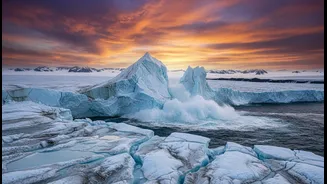
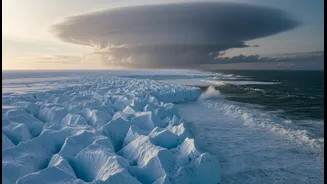
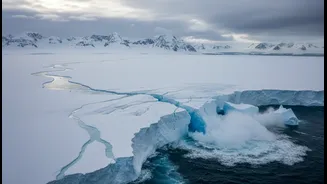
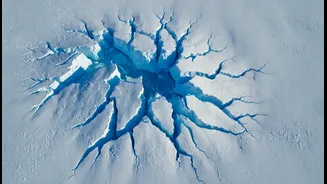
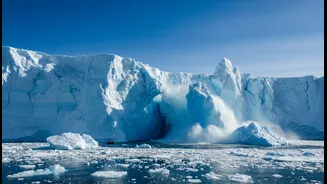
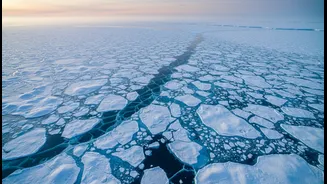
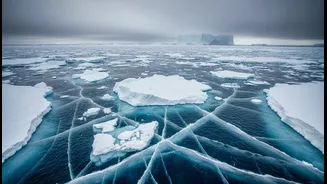
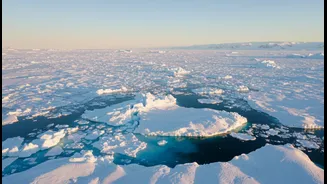
The sheer scale of Antarctica’s ice loss is difficult to comprehend. The continent is losing ice at an alarming rate, dumping billions of tonnes into the ocean annually. Much of this loss is concentrated in West Antarctica, home to the infamous Thwaites
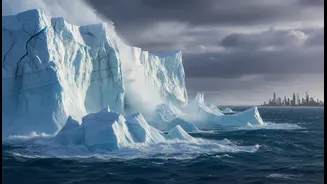
Glacier, often called the “Doomsday Glacier.” This single glacier, roughly the size of Great Britain, is retreating rapidly as warmer ocean water melts it from below. Recent scientific reports from 2026 confirm that its last major ice shelf, which acts as a natural brake, is poised to disintegrate, which could accelerate its collapse. The complete collapse of Thwaites alone could raise global sea levels by over half a metre, a prospect that has transformed it from a subject of scientific curiosity into a global concern.
The Rising Tide Reaches India’s Shores
For India, with its extensive 7,500-kilometre coastline, this is not a distant problem. The primary and most immediate threat from Antarctic melt is sea-level rise. Low-lying coastal cities, including Mumbai, Kolkata, Chennai, and Surat, are home to tens of millions of people and are critical economic hubs. Scientists warn that the collapse of the West Antarctic Ice Sheet could eventually lead to a sea-level rise of more than three metres. Even a fraction of that would have devastating consequences, leading to more frequent and intense coastal flooding, the contamination of fresh water sources with saltwater, and the permanent loss of land. Studies have already noted that cities like Mumbai are experiencing sea-level rise, making them more vulnerable to storm surges and high tides.
Unpredictable Monsoons and Weather Chaos
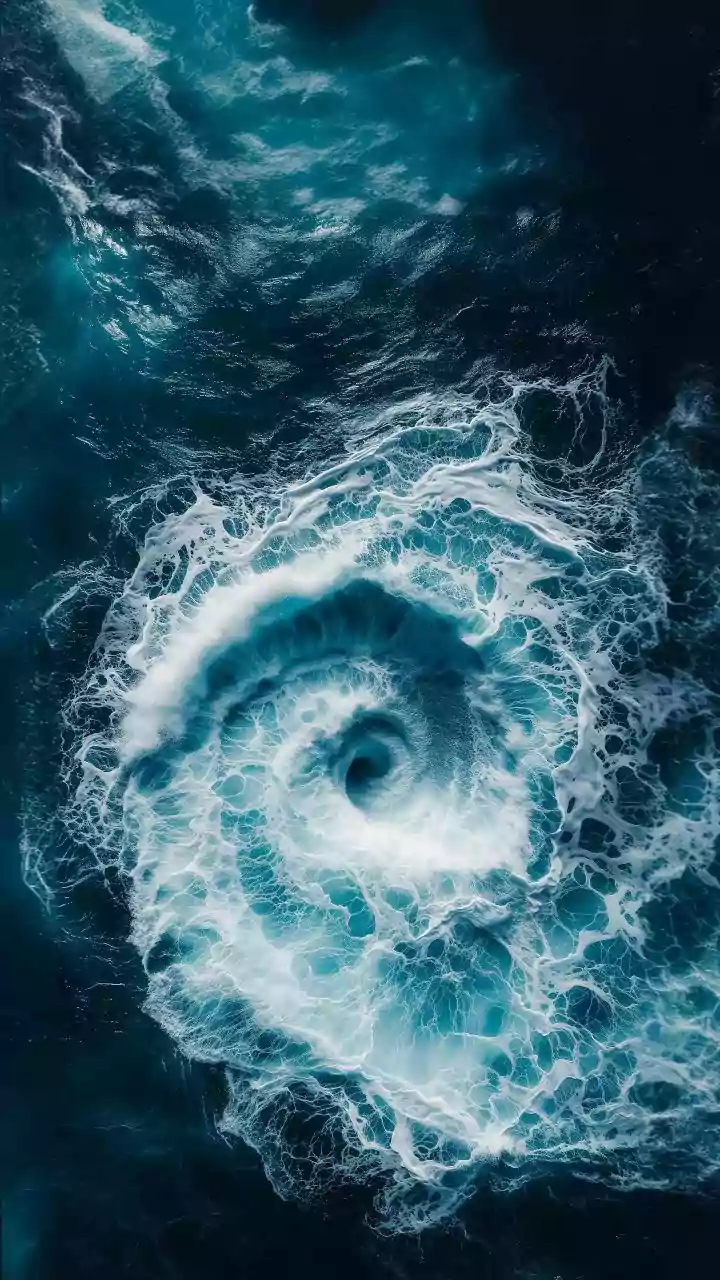
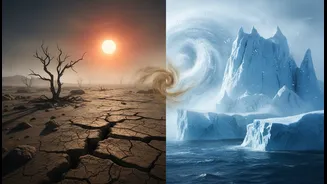
Beyond the coastlines, the melting of Antarctica threatens to disrupt weather patterns that are vital to the subcontinent. The Indian monsoon, the lifeblood of the nation's agriculture and economy, is a complex system influenced by temperature and pressure differences across the globe. Research has established a surprising connection between Antarctic ice and the monsoon. The massive influx of cold, fresh meltwater into the Southern Ocean can alter ocean currents and atmospheric circulation. Some models suggest this disruption could lead to more erratic and extreme monsoon patterns—swinging between intense rainfall and prolonged dry spells, making farming and water management increasingly difficult. What happens at the South Pole has a ripple effect that can determine whether a farmer in rural India has a successful harvest.
A Global System Out of Balance
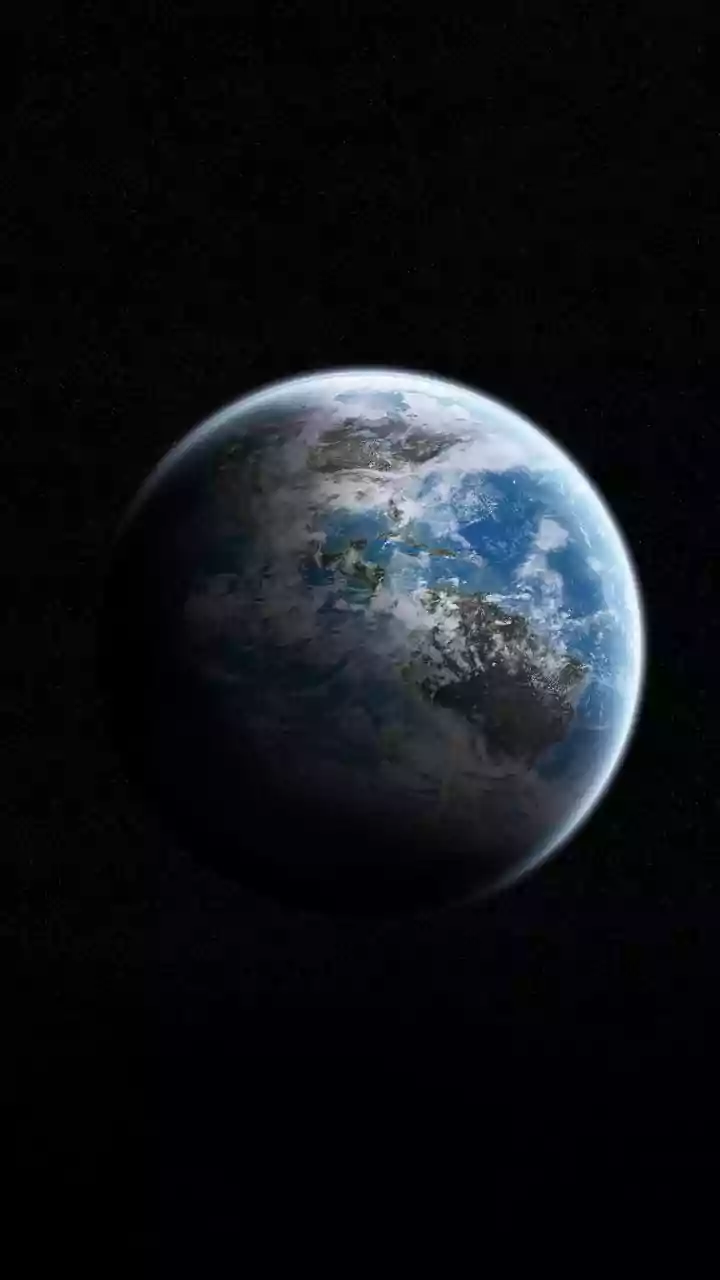
Antarctica’s importance extends beyond sea levels and weather. The vast, white ice sheet acts as the planet's refrigerator, reflecting a significant amount of solar radiation back into space and helping to regulate global temperatures. As the ice melts and is replaced by dark ocean water, more heat is absorbed, creating a dangerous feedback loop that accelerates warming. This process also affects marine ecosystems. The changes in ocean temperature and salinity threaten species like krill, which form the base of the Antarctic food web and have a ripple effect on penguins, seals, and whales. The science is clear: human activity and the resulting greenhouse gas emissions are the primary drivers of this accelerated melt. The consequences of today’s emissions will continue to be felt in Antarctica, and therefore across the world, for centuries to come.